tooth2.png

In 2012, approximately 91% of U.S. adults aged 20-64 had dental caries in permanent teeth.1 The number of children needing braces has quadrupled since the 1960’s 2, and it’s now considered a rite of passage to have wisdom teeth pulled. Why are we seeing so much dental decay and overcrowding? Is this something we merely inherit from our parents? What if there’s more to the story that simply our genetics? To find some answers, let’s first take a journey in time. 

TEETH: WINDOWS INTO OUR HEALTH

One of the first pioneers in the search for the cause of dental day was an American dentist, Dr. Weston Price. In the early 1930’s, he was intrigued to learn about the causes of dental decay and physical degeneration that he observed in his dental practice. He had heard about ingenious cultures and their pristine dental health, which peaked his interest enough to embark on a multi-year project, in search of how the foods we eat are connected to our dental health and how the health of our mouths are connected to the health of our bodies.

So he embarked on a quest. He traveled across the globe, from Africa to the Arctic to study isolated societies, collecting data and photos. Dr. Price found that, despite not even owning a toothbrush, people of isolated cultures that were still consuming their native diet had little to no incidence of decay. Additionally he found that they had straight teeth, wide dental arches, no overcrowding, and resistance to disease. However, when individuals from these cultures were exposed to more processed foods from more civilized cultures (referred to as “foods of commerce” by Dr. Price), incidence of tooth decay rose.
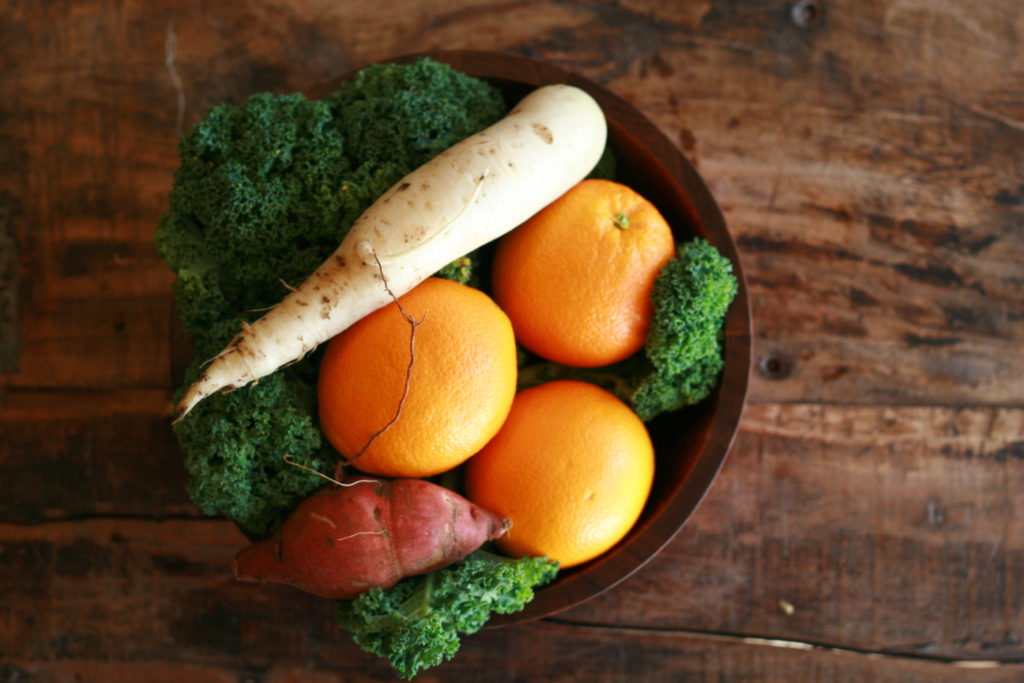
veggies22.png

Dr. Price’s findings led him to believe that “dental caries and deformed dental arches resulting in crowded, crooked teeth and unattractive appearance were merely a sign of physical degeneration, resulting from what he had suspected-nutritional deficiencies.”3 When he analyzed the diets of these various cultures, he found that they provided 4 to 10 times the amount of nutrients than those found in the Western diet at the time. While each of these cultures had different diets, Dr. Price did find some similarities between them that he attributed to the strong teeth, jaws, and overall health.

CAN OUR DIET PREVENT TOOTH DECAY?

It’s been long understood that our diet plays a huge factor in our dental health. While limiting sugar is important for overall health as well our dental health, including certain foods to our diet help create strong and healthy teeth, decreasing our risk for cavities.

Ask anyone on the street what it takes to have healthy teeth and you’ll likely hear a regurgitation of what we’ve all been told since childhood – brush and floss twice a day and schedule regular dental checkups. It’s considered the trifecta to having healthy teeth, right? But then there are certain individuals who find that they are more susceptible to dental decay despite practicing the utmost dental hygiene. Not to mention, tooth decay is one of the most common chronic diseases in America.1 So what gives?

A PEEK INSIDE THE MOUTH

Simply by looking into the mouth, dentists are able to gain insight into the overall health of their patients. Many diseases including autoimmune disease, diabetes, celiac disease, and osteoporosis can actually be first noticed in the mouth based on the condition of our gums and teeth.2 Knowing this, it makes sense that our diet has an impact on our dental health, just as much as our dental hygiene.

Our teeth are made of 96% minerals, which is actually a higher percentage than elsewhere in the body.3 Teeth are made from living cells that are constantly building, repairing, and protecting themselves. In order to take care of our teeth, we need to take care of our teeth from the inside, not just the outside. Much of the attention surrounding diet and dental health revolves around what to avoid (such as sugar and soda). However, it’s less commonly discussed which foods can build strong teeth and ward off decay. Let’s review some of the top nutrients that support oral health.

NUTRIENTS TO STRENGTHEN TEETH
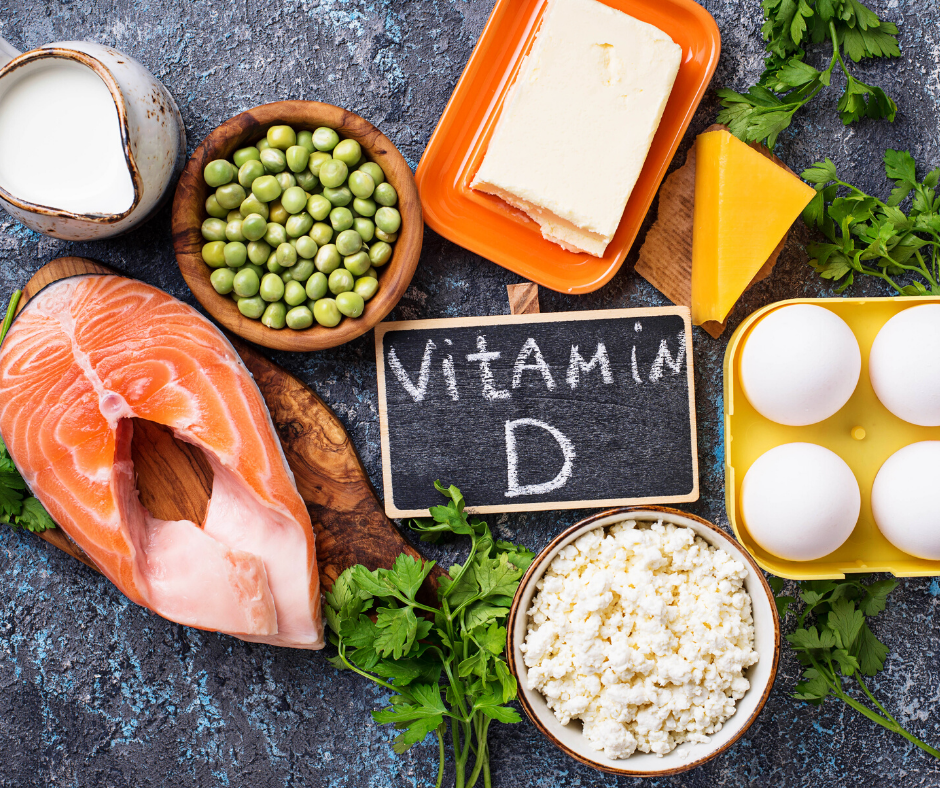
Calcium – Our enamel is made primarily of calcium and phosphorus. The bacteria on our teeth help to regulate the transfer of minerals between our saliva and tooth enamel.4 Calcium can be tricky because in order to get calcium where it’s needed (in the bones and teeth), we need to have the essential cofactors or else it can end up in the wrong places. It’s best to consume calcium from whole food forms including dairy, dark leafy greens, almonds, whole fish, and soups and broths cooked with meat on the bone.

Vitamin A – Vitamin A helps to build enamel, keep gums healthy, and aid in the healing process.5 Best sources include pastured eggs, liver, cod liver oil, shrimp, and sweet potato.

Vitamin D – Vitamin D helps build the mineral density by depositing calcium into the bone and teeth.6 Best source of vitamin D is through sunshine! Try the Dminder app to track the best times to get outdoors. Vitamin D can also be found in fatty fish, organic butter, pastured lard, cod liver oil, and pasture-raised eggs.

Vitamin K2 – Vitamin K2 is another cofactor that assists in getting calcium into the bone and teeth, slows rate of tooth loss as we age, and reduces harmful bacteria in the mouth.7 Best sources include fermented foods (find sources listed below), organ meats, pastured eggs, and organic butter.
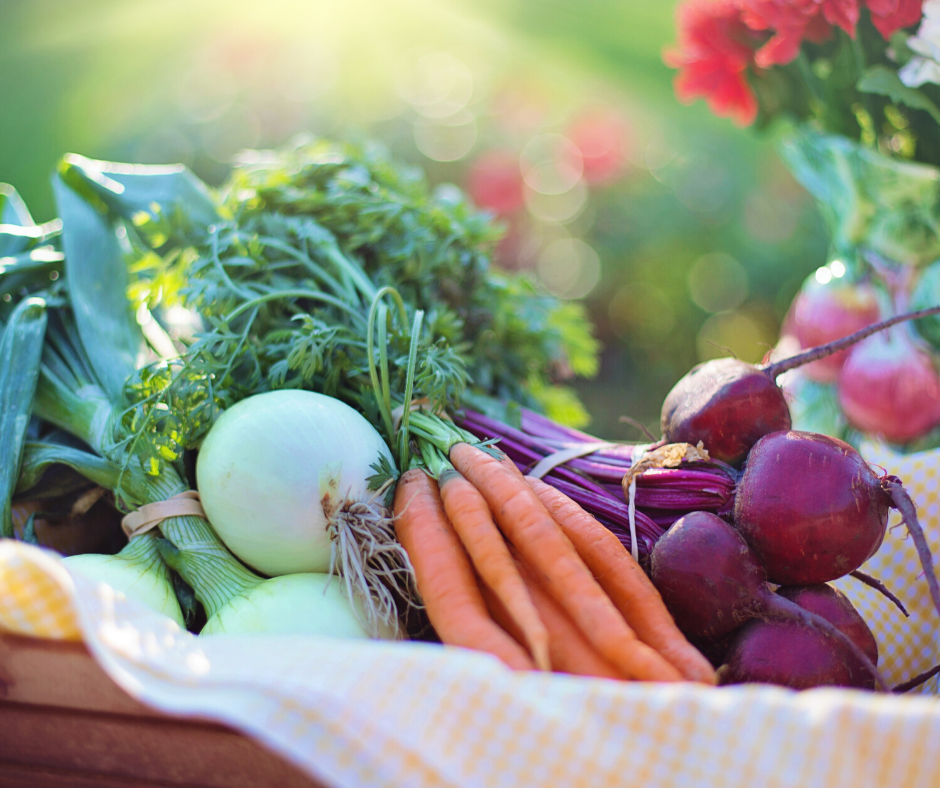
Vitamin C –  VItamin C is involved in the production of collagen, which is a major protein found in our skin, joints, bone, and connective tissues, so it supports strong gums and soft tissues of the mouth.8 Sources include citrus fruits, papaya, bell peppers, broccoli, brussel sprouts, and cantaloupe.

Probiotics – One major factor in the development of tooth and gum disease is an imbalance in the oral microbiota.9 Clinical trials shows that oral probiotics may reduce indicators of plaque buildup, gingivitis, bleeding gums, and reduce inflammation in the oral cavity.10,11 Including prebiotics, foods that feed the good bacteria, along with probiotics will help to make sure you inoculate your mouth with healthy microbes. Consume plenty of fiber from plants, beans, and legumes. Great sources of probiotics can be found in yogurts, kefir, kombucha, and fermented vegetables such as kimchi, pickles, sauerkraut.

FOODS TO AVOID

Foods that rob the body from minerals will rob our teeth. The more these nutrient-poor foods are in our diet, the less space for the nutrient-dense foods to fill our plates. 

  • Soda and juice
  • Sugar, artificial sweeteners, high fructose corn syrup
  • Hydrogenated vegetable oils (canola, corn, safflower, soybean oils)
  • Highly processed packaged foods including white flour, iodized refined salt

TAKEAWAY

When it comes to eating for healthy teeth, it’s not enough just to simply avoid certain foods. It has more to do with the foods we need to include in our diet. We are more susceptible to weakened enamel and decay when our diet is lacking the proper nutrients for dental formation.12 Eat well, brush, and floss for dental health!
Screen Shot 2020-01-13 at 8.43.03 PM.png

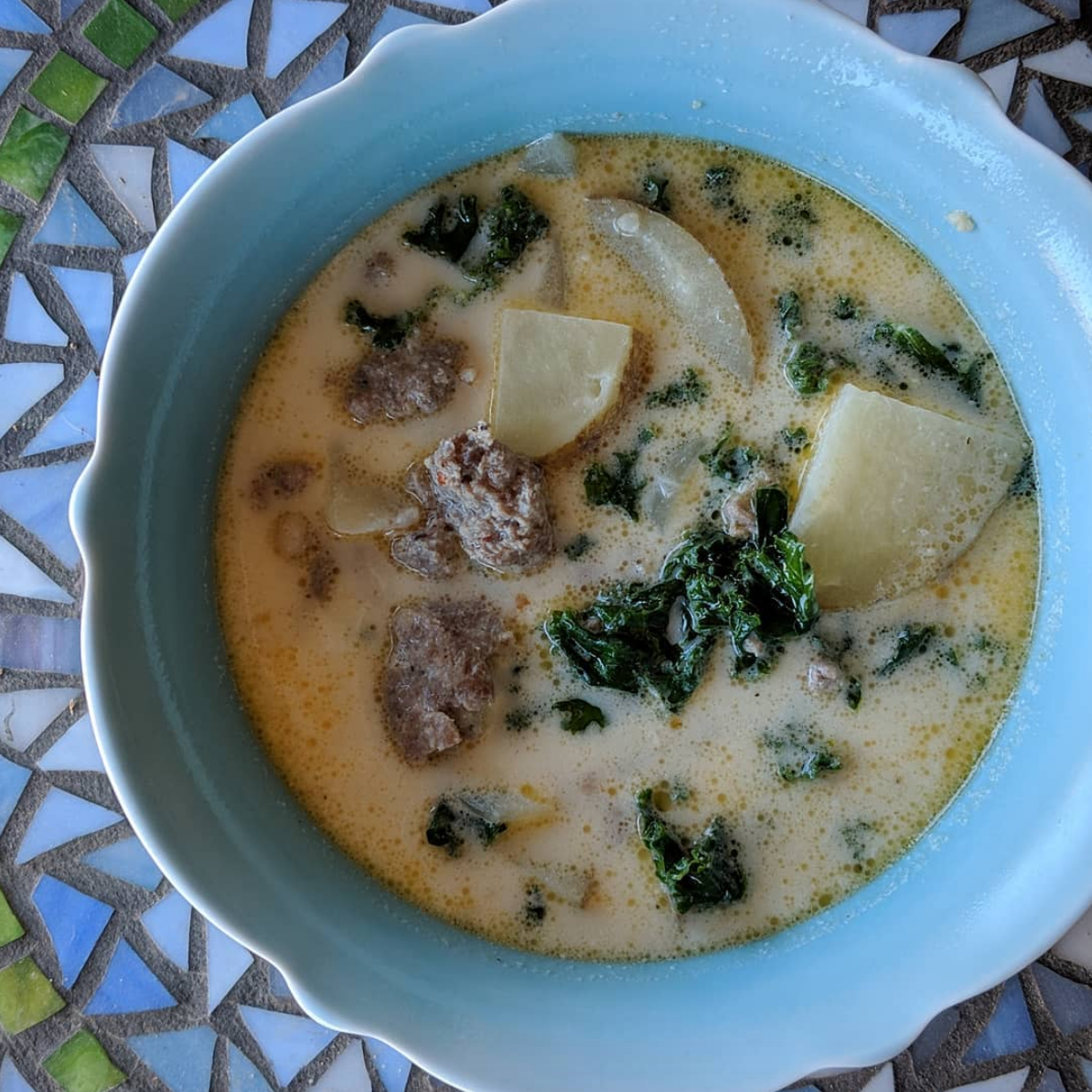
INGREDIENTS

1 lb ground sausage
1 medium onion, chopped
4 cloves garlic, minced
6 cups chicken bone broth
2 red or russet potatoes, diced (swap out with cauliflower to make RESTART-compliant)
1 bunch of kale, de-stemmed and roughly chopped
1 cup coconut milk
salt and pepper

DIRECTIONS

1.    In a large skillet, brown sausage. In the last 5 minutes of cooking, add the onion and garlic. Once sausage is fully cooked, remove from heat.

2.   In a large pot, add bone broth and potatoes. Bring to boil and cook until potatoes are tender, about 10 minutes.

3.   Add kale and coconut milk to broth and let simmer for 2-3 minutes, stirring occasionally, until kale is softened.

4.  Remove from heat and serve!

What comes to mind when you think of metabolism? Is it this mysterious control panel in our body that determines whether we will be slim or not? Is it possible to change our metabolism — from being “slow” to “fast?” And what is it anyways?? Let’s discuss the definition of metabolism, symptoms of metabolic dysfunction, and 5 habits to break to boost your metabolism.

What is metabolism anyway?

Simply stated, metabolism is the process by which our bodies convert the protein, fat, and carbohydrates into the energy we need to function. Our basal metabolic rate (BMR) is the amount of energy required for your body to carry out its basic functions when resting. Fortunately, the building of lean muscle mass increases BMR, resulting in more energy expenditure and weight loss.

Our metabolism impacts our health in several aspects, not just our weight, but also in our immune function, fertility, libido, muscle mass, brain function, and more. Factors that affect our metabolic rate include our age, genetics, gender, weight, movement, sleep quality, and diet. Though the speed at which we metabolize foods varies from person to person, a slow metabolism does not have to remain that way.

A well functioning thyroid is crucial to maintaining a healthy metabolism as it is the metabolic regulator of the body. An imbalanced thyroid may stimulate either too little thyroid hormones resulting in hypothyroidism, or too much, resulting in hyperthyroidism, significantly impacting body weight. Hypothyroidism lowers metabolism thus reducing calorie burn, leading to weight gain. Contrarily, hyperthyroidism raises the metabolism, increasing calorie burn and leading to weight loss. The liver plays a big role in glucose metabolism, providing our main source of energy. The liver also carries out processes to provide back up energy during periods of fasting or starvation.

So how do we know if our metabolism is running a little.. ahem… sluggish? And what habits do we need to drop in order to boost our metabolism?

Symptoms of Slow Metabolism

Symptoms of a sub-par metabolism are across the board since your metabolism involves your body’s ability to utilize the foods you eat. Common symptoms include difficulty losing weight, constipation, fatigue, frequent illness, low libido, irregular periods, dizziness, thinning hair, and skin problems.

Habits to Break to boost your metabolism

Not eating enough. 

Years of chronic dieting, skipping meals, can wreck our metabolism. Severe restriction from calories can put our body in to a starvation mode. While weight loss may be achieved initially, over time the body will adapt by increasing our appetite and decreasing our metabolism. Think about it, if your body doesn’t know when the next meal is coming, it will hold on to stored energy for reserves.

What to do instead:

  • Eat enough unprocessed whole foods, in proper balance for your body.
  • Breakfast is the hardest meal to eat for many people. Make your breakfast ahead of time by baking egg and vegetable muffin cups in the oven, batch cooking breakfast bake or a breakfast hash.

Lack of dietary fat

Chronic overconsumption of carbohydrates puts our body into a state where it relies on the constant input of glucose to use as fuel.  If we can shift our body to be a fat-burner, it can increase endurance, reduce brain fog, and help reset metabolism. Fats are a cofactor in building hormones too! Simply put, if you aren’t consuming fat, you aren’t going to be able to make happy and healthy hormones. Read more about how fats benefit your hormones here.

What to do instead: 

  • Boost healthy fats by adding chia seeds or hemp seeds to your granola or salad dressing.
  • Add a small spoonful of almond butter in your hot cereal.
  • Learn more about fats and cut the sugar in my RESTART program.

Consuming inflammatory foods

Processed foods, fried foods, sugar, vegetable oils – all these can contribute to internal inflammation and hijack the control panel to the body. This results in slow metabolism, making it difficult to shed the pounds.

What to do instead:

  • Choose anti-inflammatory foods to boost your metabolism:
    • Fatty fish
    • Green Leafy Vegetables
    • Ginger
    • Turmeric
    • Fruits 
    • Cold-pressed Extra Virgin Olive Oil  

Lack of sleep

A study of 21,469 healthy adults self-reported their nightly sleep duration. Those that slept for less than 5 hours were more likely to gain weight compared to those that slept for 7 hours.  In another study, one night of sleep duration was significantly reduced in men and BMR was also significantly reduced. “Sleep deprivation can cause your body to produce too much insulin, which can lead to increased fat storage.” 

 At night, our body does repair-work, release growth hormone and melatonin.  That melatonin bath actually helps to detoxify our brain. Melatonin also mitigates the inflammatory effect of cortisol, our stress hormone. So get your sleep on.

 What to do instead:

  • The National Sleep Foundation recommends adults ages 26-64 to get 7-9 hours of sleep each night.
  • Reduce your nightly screen time by leaving your device on the other side of your room one hour before bedtime.

Lack of movement or over-training.

Movement optimizes hormones and decreases inflammation. Moving your body more provides many health benefits including chronic disease prevention, healthy weight maintenance, and stress relief.  But too much of a good thing can bring problems. If you have a high stress job or in a high-stress season of life, getting too much movement through over exercising may actually cause weight retention.

What to do instead: 

  • Get the right amount of exercise.
    • 2.5-5 hours per week of moderate-intensity aerobic exercise
      • walking briskly or raking the yard
    • 1 hour and 15 minutes to 2 hours and 30 minutes of vigorous-intensity aerobic activity
      • running or taking a strenuous fitness class 

The takeaway

Boost your metabolism by avoiding meal skipping, eating anti-inflammatory foods, getting plenty of rest and sleep, and engaging in a balanced amount of physical activity.

Hormone balancing super foods.png

Hormones are an integral piece of our body’s systems that carry out functions that support the integrity of our health and well-being. When hormones fluctuate and become out of balance, problems can arise, leading to disease. Symptoms of hormonal imbalance include premenstrual syndrome (PMS), irregular and/or painful periods, infertility, weight gain, low libido. Causes of hormone imbalance vary from person to person, however, the culprits might be a disease such as an overactive or underactive thyroid, hypothalamic-pituitary-adrenal axis (HPA) dysfunction, liver stress, compromised digestion, use of birth control or hormone replacement therapy, toxins (such as BPA), and pollutants — the list goes on.

It’s also worth mentioning that the extreme symptoms that we typically associate with our periods (PMS, cramps, acne) and menopause (hot flashes, mood swings, hair loss) are actually signs of stress within the body. While these symptoms may be common, they are not normal. You may be relieved to know that it is possible to go through life transitions feeling more balanced by supporting your hormones. When searching for ways to promote hormonal health, consider adopting these five foods into your lifestyle for a more hormone balanced diet.

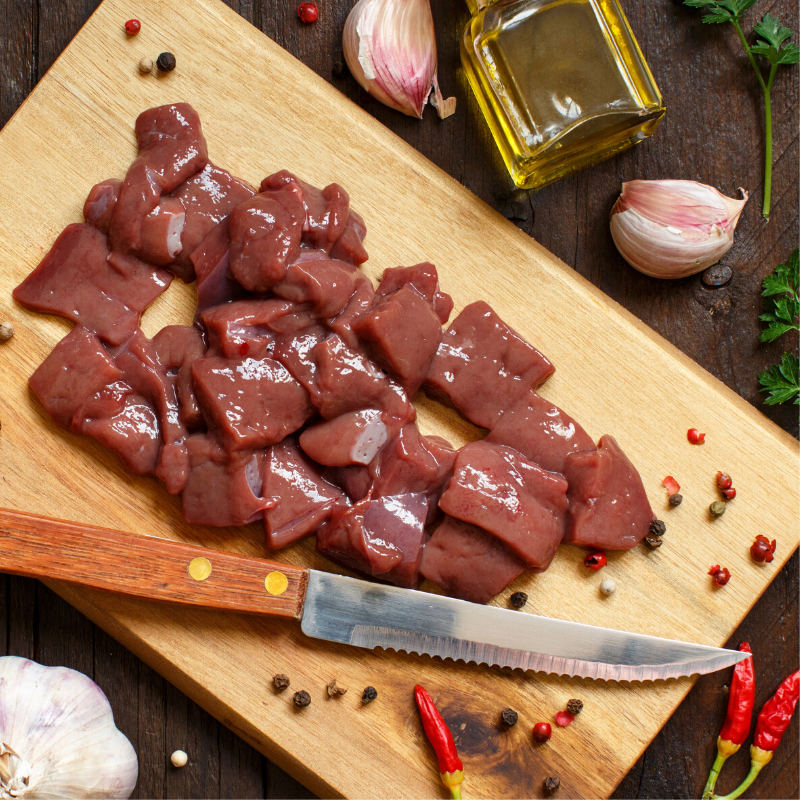
1. Liver
Did you cringe a little bit reading that? Organ meats such as liver may not sound very mouthwatering, however, they are bursting at the brim with nutrition making them wise choice foods for hormone balance. Eating just three ounces of beef liver can provide ample amounts of vitamin B12, vitamin A, iron, copper, selenium. A deficiency of iron and/or Vitamin B12 can lead to anemias. There is an association between thyroid disorders and anemia according to this study. Studies have illustrated that a risk factor for thyroid abnormalities could be iron deficiency. Furthermore, a review found that “selenium deficiency decreases the synthesis of thyroid hormones.” Liver serves as an excellent nutritional source and when consumed regularly can help prevent nutrient deficiencies that may affect hormones.

Additionally, consider your own liver and its role in detoxifying excess and “expired” hormones. Eating liver can actually support this detoxification process, therefore supporting your hormone balance. If the liver is overwhelmed with other, higher, priorities such as blood sugar regulation, then detoxification could be impaired. Consider eating liver as a part of a hormone-balanced diet.

2. Maca
Maca is a Peru grown root vegetable that is similar to a radish. For centuries, maca has been used as a traditional herbal medicine for “infertility and female hormone balance.” Animal studies have shown that “maca extracts increase sexual function.” A review of maca use in human studies reports favorable results of maca on menopause symptoms. My go-to recommended brand for maca is The Maca Team. A powdered form an be added to smoothies and puddings.

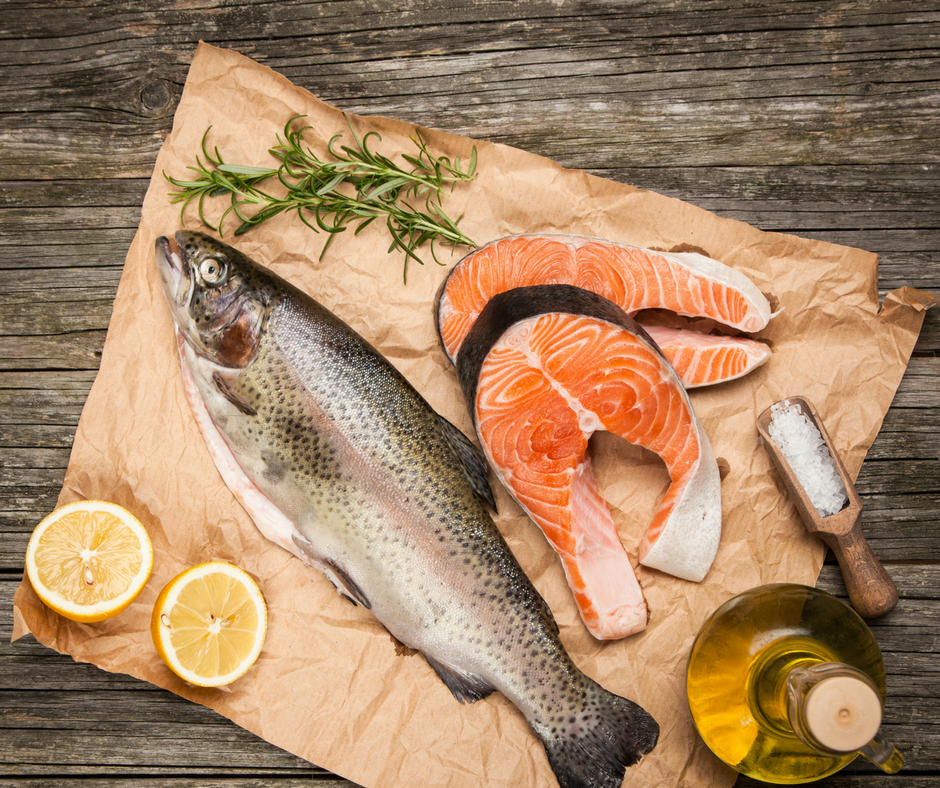
3. Fatty Fish
Coldwater fatty fish like salmon, mackerel, anchovies, sardines, and halibut (remember the acronym S.M.A.S.H.) provide the highest concentrations of omega-3 fatty acids. King mackerel should be avoided if you are pregnant and/or a nursing mother due to its high mercury content. Omega-3 fatty acids are well known for their benefits on heart health. They are not made in the body, therefore they must be consumed as part of a hormone-balanced diet to reap these benefits.

In a study of 78 women with PCOS and irregular periods, subjects were randomized into a placebo group and an experimental group. The experimental group was given 3 grams of omega-3 fatty acids daily for 8 weeks. At the end of the 8 weeks, there were decreases in testosterone levels and the percentage of women with regular periods increased in the experimental group. Fatty fish, along with other quality fats are great ways to support hormonal health. Try my salmon bowl or salmon bites.

4. Beets
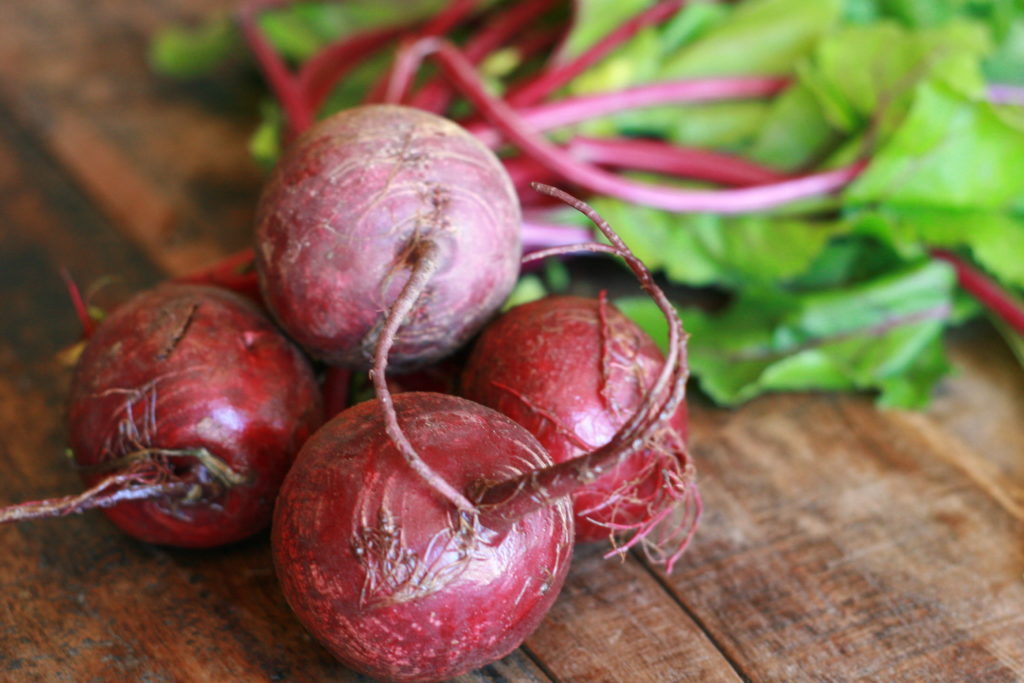
All bodies are subject to encounter a level of inflammation at some point which can be normal and expected, however, prolonged inflammation can lead to disease and detriment, creating chaos for hormones. Beets are an excellent source of folate, an essential nutrient for pregnancy. Beets contain highly bioactive pigments, betalains, that have high antioxidant and anti-inflammatory agents.

Beets also support liver and gallbladder health further benefiting healthy digestion and detoxification for happy hormones. Color your green leafy salad by topping with chopped beets and soft cheese or try these beet burgersor my ruby red probiotic applesauce.

5. Green Leafy Vegetables
Green leafy vegetables such as kale, spinach, and collard greens are infamous for providing a host of nutrients including Iron, vitamin K, folate, and fiber. Fiber supports healthy digestion by getting things moving and flushing out excesss hormones from the body. Green leafy vegetables are anti-inflammatory foods rich in polyphenols and antioxidants making them a hormone balance promoting food that can help with disease prevention. Use in salads, soups, or smoothies.

The takeaway
Eating a nutrient-rich diet incorporating the five hormone balancing superfoods is a step to alleviating hormone imbalances, improving your mood, preventing disease, and taking control of your health. If you have more questions about supporting your hormones, schedule a complimentary meet & greet session.

There is a lot of talk in the health field about elimination diets versus food sensitivity testing. Elimination diets have been considered the gold standard for the longest time but is that really the best option?

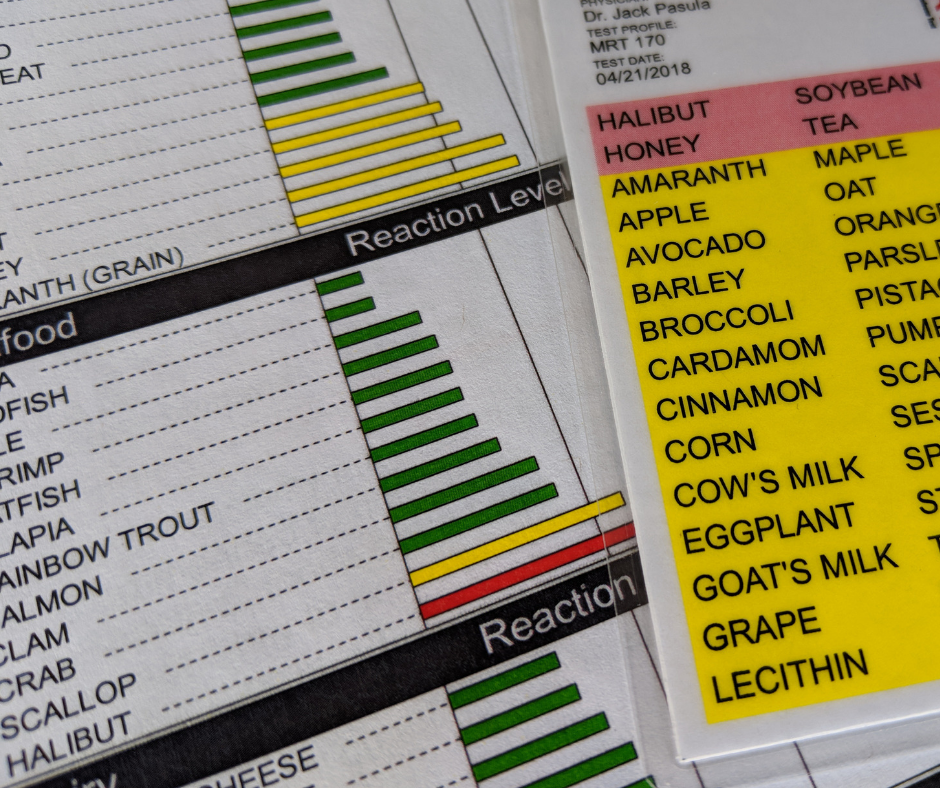
I used to be on the anti-food sensitivity testing side of the fence. I went through the AIP practitioner course and was therefore able to lead my clients through the autoimmune protocol diet. This is an elimination diet protocol that removes common immune triggers that promote inflammation in the gut, thereby mitigating autoimmune flare-ups. However after much research as well as clinical experience, I started implementing the Mediator Release Test (MRT) food sensitivity test in to my practice.

Now with experience in leading clients through multiple means of determining food sensitivities, I feel equipped in sharing a bit about my experience along the way. Let’s first discuss the MRT and then I’ll share my experiences with both – and you may be a bit surprised!

What is MRT?

MRT is a blood test that is used to estimate your immune response to 170 different foods or food chemicals. It is one of the most accurate food sensitivity test currently available to identify foods, additives, and chemicals that are causing sensitivity reactions (sensitivity of 94.5% and specificity of 91.7%).

It’s a bit different than your typical antibody testing that your doctor might run because it’s testing for the mediators that are released in response to sensitivity.  These mediators include histamine, prostaglandins, cytokines, among others – all of which can have a negative impact on our physiology. It’s the presence of these mediators that become the actual cause of the symptom in the person. MRT quantifies all of these reactions rather than focusing on just one marker, such as IgG. Interestingly enough, some evidence shows that presence of IgG actually indicates a tolerance to that food, so simply testing IgG alone wouldn’t provide sufficient information.

LEAP Protocol

It doesn’t stop with the testing. The next step is tailoring a nutritional protocol for the individual based on their results. The most common mistake I see individuals make is that they’ll take their results and solely avoid the foods that came back positive. The problem with this approach is that there are thousands of foods and food chemicals on the market today. There are still going to be foods that are not tested, which I refer to as unknowns. By only avoiding foods that are positive, you may still be consuming something in which you’re sensitive.

This is where the LEAP protocol comes in, which is designed to work backwards to allow your immune and digestive system to calm down and then gradually reintroduce foods one at a time, working your way back to an expanded diet.

Elimination Diets, AIP, and MRT – oh my!

A basic search for elimination diet will yield an assortment of conflicting information. For the most part, you may see a basic gluten and dairy elimination to something more strict, such as the AIP diet, which has quite a few restrictions.

A benefit to elimination diets is that is often the entry point for an individual to taking their health back in their own hands. It allows us to discover how food affects our body and that is a really cool thing! A less restrictive elimination can extremely beneficial for many clients, especially those who need a gradual approach. Protocols such as AIP is premised around the leaky gut – autoimmune connection and advocates for gut healing and nutrient-dense foods. These are basic nutritional principals that I think more people need to hear!

Where I find the downfall on elimination diets is that in being a standardized protocol, it can be difficult to follow! Here you are eliminating foods/food groups for extended periods in the hopes that they’re the right foods. I’ve seen individuals on an elimination diet for extended periods but still experiencing symptoms and it came back as they were sensitive to some random food that was still “legal” according to their elimination diet. Everyone’s body responds differently!

There’s also concern that overly strict elimination diets may set the stage for poor food relationship and/or disordered eating. I’ve seen some clients who’ve been on AIP for over a year. I can’t blame them though — they went on the diet and noticed significant improvement and it can understandably be downright scary to reintroduce foods back in.

While the MRT+LEAP is restrictive upfront, the most intense phase in only two weeks. It’s more streamlined in that the protocol is built based around your body’s own unique response to foods. Even better, the focus is on what you are eating, not what you’re avoiding.

We know diet is not one-size-fits-all and that goes for elimination diets as well. By blending the LEAP protocol alongside proper digestive support and gut healing protocols, an individual will have a customized roadmap to regain health!

What Next?

If you’ve been interested in pinpointing foods that may be triggering your symptoms, I first suggest working with someone one-on-one through the process. It’s tempting to DIY-it since we have so much information at our fingertips. However a professional will be there to assist in customizing that roadmap to your needs. If food relationship is an issue, then working with someone will help ensure you’re meeting your needs in all areas – nutritional, emotional, and spiritual.

Finally, I always suggest checking in on our mindset before going in on any protocol and again checking in throughout the journey.  Rather than focusing on food as the enemy, it’s important to shift the energy to healing the body so that we can enjoy an array of foods, just without the symptoms!

Questions? Let’s talk. Schedule a complimentary session.

Our bodies are being constantly exposed to dangerous chemicals including phthalate, parabens, triclosan, flame retardants, and more. Astonishingly, no health studies or pre-market testing are required for the very products we are lathering on our bodies or using in our homes on a daily basis.

This is not only affecting our health, but also the health of our babies who are the most susceptible. These chemicals are passed through the placenta and babies have early exposure, which studies show increase the risk to the fetus. Prenatal exposure to phthalates can cause reproductive organs of male infants to develop abnormally per a study completed at University of Rochester.1 Babies are born with still immature livers and early exposure to these chemicals can have a negative impact on their development. ((Curious to learn more? Read more about my post on chemicals and their impacts on health in this blog post.))

We do our best to reduce the amount of chemicals in our household. We know that it is impossible to remove all exposures, we believe that removing as much as we can as well as supporting the body through a nutritious diet will better equip the body to handle and detoxify these chemicals.

I thought I’d share some of the products I used for a natural and non-toxic pregnancy, labor, and baby. Let me know if you need any product recommendations that you don’t see on the list!

Note: This blog contains affiliate links. This doe snot change the price for you, but I do receive a small cut when you use my referral link. This does not affect my recommendations to you, as these are all products that I personally have purchased and used. See full affiliate disclosure here.

Natural Pregnancy

Belly Oil for stretch mark prevention

Magnesium Spray (directions for DIY)

Mama Natural Week-by-Week Guide to Pregnancy and Childbirth

Natural Labor

Homeopathy kit for labor

Pads for postpartum

Natural Baby

Sleep

Swaddler (read about the importance of proper hip alignment when swaddling here)

Babybjorn Cradle and fitted sheet

Eat

Spectra S2 breastpump

Silicon baby bottles

Nipple cream

High chair

Play

Baby Carrier – Boba 4gs

Swaddler (read about the importance of proper hip alignment when swaddling here)

Non-toxic chew rings

Playmat

Bathtime

Earth Mama Baby Wash (unscented)

Cotton muslin washcloths

Diapering

Andy Pandy Diapers (we use these for the first few days while baby passed meconium, then transition to cloth diapers.)

We use a few different brands of cloth diapers include Grovia, Charlie Banana, and Blueberry Simplex.

Water wipes

Diaper cream

Non-toxic changing Pad

Organic cotton changing pad cover

Laundry detergent


  1. SH, Main KM, Liu F, et al; Study for Future Families Research Team. 2005. Decrease in anogenital distance among male infants with prenatal phthalate exposure. Environ Health Perspect. Aug;113(8):1056-61.

Magnesium is one of the most highly used minerals in the body. It acts as a cofactor in more than 300 enzyme reactions. One of the most notable benefits of magnesium is that it is necessary for the relations of muscles, which benefits those with muscle cramps, restless leg, painful period cramps, and more.

Magnesium is also a key in stabilizing blood sugar and involved in insulin sensitivity. For every one molecule of glucose metabolized, the body uses approximately 74 molecules of magnesium. It’s no wonder why so many individuals are deficient in this mineral!

Magnesium also is essential for cardiovascular health, balancing hormones, mood regulation (key for those experiencing anxiety), and highly used in times of increased emotional or physical stress.

Materials

1 cup filtered water
1 cup Magnesium flakes
Glass spray bottle

Directions:

  1. Bring water to a boil in a non-aluminum saucepan.
  2. Turn of the heat and stir in the magnesium flakes until dissolved.
  3. When cool, pour into your spray bottle.

How to Apply

  1. Shake spray bottle before use.
  2. Start with 5 sprays on areas such as your legs, stomach, and back. Avoid areas that you’ve recently shaved (see why below!).
  3. Spray on to the body and lightly rub it in. Although it’s sometimes referred to as “magnesium oil,” it’s actually not an oil. However, it does feels slippery like an oil.
  4. Expect a tingling sensation when you first start using your spray. This tingling sensation will last about 20-30 minutes before it wears off. Typically, the tingling will wear off as you become less deficient.
  5. Gradually to a total of 20-30 sprays per day.
  6. Magnesium oil will loosen your stool. The test to determine your “dosage” is to simply watch your bowel movements. Once your bowel movements turn too loose, back off the magnesium a little.

Note: If DIY is not your thing, you can buy pre-made magnesium spray or magnesium lotion. The lotion is a great option for kids, since the spray can tingle.

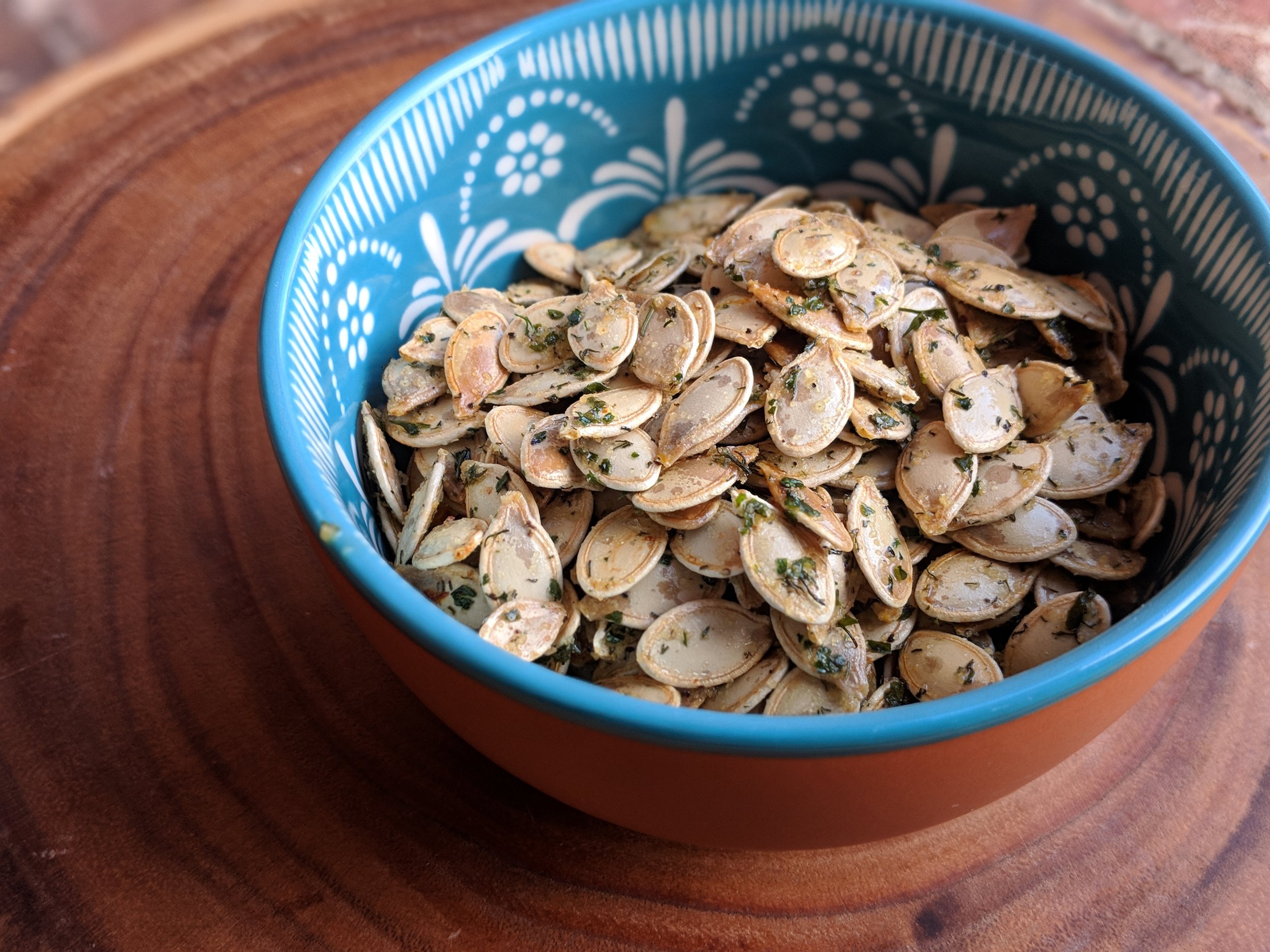
Carving a pumpkin? Don’t toss the seeds. Here is a recipe to use those pumpkin seeds. Pumpkin seeds are packed with antioxidants and minerals including zinc, mangesium, and manganese.

2.jpg

Ingredients:
1 medium pumpkin or approximately 1 1/2 cups raw unsalted pumpkin seeds
1/2 Tbsp coconut oil
1 Tbsp butter
1 tsp dried minced onion
1 tsp garlic powder
1/2 tsp dried parsley
1/2 tsp dried dill
Salt
Pepper

Directions:
1. Heat oven to 300 degrees.
2. Cut open pumpkin and scoop out the seeds, collecting them in a bowl.
3. Fill the bowl up with cold water and swish it around a bit to help separate the seeds from the guts.
4. Dry the seeds by laying the seeds on a dish cloth and patting to dry.
5. Use the coconut oil to grease a baking sheet. Spread pumpkin seeds evenly across sheet. Bake for 30 minutes, until dry.
6. Toss seeds with seasoning and butter. Spread back out on baking sheet and bake for another 10 minutes. Let cool then enjoy!

Screen Shot 2018-11-04 at 2.41.07 PM.png

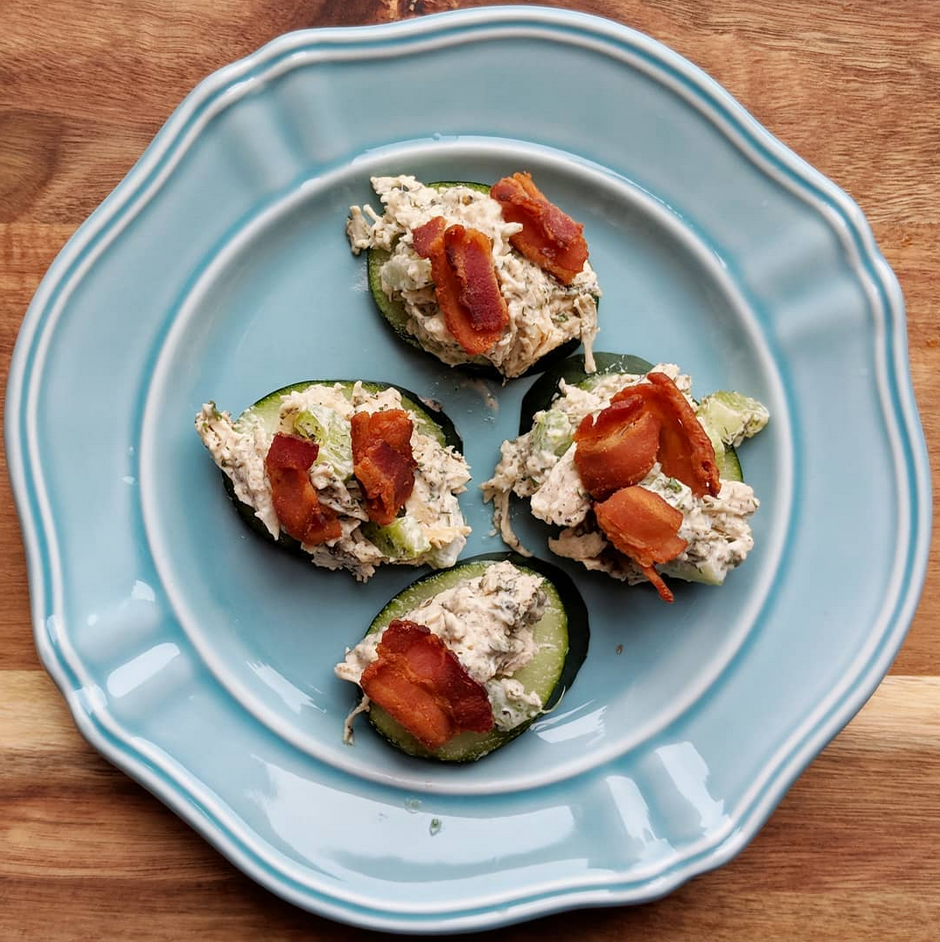
How come everything is so much cuter when bite-sized?

Ingredients:
One pound cooked chicken breast, shredded
1/2 cup mayo (I used @primalkitchenfoods mayo)
1/2 cup celery, diced
1/4 tsp pepper
1/4 tsp salt
1/4 tsp dried dill
1/4 tsp dried parsley
Cooked bacon, crumbled
Cucumber, sliced

Directions:
1. Mix chicken, mayo, celery, and seasonings till well blended.
2. Spoon out chicken salad over cucumber slices. Top with bacon. Enjoy!

Hint: I threw my chicken breast in a slow cooker on low for about 4 hours. Once cooked through, I simply took my tongs and shredded the chicken and placed in the fridge to cool. You can also use any leftover shredded chicken from other recipes!

radishbites

I recreated this appetizer after sampling something similar at Natural Grocers. I couldn’t find their recipe, so I created my own!

Ingredients:
Thinly sliced radishes
Raw cheese
Chutney (bonus points if you use fermented chutney! Mine was just what I grabbed from Central Market)

Directions:
Layer radish, cheese, and a bit of chutney for a delicious appetizer treat!