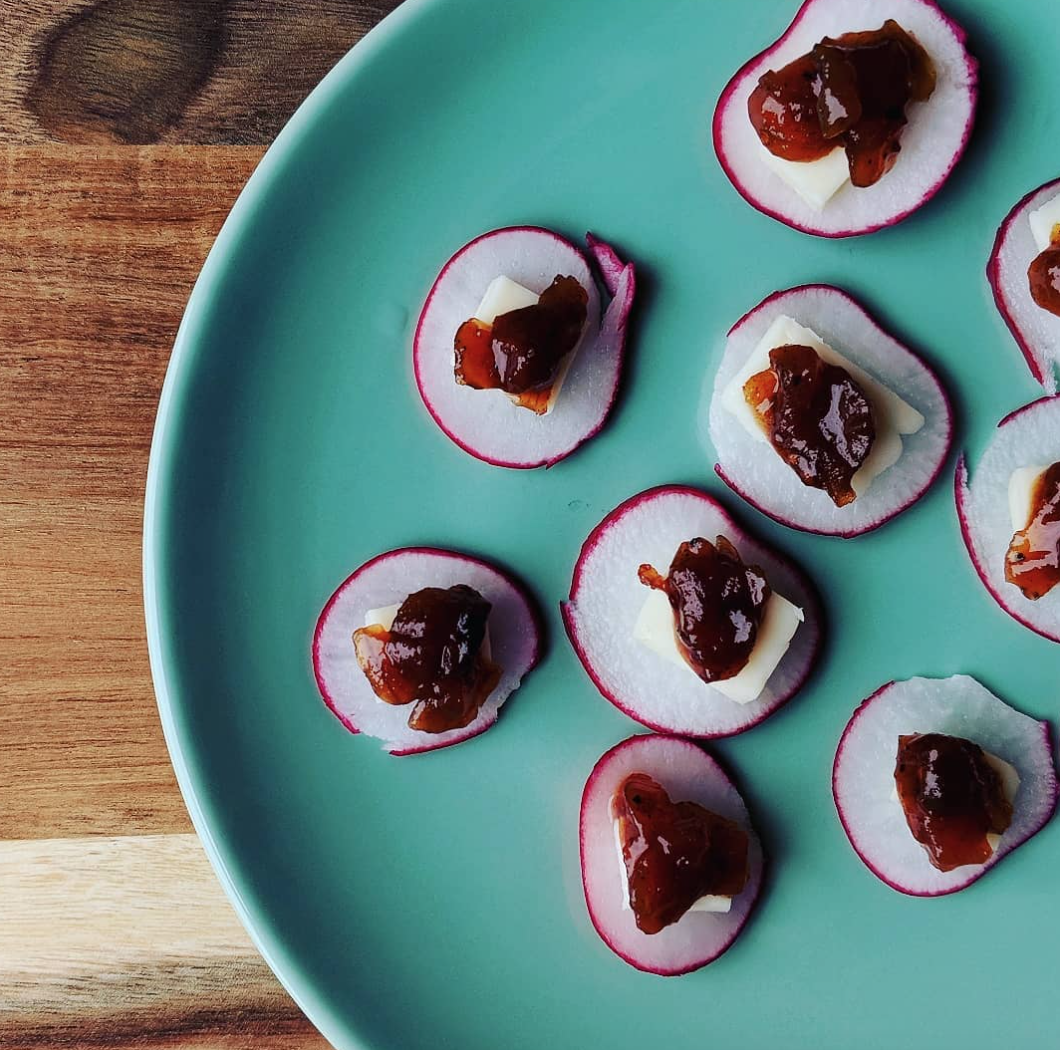
radishbites

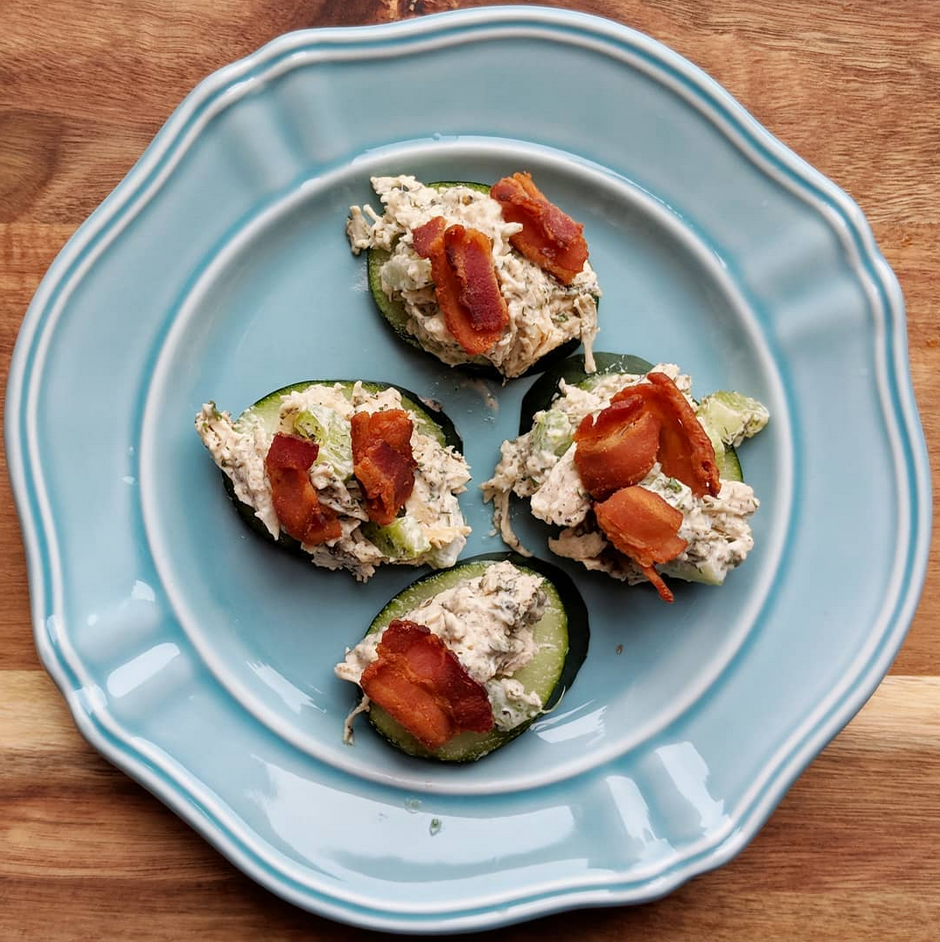
I recreated this appetizer after sampling something similar at Natural Grocers. I couldn’t find their recipe, so I created my own!

Ingredients:
Thinly sliced radishes
Raw cheese
Chutney (bonus points if you use fermented chutney! Mine was just what I grabbed from Central Market)

Directions:
Layer radish, cheese, and a bit of chutney for a delicious appetizer treat!
Choline title.png

If you’ve been looking up nutrition during pregnancy at all then you’ve likely read about the importance of vitamin D, protein, calcium, and folate. But there is one nutrient that shies away from the spotlight and is not typically found in prenatal supplements – yet, it is estimated that 90% of Americans do not get enough of this nutrient: choline. (1)

What does it do??

Choline is an essential nutrient that is involved in all cells of the body. Although the body makes small amounts of choline, many individuals have compromised ability to create it, topped with the fact that the needs needs in pregnancy substantially increase. Therefore, it’s a crucial nutrient that we need to ensure we’re getting in through our diet.

Due to the fact that choline is used to make phosphatidylcholine, a component of all cell membranes, the roles of this nutrient is pretty far–reaching. It’s involved in normal metabolism and transport of lipids, methylation reactions, and synthesis of neurotransmitter. Because of its role in methylation, it also plays a role in DNA creation, nerve signaling, and detoxification. (2)

Healthy Baby

During pregnancy, choline supports optimal brain development, influences cognitive function in later life, and provides protection against birth defects such as spina bifida. (3) While the body’s ability to synthesize choline increases during pregnancy, the demand is so high that mom’s stores are often depleted. A study in 2014 demonstrated the high demand during pregnancy when measurements of choline in amniotic fluid revealed to be ten times greater than that present in maternal blood. (4)

choline sources.png

What’s even more interesting about choline is its relationship with folate. Folate is another critical nutrient for pregnancy in prevention of neural tube defects. Choline, folate, and B vitamins all work together, keeping one another in balance. (5) Needs during lactation also increase because of the presence of choline in breast milk, which further supports the newborns growth and development.

Recommended Intake & Sources

During pregnancy, recommended intake for choline is 450 mg per day and 550 mg per day if you’re breastfeeding. (6)

It’s considerably easy to get your daily intake through diet alone – most times supplements are not necessary. For instance, eggs are one of the top food sources of choline, providing about 125 mg, or roughly a quarter of the recommended daily amount. Other food sources include liver, beef, wild-caught salmon, cauliflower, and broccoli. Spinach and beets can support choline needs indirectly, by sparing choline in the methylation process. (7)

Eating a nutrient-dense varied food diet will help ensure you’re reaching your recommended intake. However, vegetarians and vegan who do not consume meat, dairy, or eggs, will be at a higher risk for deficiency. While choline is considered a safe nutrient, high doses can be dangerous. It is recommended not to exceed 3,500 mg per day for adults over 19 years of age. (7)

Recipes

Morning Breakfast Salmon Bowl

Breakfast Egg Bake

Beet Burgers

Focusing on Whole Food Nutrition

Okay, so now we know what foods to avoid to rebuild your gut health. But what foods should you include?

Fermented Foods

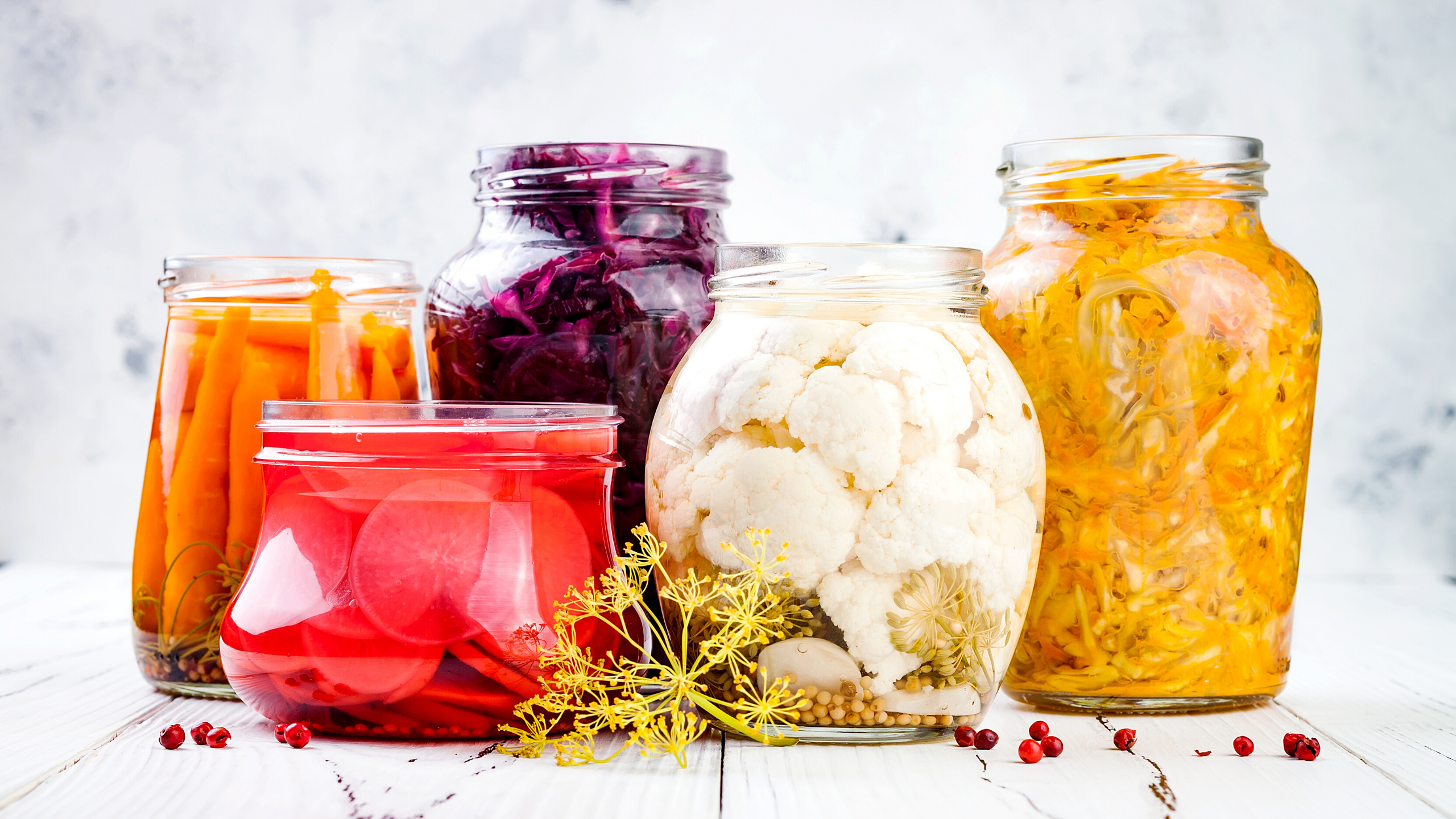
If you have never tried fermented foods before, such as sauerkraut, you will want to take it slow. Properly-made fermented foods can pack quite the punch, and it doesn’t take too much to support your good gut bacteria count.

Some of the most popular sources are: kimchi, kombucha, water or juice kefir, saurkraut,or fermented veggies.

Grass-fed Proteins

When you are breastfeeding, you want to be getting the best source of clean protein as possible. If you are a vegetarian, I would focus on getting local, pasture-raised eggs, which are far richer in nutrients than your typical store-bought eggs.

When you are buying grass-fed meat (even better if it’s local!), you are avoiding the risk of consuming meat that has been raised under the influence of antibiotics.

Beautiful Fats!

I couldn’t sing the praises of healthy fats enough. Having good quality fat in our diet is so important for everything from our skin health, to neurological health.

Having a consistent source of saturated fats (coconut oil), monosaturated fats (avocado), choline (pastured egg yolks), and omega-3’s (salmon) is essential for your baby’s immune system, as well as their nervous system function as they mature.

“Okay, I’ve cut everything out. So, why am I still having symptoms??”

There can be obvious signs of food sensitivities, such as eczema or a rash, but there are some sneakier signs, such as fatigue (and hey, you’re a new mom, so that one is kind of a given!).

But sometimes, there is not any obvious sign we can put our finger on.

This is when it’s time to look into the root causes a little further. One great tool for this that I use in my practice is the MRT (Mediator Release Testing).

The MRT is a blood test that looks at your immune response to 170 different foods or food chemicals. Unlike other tests, the MRT is looking specifically for what is causing the most damage and inflammation within your body.

Just having this information in front of you can be helpful, but sometimes it takes a little more support to tie it all together. I always encourage my clients to follow up their MRT with one-on-one coaching in the form of LEAP. The LEAP protocol establishes the stepping stones for you on what to do next, and what foods you should be eating.

——–

It will take time to heal your gut if you have been in a state of imbalance for some time, so I always tell my clients that patience is a necessary ingredient to the healing process.

Your body knows what it is doing, you just have to let it do it’s thing!

river of life part two.png

In our last installment I talked about the connection between having an imbalance in gut bacteria and how it affects breastfeeding your newborn. Gut dysbiosis is a broad spectrum problem, but there are some signals that your body will give if you have an imbalanced gut.

One of these is food sensitivities. When we consume certain foods we are sensitive to for a long period of time, our body can tend to tune out the message. Unless we take them out for at least three weeks (and in some cases, longer), we may not notice they’re an issue for us.

Now, comes the “bad” news. I always remind my clients that you have to let go of that food 100% in order to really see any changes. Even if you take most of it out of your diet, you will still be experiencing symptoms because that food is being introduced to your system on a daily basis. Ooooh

So, how do you weed out those food sensitivities in order for your gut to heal?

Write it Down!

One of the best places you can begin is food journaling! You may have heard of this before, but this brief, daily practice really does make a world of difference. Regularly food journaling will create a greater awareness of what you are eating every day, and how it made you feel.

Any old notebook will work, but it is important to jot down anything different you notice after eating that quinoa bowl. If you are feeling anxious, or you notice that your skin is a little red, write it down! This will help you keep track of any signals your sympathetic nervous system is giving you. This is how your body tells you, “Hey! This food isn’t working out for me!”

Another good thing to keep in mind is that process of elimination is never a guarantee. There are various factors to food sensitivities and gut imbalance, but one is genetics. Some of us are predestined to be sensitive to certain foods, and even if we remove them for a couple years, we may still experience symptoms when that food is consumed again.

Kicking Sugar to the Curb

What is it that makes it so hard to let go of sugar?

Studies are now finding that the death grip we have on sugar is very intimately connected with how our ‘neuro pathways’ operate when influenced by sugar. From the time we are born, our preferences are already formed to some extent, especially if there is a constant presence of added sugars in the mother’s diet while she is pregnant.

Since there is such a strong, neurological attachment to sugar (as well as it being a ‘comfort’ for many of us), there will have to be a couple of steps you put in place in order to break away.

Start reading those labels!

Did you know there is over 50 different names for sugar?

Whether it is your favorite granola bar, or your preferred smoothie ingredients, taking a closer look at just how much sugar is in your go-tos is the first place to start.

Many of the pre-made snack foods out there that are a staple among busy moms, such as energy bars, contain a lot more sugar than they used to. Many brands of bars contain 24 grams of sugar, which comes out to SIX teaspoons of sugar. Yikes!

Bring in Satiating Foods

Healthy fats and proteins are a must-have if you are trying to cut back on sugar cravings. A clean source of fat, such as wild-caught salmon or avocado, will provide the satiation factor that is needed to give you sustainable energy. Grass-fed meats, such as beef or lamb, provide you the necessary building blocks to build your baby’s immune system through your milk.

Pucker up, Buttercup!

Sour foods are excellent for killing that sugar craving as you feel it coming on. There is such a wide variety to choose from as well: saurkraut, kimchi, pickled veggies. One of my personal favorites is pickled okra!

What Else is There?

Gluten, dairy, soy, and corn are other common sources of food sensitivities…and sometimes these are harder to catch.

Dairy

When it comes to healing dysbiosis in the gut, dairy is one of the first things that I often recommend my clients to let go of. If you already have an imbalance of “good gut bugs” versus “bad”, introducing a source of dairy will inflame the issue due to the milk sugars feeding the bad bacteria.

How to Let Go of Dairy

As you remove the current sources of dairy in your diet, replace them with non-dairy options that are full of beneficial bacteria. There are plenty of options out there now for non-dairy yogurts, such as almond or coconut. I tend to go more towards the coconut yogurt, as it is more sustainable than almond (and creamier too!).

Take out all dairy in your diet, but spread it out over time. Ex. Remove cheese from your diet this week, and milk the next.

For every bit of dairy you remove from your diet, don’t forget to replace it with a non-dairy option (preferably one that is low in sugar).

Gluten

A good place to start is to cut out gluten, and start looking at your labels to make sure you are not consuming anything that may contain gluten. Gluten contains a chemical, called Zonulin, which works to actually open up the junctions of the small intestine. These junctions, or pockets, are where we absorb our food. If they become too large, it lets in larger particles of food that we have not digested well.

Soy

Corn and soy are also two very common additives for many food products out there.

Soy poses a problem to breastfeeding mothers because soy acts as an ‘endocrine distruptor’ in the body, but also because a majority of the soy grown here in the states is laced with glyphosate.

Corn

Corn also falls into a similar category as soy because it is also another large-scale crop that is steeped in glyphosate and other herbicides. Corn is also closely related to gluten in the fact that it has prolamines. The outer casing of the each individual “grain” is coated with prolamines, which helps protect that “grain” until it is ready to grow into a new plant.

This might work for Mother Nature, but it definitely does not work well for the human gut as we have a great difficulty breaking down this protective “outer shell”.

Check out the final installment in this series, where I share practical tips you can use to uncover what you are sensitive to, how to cut it out, and how it will better support you as you breastfeed.

Have a burning question about food sensitivities and breastfeeding? Reach out to me! 

dry brushing blog.png

The skin is one of our largest organs. And directly beneath, we have a delicate network of lymph nodes, ducts, and vessels. Our lymphatic system is invovled in removal of toxins and waste products and plays a role in delivery of hormones and nutrients. As Ginger Nash, ND, states it here, “All hormones, nutrients, and waste products going to and from the cells must pass through the interstitial or extracellular matrix. If the lymphatic channels cannot remove toxins properly, no hormone, no gene, no enzyme, and no molecule is going to work optimally, and there will be deposition of waste products into the tissues.”

Unlike blood, lymph fluid doesn’t flow on it’s own though. This is why it’s important to get movement in your day, however you can. This stimulates flow, and supports your body’s detoxification and hormonal health!

Benefits include

  • remove dead skin cells
  • cleanse poors
  • improve circulation
  • stimulation of nervous system
  • assist in removal of toxins

Products i use

Natural bristle brush – I like this set because it includes a long handle, short handle brush, and a small one for the face.


Optional add-ons

Beautycounter citrus rosemary body oil
Vibrant Blue Lymph essential oil blend – I apply this one my lymph nodes and along the sides of my neck on either side before brushing.

Directions

1. Use a natural bristled brush.

2. Use short and soft brushes in the direction of the heart, starting at the extremities (feet and hands). Be sure to include tummy, back, neck, palms, soles, lymph nodes, face (exercising extra gentleness here!), and ladies, especially targeting breast tissue and lymph nodes under the arms!

3. Brush for 45 seconds to 3 minutes, ideally twice a day.

Other ways to support lymph drainage & detoxification

1. Castor oil packs

2. Rebounding (I have this one)

3. Infared saunas

4. Movement (exercise)

5. Massages

6. Magnesium baths

river of life.png

Unless you are an avid gardener, you probably haven’t thought much about the millions of little organisms beneath your feet. Bacteria makes up a vast portion of life here on earth, and we depend on having a healthy microbial imbalance for so many things: good digestion, emotional health.

And when you are a mother-to-be, you are primarily concerned with getting in nutrient-dense foods to support your child’s growth in utero as much as possible. You want to make sure this newest addition is going to get everything he or she needs, and bacterial balance is part of that.

Women are passing on more than just their genes when they become pregnant: they are also passing on their own strains of bacteria!

It was once thought that when we are in utero we are not exposed to any bacteria at all, that at the beginning of life our forming bodies were completely sterile. Research has since looked at there being presence of bacteria shared from the mother with the baby while still in the womb. This means that you can be influencing your child’s microbiome health, and immune system health even before they are born.

In a recent study, it was found that infants who had a lower amount of “good” bacteria strains were at a higher risk for developing asthma or allergies. Not only did they have a lower count of positive strains, such as Bifidobacterium, but they also had a higher level of some fungi strains, namely Candida Albicans. It was also found that samples from this “high risk” group impacted healthy adult immune cells negatively. The “high risk” sample actually reduced T-Regulatory cells, which are responsible for preventing allergic reactions in the first place.

Breastfeeding and Dysbiosis

So, how do you approach breastfeeding if you know you have an imbalance of sorts?

Dysbiosis is really a catch-all term for microbial imbalance. When we have a higher level of “negative” bacterial or fungal strains (such as Candida), we can experience symptoms such as yeast infections, bloating, or frequent bladder infections. If this is present in you as the mother, chances are it might be why your child has been a little fussier lately!

Breastfeeding is one of the best things you can do with your newborn. It is an incredible bonding experience, as well as the chance to nourish your little baby’s body with dense nutrition.

Ideally, it is healthy flora (or bacteria) that is transferred from the mother’s breast to the child. Each milk microbiome is completely unique to that mother and her child and is designed to build her child’s immunity, however this microbiome can change drastically if there is a gut imbalance present.

Food Can Heal, or It Can Hurt

One of the first steps I recommend to take, if you suspect that your little one is exhibiting symptoms of discomfort (gassy, colicky), is to look at what’s in your fridge. As you are looking through all the contents, think about how much of what’s in there has added sugars. Are there a lot of pre-packaged foods? How much fresh food is in there?

In order to help support your little one, you have to know what are the right foods that you need to be eating. And part of that is avoiding top inflammatory foods, such as gluten or dairy.

If you have been struggling with finding the right foods for you, be sure to catch the second installment in this series! I will be sharing some practical tips to help you support both yourself and your baby as you bring your body back to a place of balance!

We all know the struggle: 

It’s the holidays, and everyone is bringing over their favorite “guilty-pleasure” dishes. For those of us who have food sensitivities or restrictions, it can be kind of an adventure to navigate through the maze of lemon icebox pies, store-bought hot dogs, and all the gluten you could ask for. You want your cake, and you want to eat it now! 

grassfed whipped cream bowl.jpg

I’ve been there, and every holiday spent with family was a real challenge when I was trying to “stick to my routine.” But letting loose in your regular food intake every once in a while is healthy, and I encourage it as a part of mindful eating. This isn’t always the easiest task when it comes to staying sugar free as much as possible, but there are options! 

After picking up some locally-grown berries, I decided to whip up something special and satisfying (without the sugar load). As you can probably tell from my Instagram page, I like to use local ingredients as much as possible. Part of this is because I want to ensure that what I am putting in to my body will not undermine the healing time I have put in for my body. I normally will use ingredients, or foods, that I get from the local farmers in my area. It was made easier to supply my family with the nutrient-dense foods that we needed most by going through a co-op, which is something my husband and I eventually ended up taking on ourselves (and boy, is it nice to have that direct access to farm-fresh food!). 

When it comes to sugar, I like to try and balance things out with some fat or a easily-digestible protein (sprouted nuts or seeds). This time, I decided to lace a little Collagen into my grass-fed goodness that I concocted (as well as making my berry bowls as patriotic as possible). 

Berry Bowls

2 cups cream (check out what we have from Sandy Creek Farms)

Dash of Coconut Sugar (or, if you are completely sugar-free, nothing at all)

1/2 scoop Vital Proteins Collagen Peptides

-Using an electric mixer (or hand beater if you are feeling like a workout), pour the cold cream into the mixing bowl while mixing on high. 

-Next, slowly add the collagen in a constant stream (take it slow to avoid clumping), followed by a touch of sweetener (raw honey, coconut sugar). You can even just add a couple drops of vanilla extract and call it a day! 

Place in the fridge to chill, and slice up your berries or whatever fruit you have on hand. Once the whipped cream has chilled some, layer the berries in your bowls of choice (I didn’t put mine in a small parfait cup, but those work great!) and dollop the cream on top. 

Microbes.

They cover everything, and are responsible for a lot more activity than we may notice. The human body alone is covered in multiple strains of microbes, both inside and out.

The building of the micriobiome is influenced by a couple of different factors:

play in the dirt.jpg
  • Our birth environment.

  • Our genetic/epigenetic expression

  • The kind of diet we consume (high-glycemic, low glycemic)

You are what you eat takes on a whole new meaning as a mom. 

When I talk about ‘our birth environment’, I am referring to everything that leads up to when we give birth. If we consume sugar-heavy diets while we are pregnant, this can actually mold our new infant’s “tastes” so to speak.

Now, it is ideal to have a healthy microbiome before you become pregnant, for all parties involved. But when that doesn’t happen, how do we support our children after the fact?

Drop the hand sanitizer!

We’ve never had a society so attached to their hand sanitizing gels and wipes. It’s important to maintain cleanliness, especially if you are in public places and your child is being exposed to a multitude of microbes. But overusing the cleansing products can be damaging to your child’s external (and internal) microbiome. You don’t have to avoid it entirely, but opting out for a healthier cleaning product may be best.

Let them play with dirt!

When Jude was old enough to sit up, I brought in a bucket of soil from the backyard for Jude to play with (it was winter). The old me would have looked at me now and said, “Are you insane? Dirt? In the HOUSE??”.  

It’s important to expose our little ones to reliable sources of soil and the great outdoors for the best microbial balance. A fairly recent study run on how being in contact with soil affects our own microbial expression resulted in finding that a particular microbe, M.Vaccae, actually improves anxiety.

Feed the machine…the right foods.

When there is a steady diet of simple carbohydrates (such as pastas, crackers, etc.), there is the risk of developing an overgrowth such as Candida. Candida Albicans, a pathogenic genus of yeast, can actually influence our disposition and cause mood swings. We always have a bit of Candida present at any given time, but if we consume a higher-glycemic diet, we can encourage it to grow.

Keeping your child’s diet as low-glycemic as possible will not only help to avoid this, but also help support their little bodies with the nutrition that they need!

Protect the inner ecosystem with the right probiotics.

It’s not always easy to figure out what probiotic is right for your child (and you may even have had some not-so-good experiences with some brands!). If you have not exposed your little to any regular form of probiotics just yet, or if they have exhibited some sensitivities lately, it might be best to start them out with probiotic food first.

Check out my blog post about incorporating probiotic apple sauce!

Getting in the greens.

A regular intake of some form of greens (raw and cooked) is food for your microbes! What protects you needs to eat too, and organic greens and root veggie tops (like carrot tops) are perfect for this. Prebiotic foods keep the good bacteria you have introduced satiated and proliferating.

Where you buy your greens is crucial, since much of what is in the store is pulled from minerally-deficient soil and lacks a lot of nutrients it should have. Opt out instead to buy your greens locally.

Every day will be a little different, and the process will never be perfect, but I always try to expose Jude to the great outdoors every day for at least an hour. Letting your child explore, whether they be at the “I’m just going to chew everything” stage, or the “busy body” stage, will help strengthen their microbiome and improve their eating habits.

Struggling with getting everything on track, or still not sure where to start?

Join the conversation with other women just like you in my Facebook group!

It’s springtime and all the vibrant colors blossoming in the garden is truly breathtaking.

Although I’ve written about my concerns about smoothies being meal replacements and their impacts on digestion (read more here), I’m not completely against them. I still think that we can enjoy them from time to time and that they are actually a great way to get some extra veggies in to our diet. Every time I whip out our NutriBullet, my son asks me for a specific color smoothie. It’s actually become quite the game in that we talk about what color we think each ingredient would turn the smoothie. And then I got this crazy idea. Could I make a smoothie in every color of the rainbow?

hmm..  challenge accepted.

So while creating these recipes, I had a few criteria for these smoothies. I wanted them all to include vegetables. Pure fruit smoothies, especially those with fruit juice, can drive erratic blood sugar. Also, I wanted them to contain a healthy fat source such as nuts, seeds, full-fat yogurt, coconut milk, or coconut butter to further balance the smoothie for optimal blood sugar regulation.

A few notes before we begin,

vegetables color.png
  • I didn’t precisely measure out the ingredients, so these are all eyeballed measurements. In other words, don’t be alarmed if your smoothie turns out a slightly different shade than pictured. Think of it as unique!

  • Each recipes makes roughly one 16 ounce smoothie.

  • For the liquid, feel free to swap out coconut milk, almond milk, or water. I do not suggest juice. My preferred choice is coconut milk because of the fat content. This helps stabilize the blood sugar, provide some healthy fats, and adds some extra creaminess!

  • I’ve listed the ingredients for each color below. Directions remain the same:

Directions:

1. Pick your favorite color!

2. Add all ingredients together in blender.

3. Add desired liquid. Start with about 1/4 cup and add more until you reach your desired consistency.

4. Blend until smooth!

One final note, I wrote these recipes with the intentnion of them providing a starting framework. There are so many ways to get a purple smoothie… find what you enjoy best and don’t be afraid to play around!

Here we go! In order of appearance on the rainbow…


00100dPORTRAIT_00100_BURST20180330170248567_COVER.jpg

Red

“firetruck red”

Ingredients:
1/2 red apple
1/4 cup strawberries
1/3 cup watermelon
1/3 cup beets, peeled
1/4 cup red bell pepper
Full-fat coconut milk, added to desired consistency

00100dPORTRAIT_00100_BURST20180322141534974_COVER.jpg

Orange

“orange dreamsicle”

Ingredients:
1 orange, peeled
1 banana (I like to keep frozen peeled bananas in the freezer for smoothies)
1/4 cup pineapple
2 large carrots
Full-fat coconut milk, added to desired consistency

00100dPORTRAIT_00100_BURST20180330174227400_COVER.jpg

Yellow

“sunshine on a cloudy day”

Ingredients:
1/2 banana
1/4 cup pineapple
1/4 cup mango
1/4 cup yellow bell pepper
1/3 cup cauliflower
Full-fat coconut milk, added to desired consistency


MVIMG_20180320_163025.jpg

Green

“Classic green”

Ingredients:
1 kiwi, peeled
2 handfuls spinach
1/2 cup cucumber
1/4 cup pineapple
1/2 avocado
Water, added to desired consistency

00100dPORTRAIT_00100_BURST20180325090732450_COVER.jpg

Blue

“robin egg blue”

Ingredients:
1 banana
1/4 cup zucchini
1/2 cup cauliflower (I used organic, frozen, “riced” cauliflower)
1 tsp spirulina powder
2 Tbsp coconut butter
Water, added to desired consistency

00100dPORTRAIT_00100_BURST20180325084316292_COVER.jpg

Dark Purple

“powerful purple”

Ingredients:
1 cup blueberries
1/2 banana
1/3 cup zucchini
1/3 cup Butter lettuce
1 Tbsp sprouted pumpkin seeds
1 tsp spirulina powder
Coconut milk, added to desired consistency

00100dPORTRAIT_00100_BURST20180325085620922_COVER.jpg

Light Purple

“like purple, but slightly different”

Ingredients:
1/4 cup blueberries
1 banana
1/4 cup zucchini
1/2 cup cauliflower
1 Tbsp sprouted pumpkin seeds
1 tsp spirulina powder
Almond milk, added to desired consistency

00100dPORTRAIT_00100_BURST20180319183511605_COVER.jpg

Magenta

“antioxidants galore”

Ingredients:
1/4 cup beets, peeled
1/4 cup purple cabbage
1/2 cup mixed cherries, blueberries, blackberries
1/4 cup full-fat plain yogurt (read shopping for yogurt)
Water, added to desired consistency


00100dPORTRAIT_00100_BURST20180325092117838_COVER.jpg

Pink

Ingredients:
1/4 cup strawberries
1/4 cup dragonfruit or 1 smoothie pack, as shown (optional, but gives a more vibrant pink)
1/2 cup cauliflower (I used organic, frozen, “riced” cauliflower)
1 Tbsp chia seeds
1/2 cup coconut yogurt
Water, added to desired consistency

00100dPORTRAIT_00100_BURST20180330184515511_COVER.jpg

For those who are looking to conceive, it’s important to consider dietary fat intake. Fat is a fertility food that often goes neglected. Knowing the role of fats in fertility and how to select healthy fats are key to those considering pregnancy.

Why Our Bodies Need Fat

There is a lot of fear in our society surrounding fats. But the fact is that we need fats to survive – especially fat that is rich in omega-3. Fats are involved in the make up of cells, manage the inflammatory process, and are raw materials to building happy and healthy hormones. They also support appetite and hormone regulation, by stimulating hormones that stimulate fullness – hence why you feel more satiated after a breakfast of bacon and eggs versus a bowl of cereal.

Fats are also necessary for the absorption of fat-soluble vitamins (vitamin A, D, E, K). Vitamin A, for one, is important for thyroid and liver health. As a group, these vitamins play a critical role in fertility and fetal development.

Cholesterol is often categorized as a fat, but it is actually a waxy steroid. We need to talk about it here because, just like fat, it has significance in fertility but is often found demonized in outdated nutrition recommendations. Cholesterol is a precursor to all our hormones in the body, including our fertility hormones. It is also involved in the stabilization of our cell membranes. Without it, our cells would be weak and floppy, which translates to poor transport of nutrients across the cell and an inability to release toxins. It also acts as an antioxidant and plays a role in fighting infection. Additionally, it is involved in brain function and in the production of vitamin D, bile (necessary for fat digestion), and serotonin. Cholesterol has recently been redeemed, when the 2015 Dietary Guidelines removed the outdated restriction on cholesterol. 1

Fat has been considered a fertility food in many cultures. Native American women struggling with infertility would go on a diet rich in bear fat, which was supportive of successful conception.2 Current research further supports this role of fat in fertility. Data from the Nurses Health Study revealed that women who ate two or more servings of low-fat or non-fat dairy per day had 85% higher risk of infertility than those that ate full-fat dairy products. 3

Shopping for Fats

When food manufacturers reduce fat in their products, they often replace it with sugar, affecting blood sugar and insulin levels. Preconception is not a time to be eating low-fat foods. Instead, I often suggest to my clients to aim for 1-2 tablespoons of fat with each meal. Of course, it’s important to be selective on the types of fat that you consume because not all fats are created equal.  

For instance, trans fats and processed vegetable oils are high in omega-6 fatty acids, which impairs cellular messaging and immunity. Studies have also linked trans fats with a negative impact on ovulation and as a trigger of inflammation.4

Healthy Fat Options

oils.png

·      Grass-fed beef: Great source of omega-3 and CLA, which contains cancer-fighting properties.

·      Grass-fed butter: Butter was once prized for its health benefits, and rightly so! Along with the same omega-3 and CLA benefits as grass-fed beef, it also contains an easily absorbable form of vitamin A and K2.

·      Olive oil: Choose “extra-virgin” in a dark-tinted glass bottle.

·      Coconut oil: Look for “organic” and “unrefined”, should be solid at temperatures under 75.

·      Eggs: Don’t toss those egg yolks – that’s where all the valuable nutrients and healthy fats are located. They’re also a great source of choline. {Read more about choline here.}

·      Pastured animal fats: “Pastured” and “organic” are important here.

·      Dairy: Choose full-fat options.

·      Avocado and avocado oil

·      Nuts, seeds, nut butters

One last thing – while it’s important to consume plenty of fat in your diet, you are only “what you eat, digest, absorb, and assimilate.” Which means, if you’re not digesting and absorbing your fats properly, they’re really not benefiting you much. Signs that you may not be digesting your fats include gas or belching after meals, dry skin, gallbladder pain, nausea, gallstones, or gassy, smelly, floating stools. In this case, it’s best to work with someone who can guide you to supporting fat digestion. For more information about working together, click here.

1.     Whoriskey, P. (2016, January 07). What the government now says you should and shouldn’t eat. Retrieved January 01, 2018, from https://www.washingtonpost.com/news/wonk/wp/2016/01/07/government-revises-dietary-guidelines-for-americans-go-ahead-and-have-some-eggs/?utm_term=.7c61496e9c4c

2.     3. Sally Fallon and Mary G. Enig, PhD. (2000, January 01). Guts and Grease: The Diet of Native Americans. Retrieved January 01, 2018, from https://www.westonaprice.org/health-topics/traditional-diets/guts-and-grease-the-diet-of-native-americans/

3.     Chavarro, J. Trans Fats May Increase Infertility. American Journal of Clinical Nutrition, January 2007; vol 85: pp 231-237.

4.     E. Chavarro, J.W. Rich-Edwards, B. Rosner, W.C. Willett; A prospective study of dairy foods intake and anovulatory infertility, Human Reproduction, Volume 22, Issue 5, 1 May 2007, Pages 1340–1347.