Hey mama, if you have a picky eater in your house, you are not alone. It is totally normal for kids to go through picky stages. Your sweet babe, who once ate anything you put in front of her, is suddenly turning her head and refusing to eat foods she used to love. 

Suddenly meal times are a struggle. And struggle might be an understatement. 

It can be crushing to see the nourishing meal you took time to prepare being pushed aside. And for a lot of kids, picky eating extends into later years, which can be even more frustrating. 

So, take a deep breath, and remember that this too shall pass. But in the meantime, this is how to find picky eaters recipes they will love. 

Go shopping together
picky eaters recipes

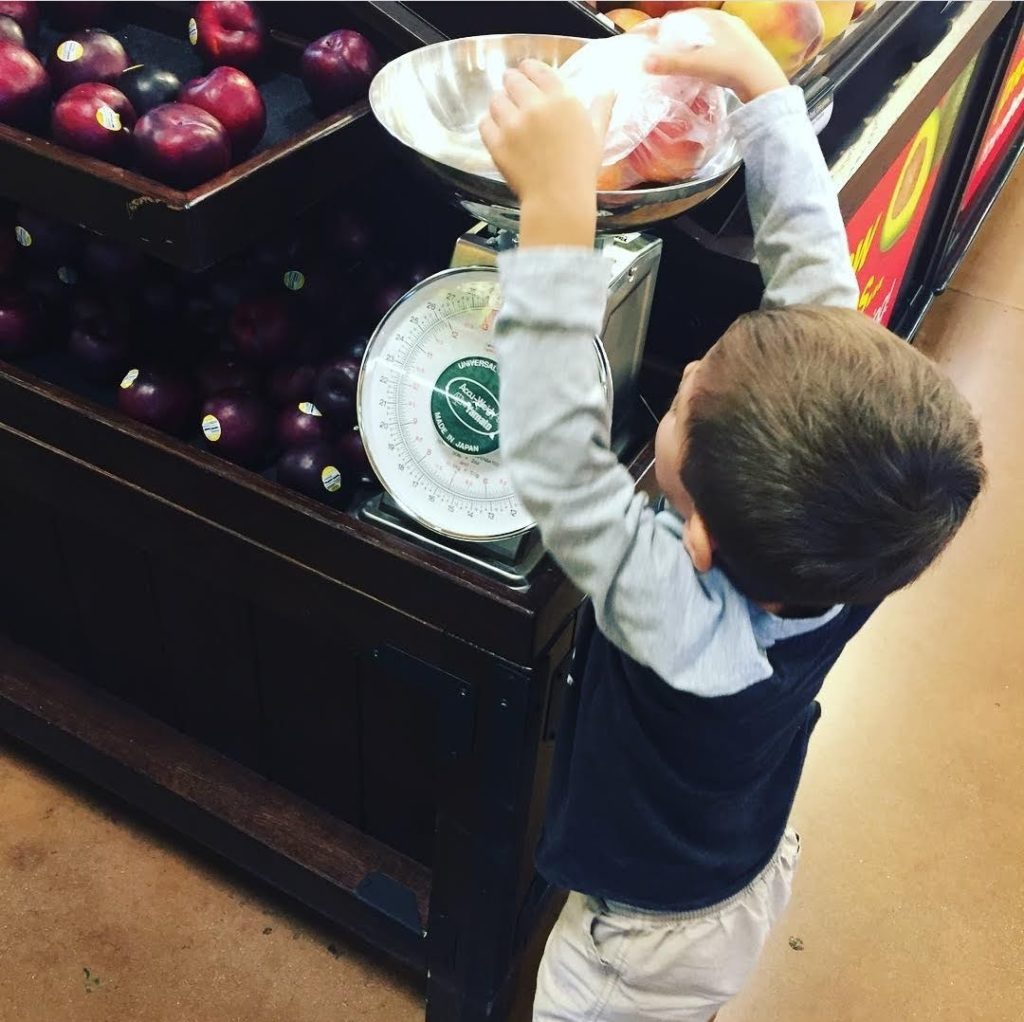
Ok, I know that shopping with kids can be a stressful experience for many, but hear me out. Letting kids help pick one or two foods they want to try gets them engaged and helps them feel like they have control over their food choices. 

Even little ones as young as two can help. Toddlers love to feel like they have a job to do and feel so proud when they help their parents. 

A farmer’s market is ideal because it usually ensures a wholesome selection of food. But if that is not available to you, the grocery store works just fine too. 

Be sure to set boundaries, but make it fun.

You could try saying something like, “I need your help at the store/farmer’s market. Your job is to pick one new fruit or vegetable that you would like for dinner this week.”

If they enjoy this process, you can expand into other food categories, such as dairy or meat. 

For older picky eaters, recipes can be part of how they help out. Ask them to choose one simple recipe they want to try, and then shop for the ingredients to help them get excited about their food.

Help your picky eater learn what food does for their body

There are many reasons behind picky eating—fear of new food isn’t the only one. Newfound independence, stubbornness, and even sensitivity to textures and flavors can contribute. 

Sometimes a different perspective on food can help reset some of these feelings. Learning about the science of food can help peak interest in various foods. Teaching kids about where food comes from and how special nutrients help our bodies is much more interesting than the over-used statement, “you need to eat it because it’s good for you.” 
picky eater recipes

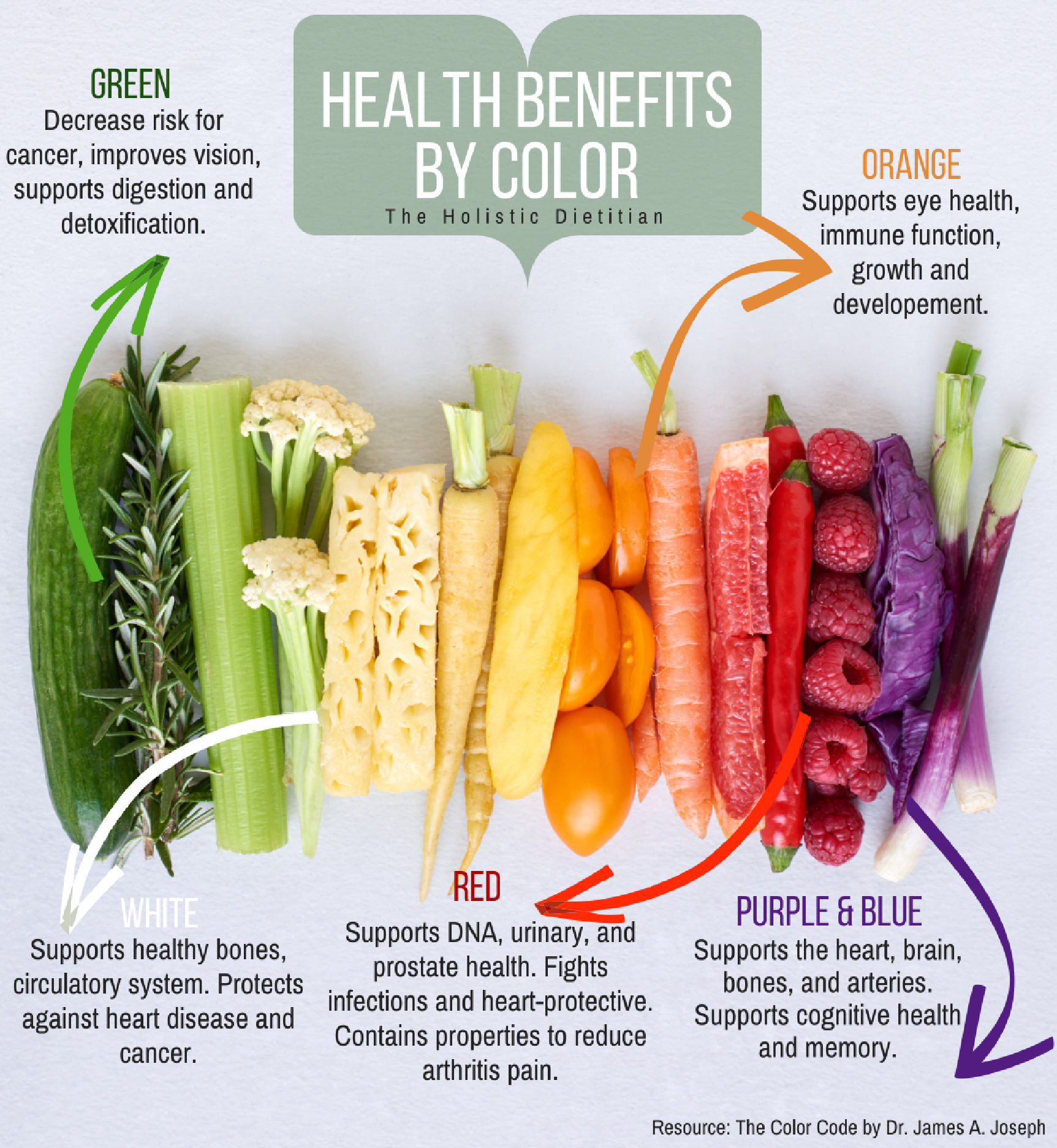
This can be as simple as teaching by color, “orange food helps you see in the dark,” or “meat makes your muscles strong so you can run faster.”

Along with this is guiding your child to begin associating foods with their feelings. A good starting place is to help them identify how hunger affects their mood. If they have meltdowns when they’re hungry or tired and feel better after eating something nourishing, point this out to them. 

This could sound like, “I noticed you seem happier after eating that snack. Do you think that when you’re hungry, it makes you feel grumpy?”

Then, you can begin helping them see the association between eating sugary foods and their mood. Just like adults, kids’ blood sugar can spike and crash when eating too many refined carbohydrates like gummies, crackers, and fruit juice. These sugar highs and lows can directly affect mood and energy levels, resulting in tantrums, emotional outbursts, or stomach aches. 

If you want to dive into the science behind how food nourishes our body, mind, and spirit, my holistic homeschool nutrition curriculum for first through sixth graders will teach you all of this and more. 
Click here to receive a free lesson and see if the program is the right fit for your family.

Don’t give up on your picky eater

A common mistake with picky eating is giving up: “Oh, my child won’t eat that. They only like X, Y, Z.”

And then only X, Y, and Z are served.
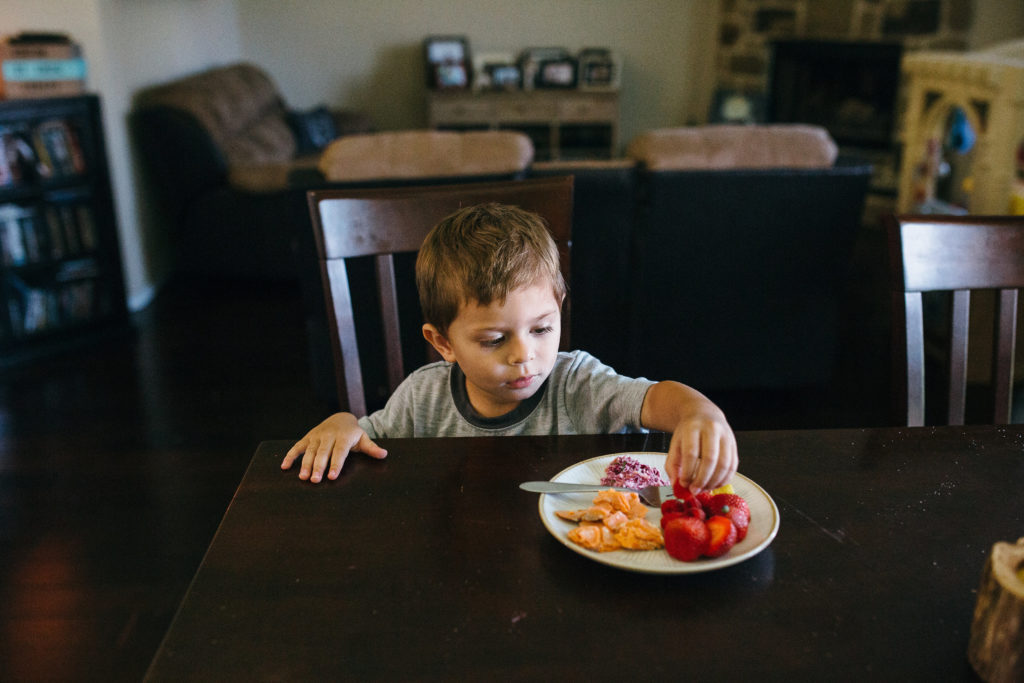
picky eaters recipes

This further limits what your child is exposed to and can make picky eating worse. 

Even if you are making a recipe you aren’t sure your child will like, put a small portion on their plate or offer them a serving. Give them the opportunity to say no (or yes!) instead of answering for them. 

Offer them the new food, along with a portion of healthy food on their “approved list.” Let them know they can taste the new food if they want, but the choice is theirs. 

Hearing no over and over is so frustrating, but remember that taste preferences change over time. Eventually, your picky eater will probably taste that food and like it—it just may take a while. 

Let them help in the kitchen

Similar to letting them help with the weekly shopping, letting your picky eater help prepare a meal helps them feel in control. Kids are often very excited to try whatever they make and are proud to share with others. 
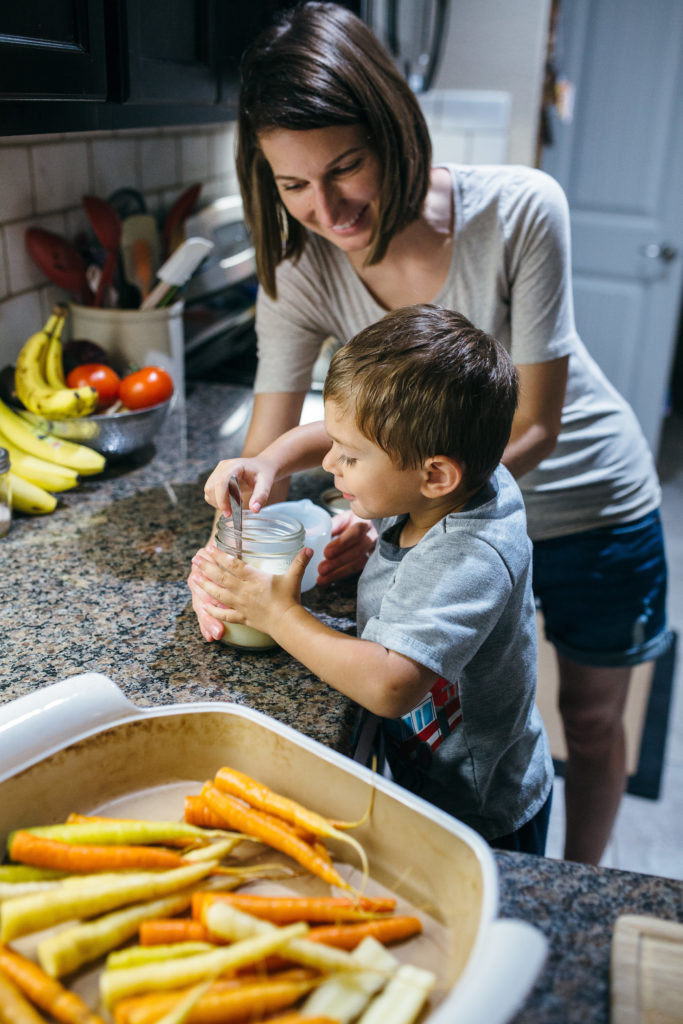
picky eaters recipes

If you haven’t cooked with children before, you deserve a fair warning—it can be stressful. 

Depending on your personality type, cooking with kids requires a relaxed and fun mood. Things will get messy. So, if you are already having a stressful day, inviting kids into the kitchen might not be the best idea. Plan for a day when you have spare time and pick a recipe that doesn’t require perfection. This will ensure you and your little chef both have a wonderful experience. 

Kids love to cook, and they love to help. This means that they are usually happy with a small task. Measuring, mixing, and even chopping (I love these kid-safe knives) are great jobs for kids. If the ingredient is safe to eat raw, let them nibble as they cook. 

Cooking together can help your child discover new tastes, and they might realize they actually like the raw form of a food that they usually despise when cooked. For instance, raw broccoli has a different flavor and texture than roasted or steamed broccoli. 

Experimenting with different shapes, textures, and combinations can also help win over picky eaters. Shredded carrots may be more fun to eat than carrot sticks, and peaches or bananas may be more appealing when dipped in cinnamon.

My go-to picky eaters recipes

My favorite kid-approved recipe is…

Edible Protein-Packed Cookie Dough
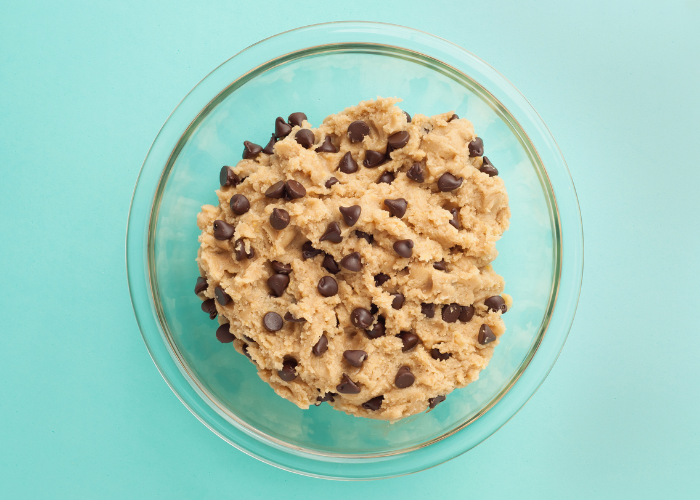
picky eaters recipes

INGREDIENTS

  • 1/2 cup almond flour
  • 2 tablespoons grass-fed butter or coconut oil
  • 1 tablespoons pure maple syrup
  • 1/8 teaspoon vanilla extract
  • Pinch of Himalayan sea salt
  • 1/4 cup collagen powder
  • 2 tablespoons dark chocolate chips

DIRECTIONS

  1. Combine all ingredients except the chocolate chips into a blender. Blend until well mixed.
  2. Add dark chocolate chips and stir until combined.
  3. Enjoy!

NOTES: Experiment with other mix-ins including nuts, sprinkles, cacao powder, and coconut shreds.

Do you have any tried and true tips for picky eaters? Share with us below!
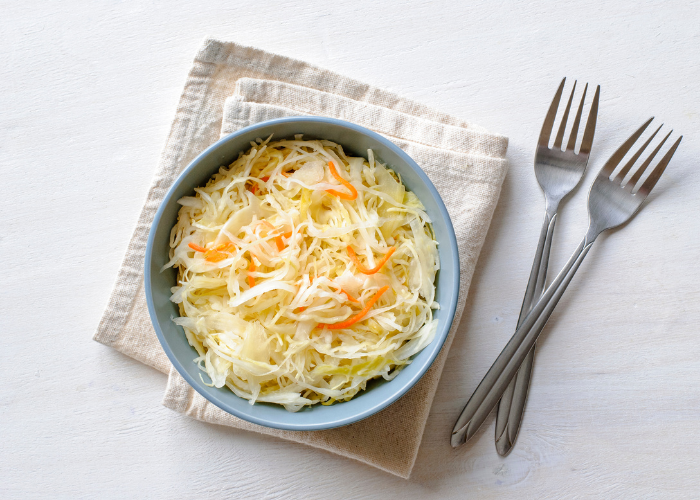
sauerkraut is good for you

Sauerkraut and other fermented foods such as yogurt, kefir, and kvass are considered some of the first (good for you!) processed food products consumed by humans. They have been a food staple of nearly all cultures for thousands of years. 

Once upon a time, fermentation—when Lactobacillus bacteria beneficially alters food—was one of only a few methods of preservation to prevent food-borne illness. Of course, it is likely that our ancestors also recognized the extraordinary healing properties of these lacto-fermented foods and drinks.

We have now proven with research that sauerkraut is good for you. The benefits of sauerkraut and other fermented foods are primarily due to the variety of beneficial microbes and the enhanced nutritional bioavailability of ferments. Yep, fermented veggies and dairy products provide more nutrients, particularly antioxidants, than their non-fermented counterparts (1).

What is fermented food?

The fermentation of food is a metabolic process where microbes, such as yeasts and bacteria beneficially change the original food. 

sauerkraut is good for you

When a food is fermented in a controlled environment, such as a clean home kitchen, it allows these beneficial microbes to flourish, preventing the overgrowth of pathogenic microbes (the ones that can make you sick). 

The more popular name for these beneficial microbes is probiotics. Probiotics are good for us because they can improve gut health and the health of our whole body. Our gut is home to trillions of bacteria, yeasts, and fungi that are vitally important due to their roles in nutrient absorption, immune function, and even the way our brains work and perceive the outside world. These bugs are collectively called the microbiome. 

Eating probiotic-rich foods is a great way to support our microbiome. The fermentation process also provides protein-digesting enzymes, or proteases, that enhance nutrient bioavailability and make food easier to digest. 

Sauerkraut is good for you…and so are other fermented foods!

Research has shown us that fermented foods and beverages provide numerous health benefits such as better blood sugar levels, lower cholesterol, stronger bones, a happier mood, and a healthier gut (2). 

Gut health, specifically, is essential for the health of our entire body. The health of the gut begins developing in utero, and our children’s gut flora plays a big part in their chances of developing issues like asthma and allergies, obesity, and inflammatory bowel disease (2). 

If you have been hesitant to make your own fermented food because it sounds too complex, let me reassure you, it’s easier than making a batch of pancakes. Of course, just like any recipe, you can make it as difficult as you want to, but most fermented food is just the original food plus salt and spices. 

Almost any food can be fermented, and there are thousands of varieties of fermented foods. Sauerkraut is one of the best-known ferments. Originating in China over 2,000 years ago and eventually making its way to Eastern Europe, sauerkraut is now primarily associated with German culture. And sauerkraut is just cabbage and salt! 

sauerkraut is good for you

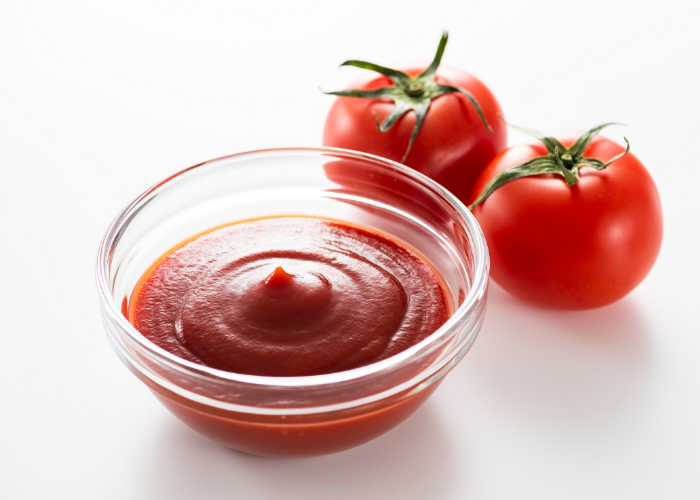
Amazingly, another well-known ferment is ketchup, although the sweetened condiment that most of us are used to is nothing like the original fermented version. Originally, ketchup was very savory, and the key ingredient was fermented fish! That being said, some fermented foods are an acquired taste. But once you get a taste for them, you will begin to crave the sour, salty, and umami flavors. 

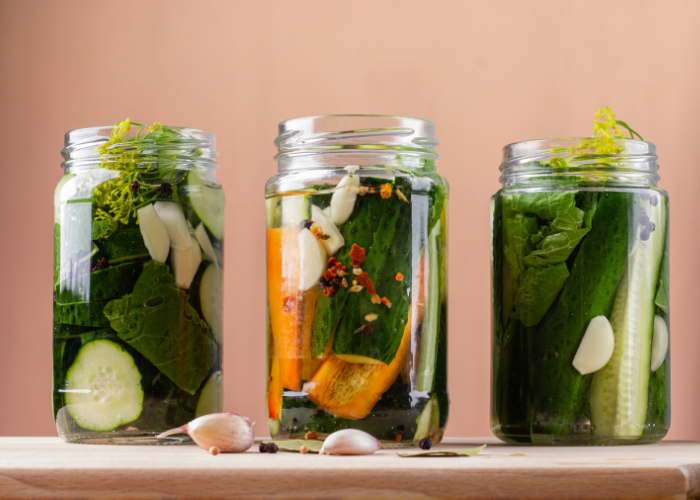
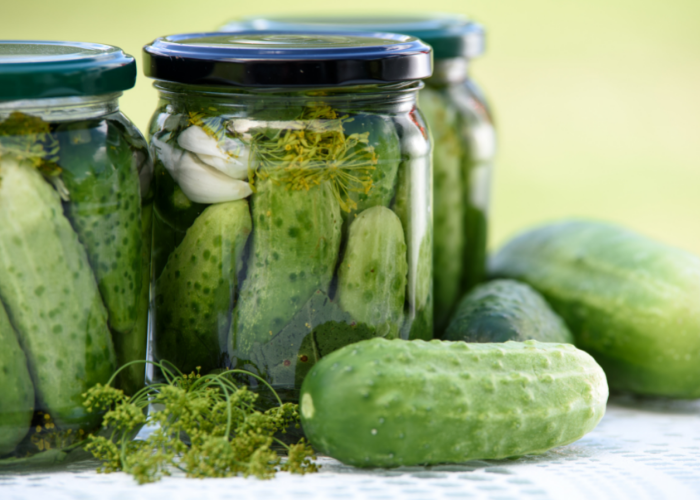
My family’s favorite fermented food is pickles. They are a big hit in our home and a simple enough recipe for the kids to make themselves—no heat is required. 

The hardest part is waiting for the finished product! You will have to wait about two weeks for them to be ready. But I promise it is completely worth it. We love to turn pickle making into a fun science experiment, observing the jar each day to look for bubbles or any other signs of the fermentation process. 

These probiotic-packed pickles do not last long in our home, so we usually make a couple of batches at once or start a new batch as soon as the first one is ready. 

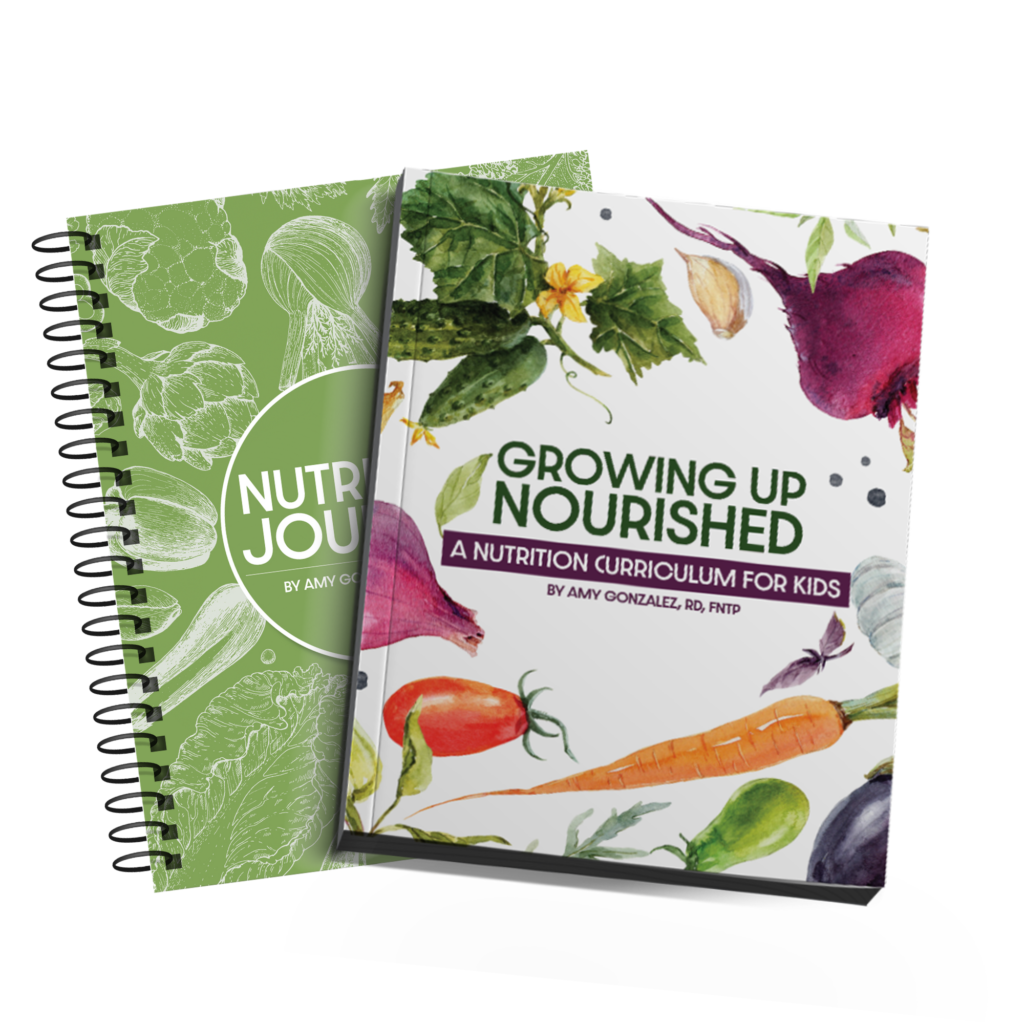
This recipe is straight from my holistic, homeschool nutrition curriculum, Growing Up Nourished: A Nutrition Curriculum for Kids. Click here to receive a free lesson and see if the program is the right fit for your family.

I hope you love these probiotic pickles as much as we do. Be sure to let me know what you think in the comment section below!

Easy Dill Probiotic Pickles

INGREDIENTS:

sauerkraut is good for you
  • 1 pound pickling cucumbers
  • 2 1/2 cups non-chlorinated water
  • 1 tablespoons Himilayan sea salt
  • 4 garlic cloves, sliced
  • 1/2 teaspoon peppercorn
  • 1/2 teaspoon mustard seed
  • 1/2 teaspoon coriander seeds
  • Handful of fresh dill
  • 1-quart mason jar

DIRECTIONS:

  1. Wash cucumbers. Scrub the blossom side well or cut off. The bloom contains enzymes that makes pickles soft.
  2. Make the brine by mixing water and sea salt until dissolved.
  3. In a clean quart jars, layer the spices and cucumbers, tightly packing them in to the jar. Add garlic and top with dill.
  4. Pour the brine over the cucumbers, pressing down so that everything is sumberged with about 1 inch of headspace. Use a fermentation weight or a ziplock bag with a little water inside to hold the contents below the brine.
  5. Cover jar with a loose lid and place in a cool dark place for at least 3-7 days. For more sour pickles, let ferment for 2-3 weeks. You have life when it starts bubbling and the liquid turns cloudy. After the pickles reach your desired taste preference, store in the refrigerator.

  1. https://www.ncbi.nlm.nih.gov/pmc/articles/PMC6567126/ 
  2. https://www.sciencedirect.com/science/article/abs/pii/S095816691630266X?via%3Dihub
  3. https://pubmed.ncbi.nlm.nih.gov/30384950/
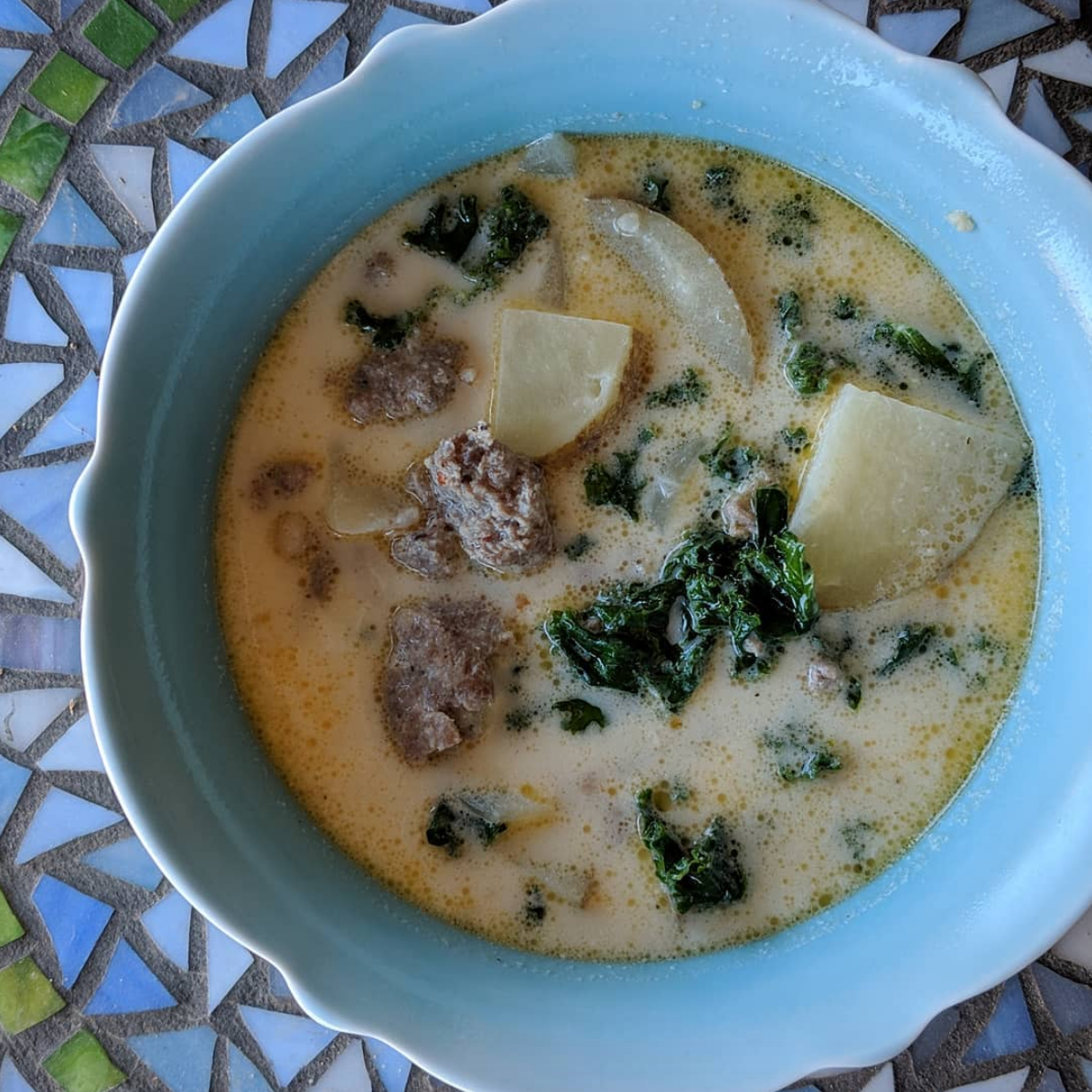
Screen Shot 2020-01-13 at 8.43.03 PM.png

INGREDIENTS

1 lb ground sausage
1 medium onion, chopped
4 cloves garlic, minced
6 cups chicken bone broth
2 red or russet potatoes, diced (swap out with cauliflower to make RESTART-compliant)
1 bunch of kale, de-stemmed and roughly chopped
1 cup coconut milk
salt and pepper

DIRECTIONS

1.    In a large skillet, brown sausage. In the last 5 minutes of cooking, add the onion and garlic. Once sausage is fully cooked, remove from heat.

2.   In a large pot, add bone broth and potatoes. Bring to boil and cook until potatoes are tender, about 10 minutes.

3.   Add kale and coconut milk to broth and let simmer for 2-3 minutes, stirring occasionally, until kale is softened.

4.  Remove from heat and serve!

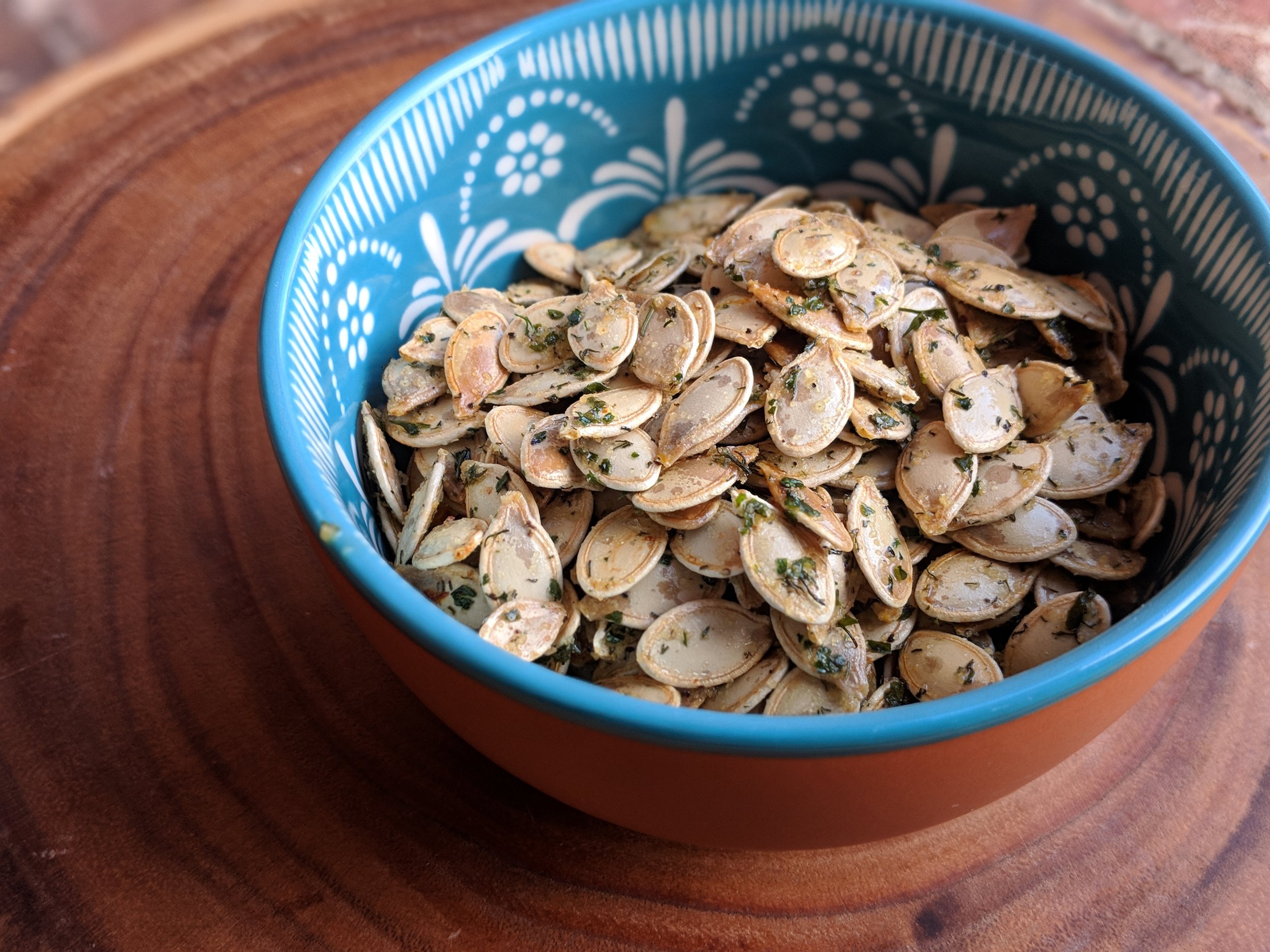
Carving a pumpkin? Don’t toss the seeds. Here is a recipe to use those pumpkin seeds. Pumpkin seeds are packed with antioxidants and minerals including zinc, mangesium, and manganese.

2.jpg

Ingredients:
1 medium pumpkin or approximately 1 1/2 cups raw unsalted pumpkin seeds
1/2 Tbsp coconut oil
1 Tbsp butter
1 tsp dried minced onion
1 tsp garlic powder
1/2 tsp dried parsley
1/2 tsp dried dill
Salt
Pepper

Directions:
1. Heat oven to 300 degrees.
2. Cut open pumpkin and scoop out the seeds, collecting them in a bowl.
3. Fill the bowl up with cold water and swish it around a bit to help separate the seeds from the guts.
4. Dry the seeds by laying the seeds on a dish cloth and patting to dry.
5. Use the coconut oil to grease a baking sheet. Spread pumpkin seeds evenly across sheet. Bake for 30 minutes, until dry.
6. Toss seeds with seasoning and butter. Spread back out on baking sheet and bake for another 10 minutes. Let cool then enjoy!

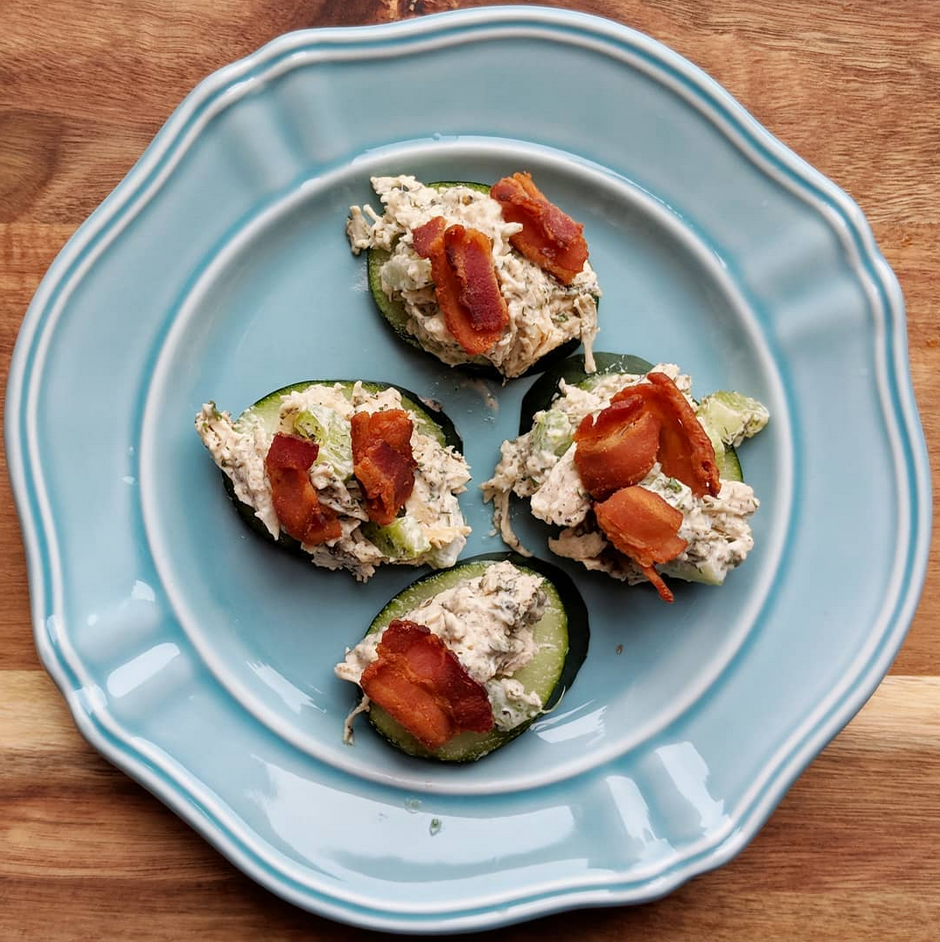
Screen Shot 2018-11-04 at 2.41.07 PM.png

How come everything is so much cuter when bite-sized?

Ingredients:
One pound cooked chicken breast, shredded
1/2 cup mayo (I used @primalkitchenfoods mayo)
1/2 cup celery, diced
1/4 tsp pepper
1/4 tsp salt
1/4 tsp dried dill
1/4 tsp dried parsley
Cooked bacon, crumbled
Cucumber, sliced

Directions:
1. Mix chicken, mayo, celery, and seasonings till well blended.
2. Spoon out chicken salad over cucumber slices. Top with bacon. Enjoy!

Hint: I threw my chicken breast in a slow cooker on low for about 4 hours. Once cooked through, I simply took my tongs and shredded the chicken and placed in the fridge to cool. You can also use any leftover shredded chicken from other recipes!

radishbites

I recreated this appetizer after sampling something similar at Natural Grocers. I couldn’t find their recipe, so I created my own!

Ingredients:
Thinly sliced radishes
Raw cheese
Chutney (bonus points if you use fermented chutney! Mine was just what I grabbed from Central Market)

Directions:
Layer radish, cheese, and a bit of chutney for a delicious appetizer treat!

We all know the struggle: 

It’s the holidays, and everyone is bringing over their favorite “guilty-pleasure” dishes. For those of us who have food sensitivities or restrictions, it can be kind of an adventure to navigate through the maze of lemon icebox pies, store-bought hot dogs, and all the gluten you could ask for. You want your cake, and you want to eat it now! 

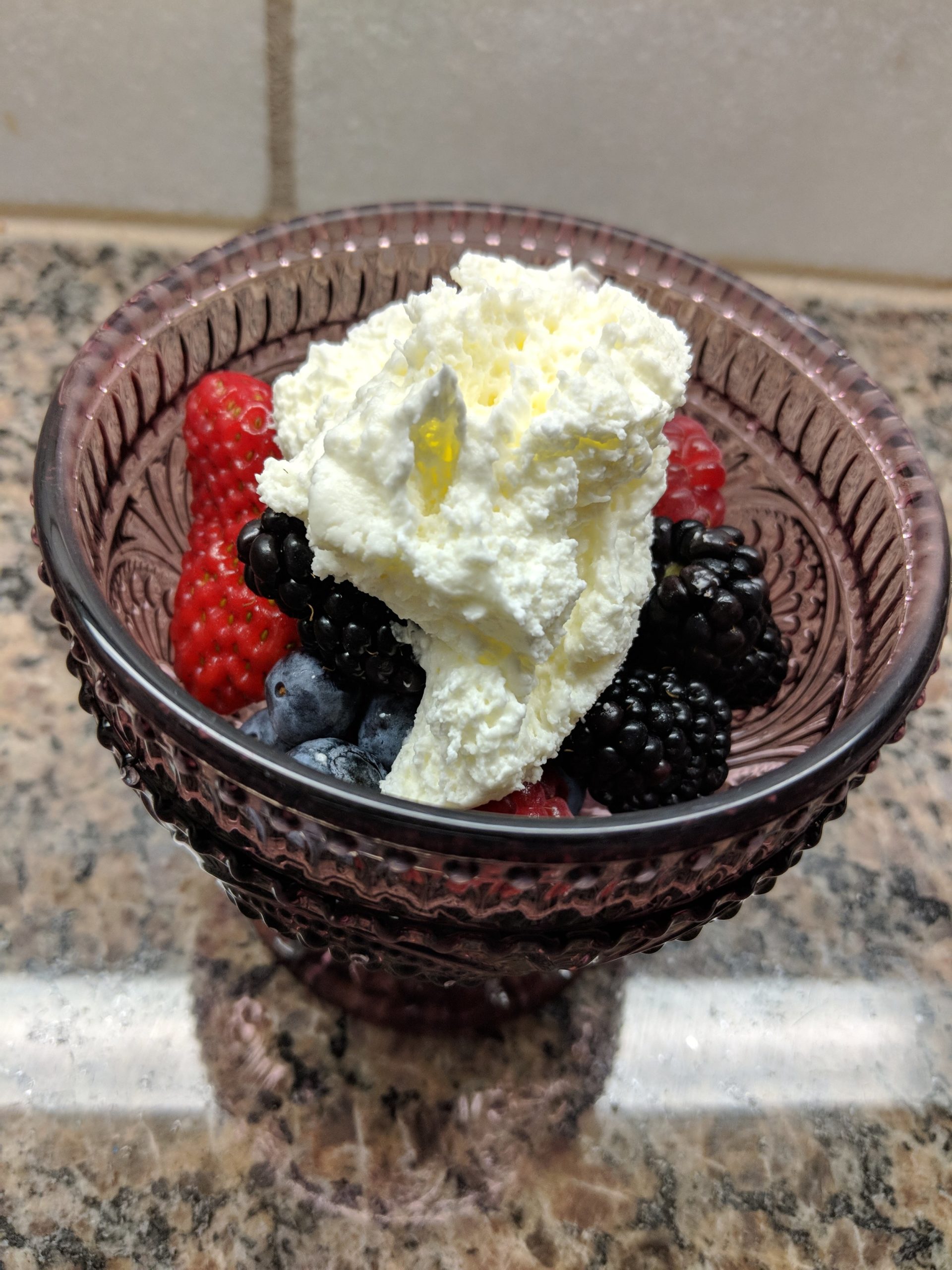
grassfed whipped cream bowl.jpg

I’ve been there, and every holiday spent with family was a real challenge when I was trying to “stick to my routine.” But letting loose in your regular food intake every once in a while is healthy, and I encourage it as a part of mindful eating. This isn’t always the easiest task when it comes to staying sugar free as much as possible, but there are options! 

After picking up some locally-grown berries, I decided to whip up something special and satisfying (without the sugar load). As you can probably tell from my Instagram page, I like to use local ingredients as much as possible. Part of this is because I want to ensure that what I am putting in to my body will not undermine the healing time I have put in for my body. I normally will use ingredients, or foods, that I get from the local farmers in my area. It was made easier to supply my family with the nutrient-dense foods that we needed most by going through a co-op, which is something my husband and I eventually ended up taking on ourselves (and boy, is it nice to have that direct access to farm-fresh food!). 

When it comes to sugar, I like to try and balance things out with some fat or a easily-digestible protein (sprouted nuts or seeds). This time, I decided to lace a little Collagen into my grass-fed goodness that I concocted (as well as making my berry bowls as patriotic as possible). 

Berry Bowls

2 cups cream (check out what we have from Sandy Creek Farms)

Dash of Coconut Sugar (or, if you are completely sugar-free, nothing at all)

1/2 scoop Vital Proteins Collagen Peptides

-Using an electric mixer (or hand beater if you are feeling like a workout), pour the cold cream into the mixing bowl while mixing on high. 

-Next, slowly add the collagen in a constant stream (take it slow to avoid clumping), followed by a touch of sweetener (raw honey, coconut sugar). You can even just add a couple drops of vanilla extract and call it a day! 

Place in the fridge to chill, and slice up your berries or whatever fruit you have on hand. Once the whipped cream has chilled some, layer the berries in your bowls of choice (I didn’t put mine in a small parfait cup, but those work great!) and dollop the cream on top. 

It’s springtime and all the vibrant colors blossoming in the garden is truly breathtaking.

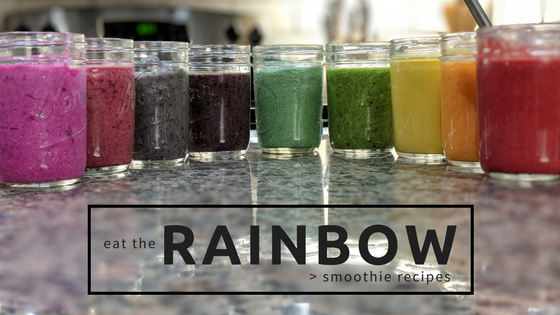
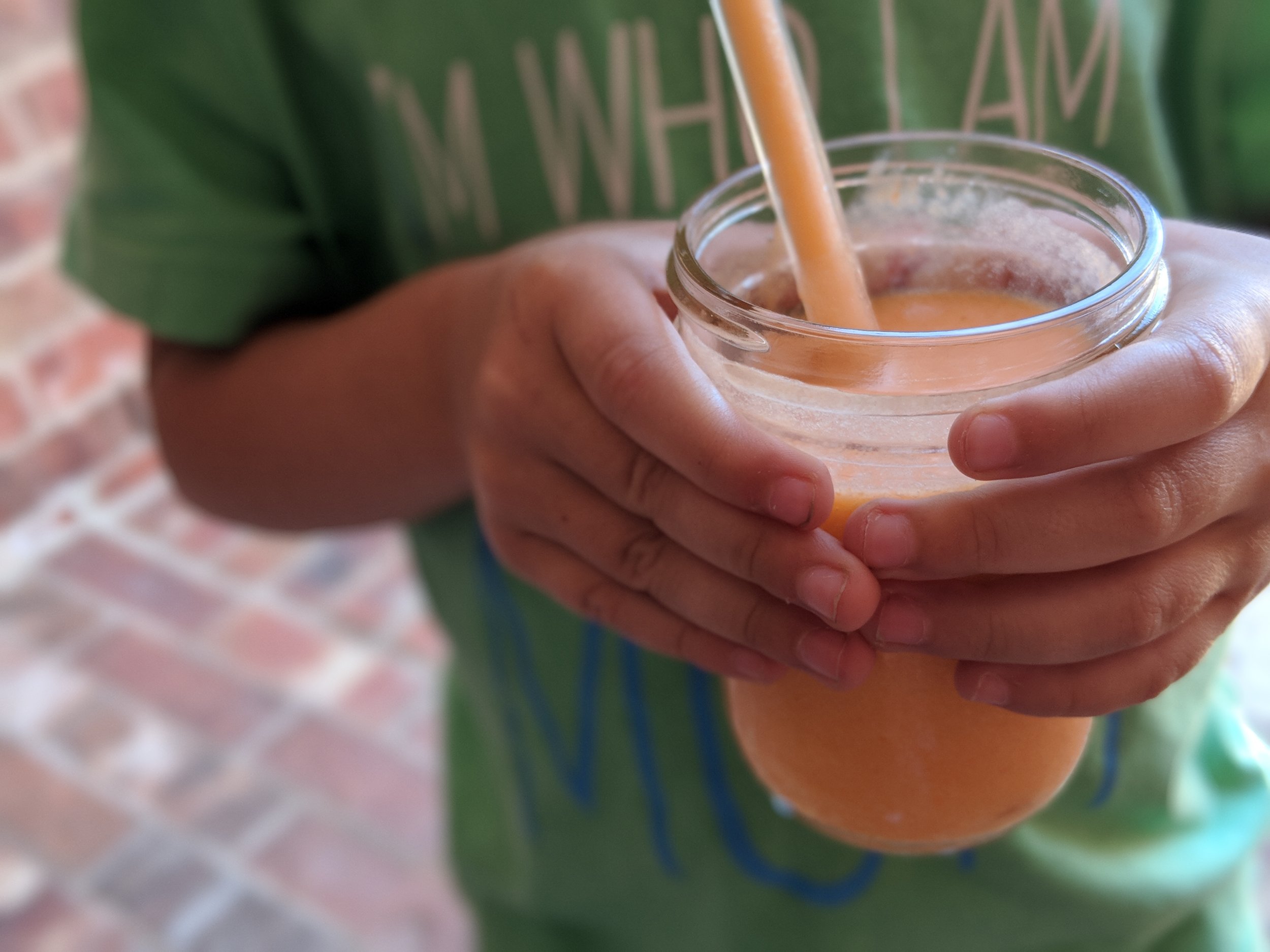
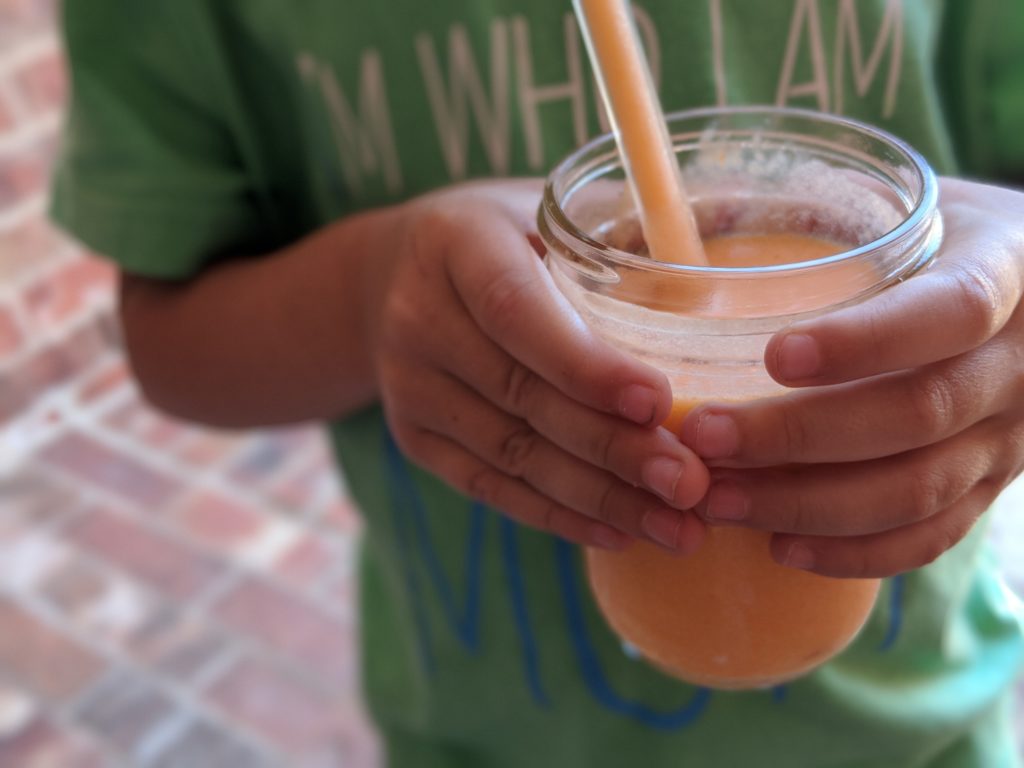
Although I’ve written about my concerns about smoothies being meal replacements and their impacts on digestion (read more here), I’m not completely against them. I still think that we can enjoy them from time to time and that they are actually a great way to get some extra veggies in to our diet. Every time I whip out our NutriBullet, my son asks me for a specific color smoothie. It’s actually become quite the game in that we talk about what color we think each ingredient would turn the smoothie. And then I got this crazy idea. Could I make a smoothie in every color of the rainbow?

hmm..  challenge accepted.

So while creating these recipes, I had a few criteria for these smoothies. I wanted them all to include vegetables. Pure fruit smoothies, especially those with fruit juice, can drive erratic blood sugar. Also, I wanted them to contain a healthy fat source such as nuts, seeds, full-fat yogurt, coconut milk, or coconut butter to further balance the smoothie for optimal blood sugar regulation.

A few notes before we begin,

vegetables color.png
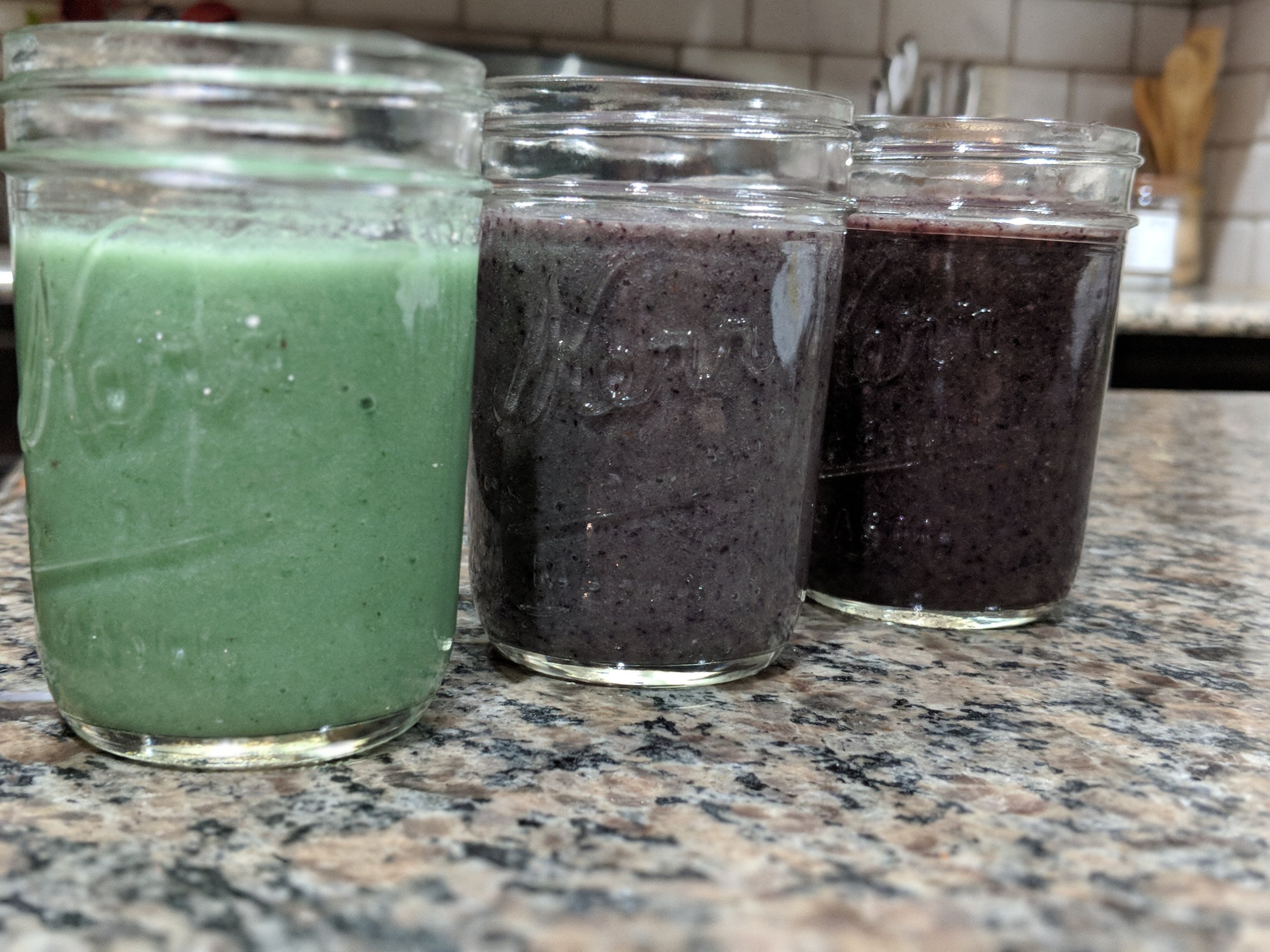
  • I didn’t precisely measure out the ingredients, so these are all eyeballed measurements. In other words, don’t be alarmed if your smoothie turns out a slightly different shade than pictured. Think of it as unique!

  • Each recipes makes roughly one 16 ounce smoothie.

  • For the liquid, feel free to swap out coconut milk, almond milk, or water. I do not suggest juice. My preferred choice is coconut milk because of the fat content. This helps stabilize the blood sugar, provide some healthy fats, and adds some extra creaminess!

  • I’ve listed the ingredients for each color below. Directions remain the same:

Directions:

1. Pick your favorite color!

2. Add all ingredients together in blender.

3. Add desired liquid. Start with about 1/4 cup and add more until you reach your desired consistency.

4. Blend until smooth!

One final note, I wrote these recipes with the intentnion of them providing a starting framework. There are so many ways to get a purple smoothie… find what you enjoy best and don’t be afraid to play around!

Here we go! In order of appearance on the rainbow…


00100dPORTRAIT_00100_BURST20180330170248567_COVER.jpg

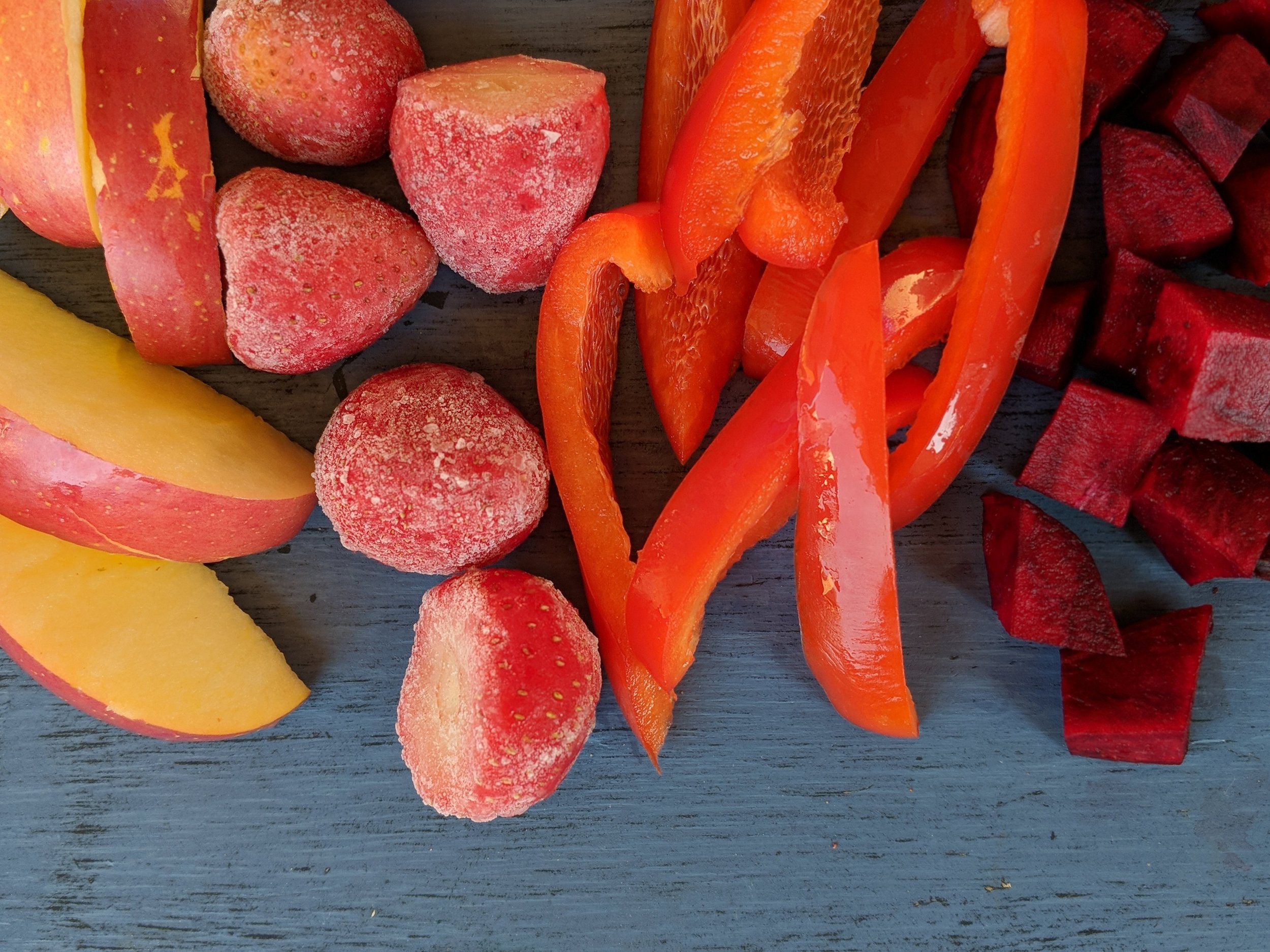
Red

“firetruck red”

Ingredients:
1/2 red apple
1/4 cup strawberries
1/3 cup watermelon
1/3 cup beets, peeled
1/4 cup red bell pepper
Full-fat coconut milk, added to desired consistency

00100dPORTRAIT_00100_BURST20180322141534974_COVER.jpg

Orange

“orange dreamsicle”

Ingredients:
1 orange, peeled
1 banana (I like to keep frozen peeled bananas in the freezer for smoothies)
1/4 cup pineapple
2 large carrots
Full-fat coconut milk, added to desired consistency

00100dPORTRAIT_00100_BURST20180330174227400_COVER.jpg

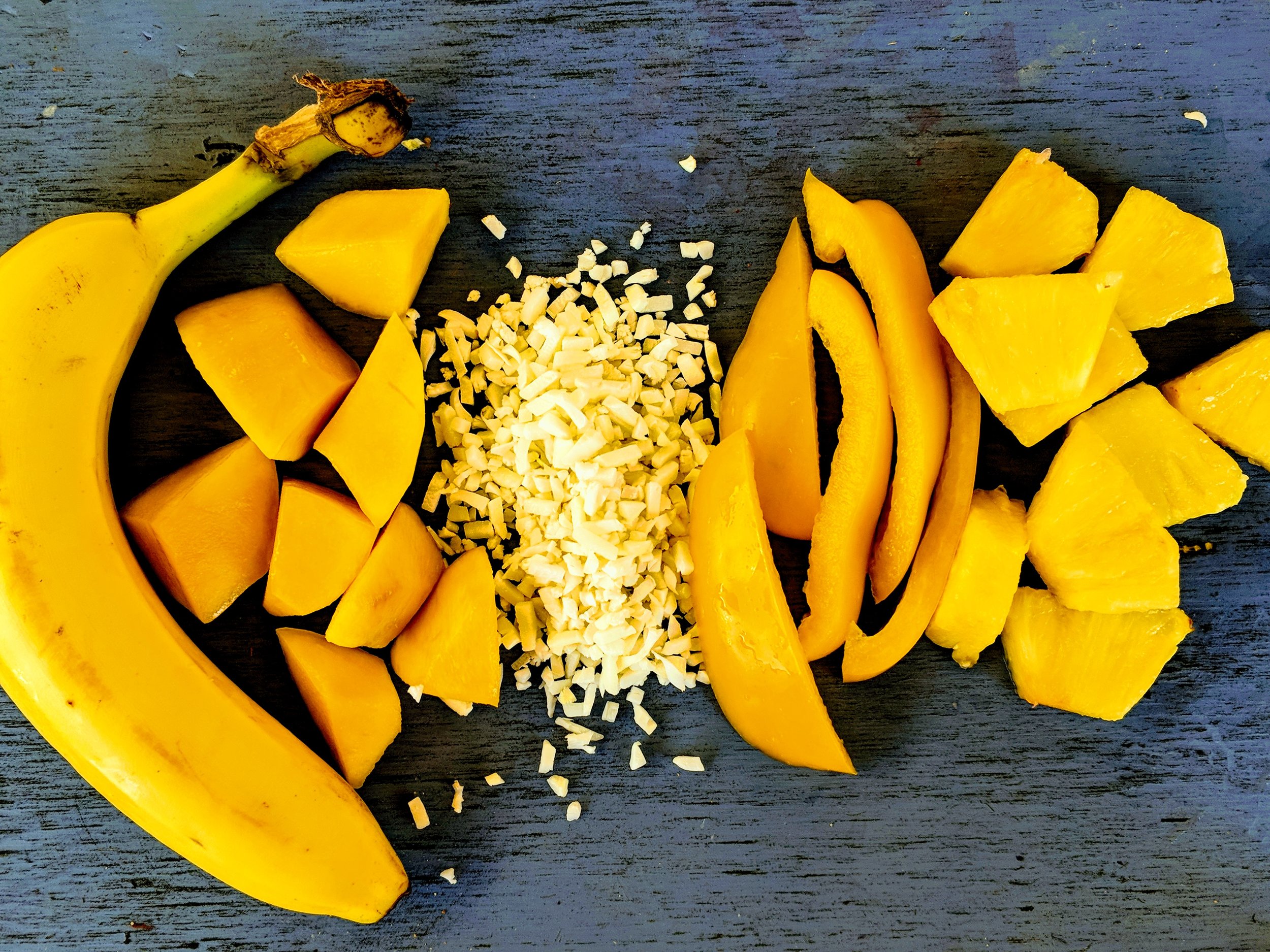
Yellow

“sunshine on a cloudy day”

Ingredients:
1/2 banana
1/4 cup pineapple
1/4 cup mango
1/4 cup yellow bell pepper
1/3 cup cauliflower
Full-fat coconut milk, added to desired consistency


MVIMG_20180320_163025.jpg

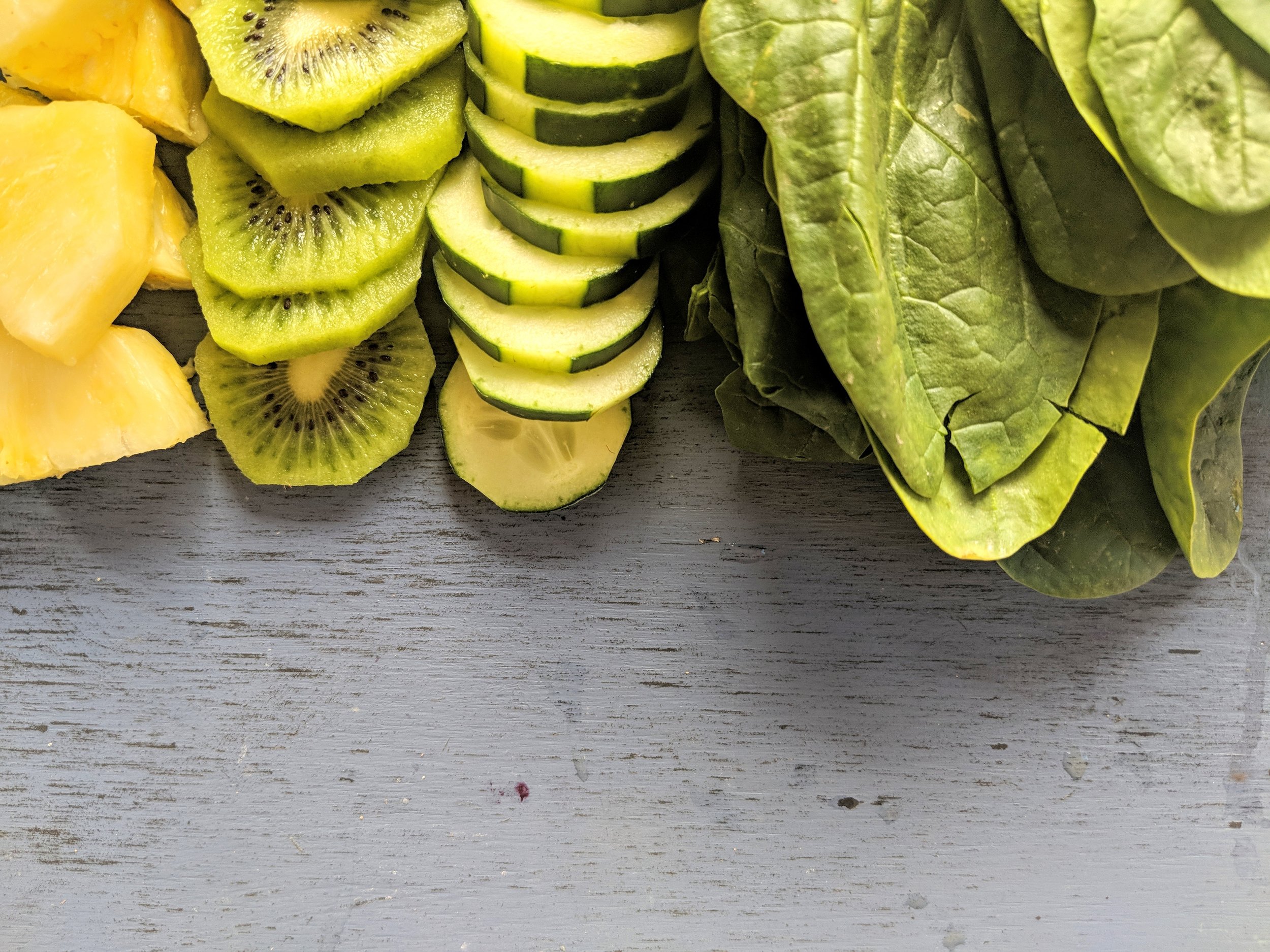
Green

“Classic green”

Ingredients:
1 kiwi, peeled
2 handfuls spinach
1/2 cup cucumber
1/4 cup pineapple
1/2 avocado
Water, added to desired consistency

00100dPORTRAIT_00100_BURST20180325090732450_COVER.jpg

Blue

“robin egg blue”

Ingredients:
1 banana
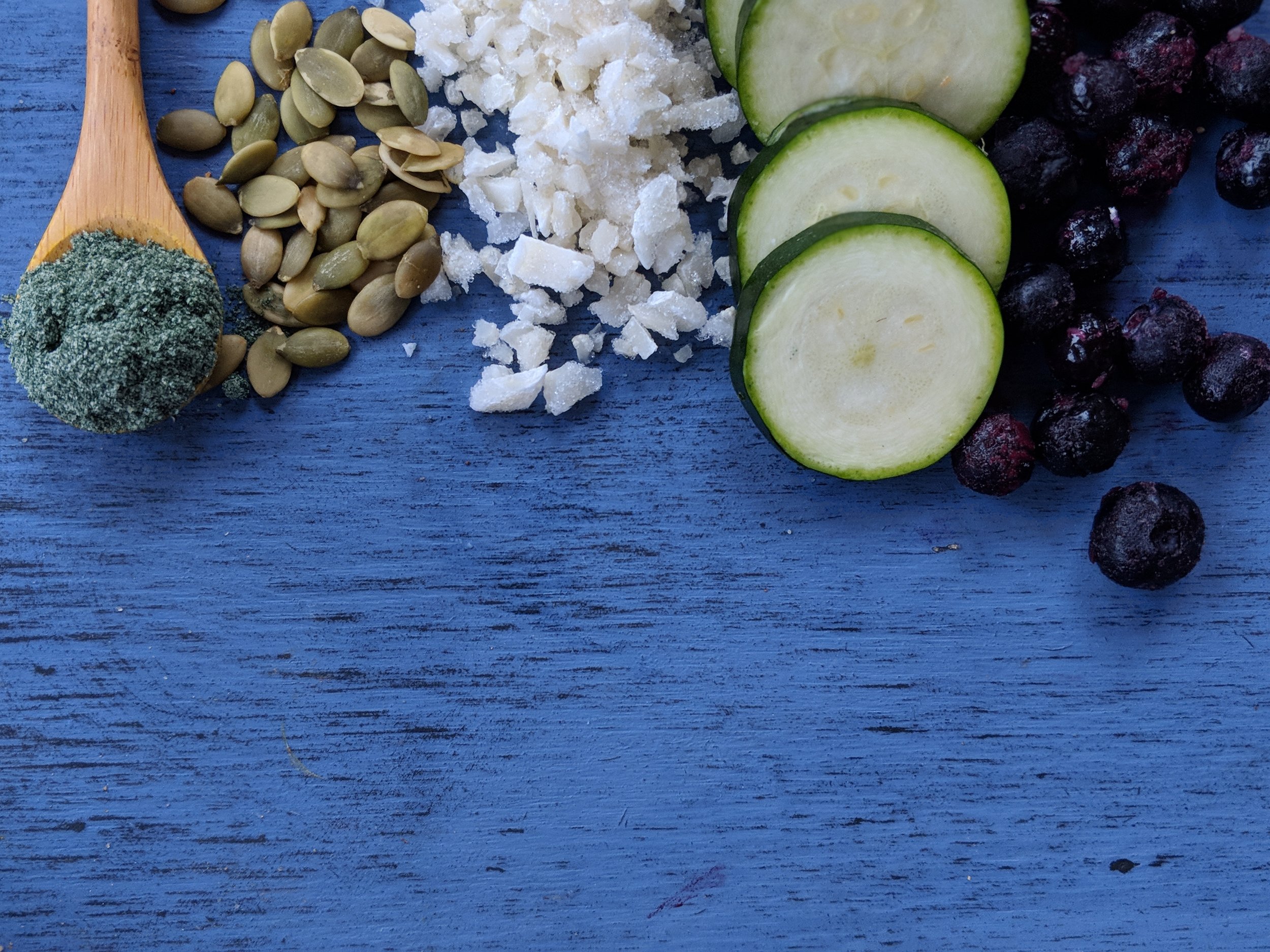
1/4 cup zucchini
1/2 cup cauliflower (I used organic, frozen, “riced” cauliflower)
1 tsp spirulina powder
2 Tbsp coconut butter
Water, added to desired consistency

00100dPORTRAIT_00100_BURST20180325084316292_COVER.jpg

Dark Purple

“powerful purple”

Ingredients:
1 cup blueberries
1/2 banana
1/3 cup zucchini
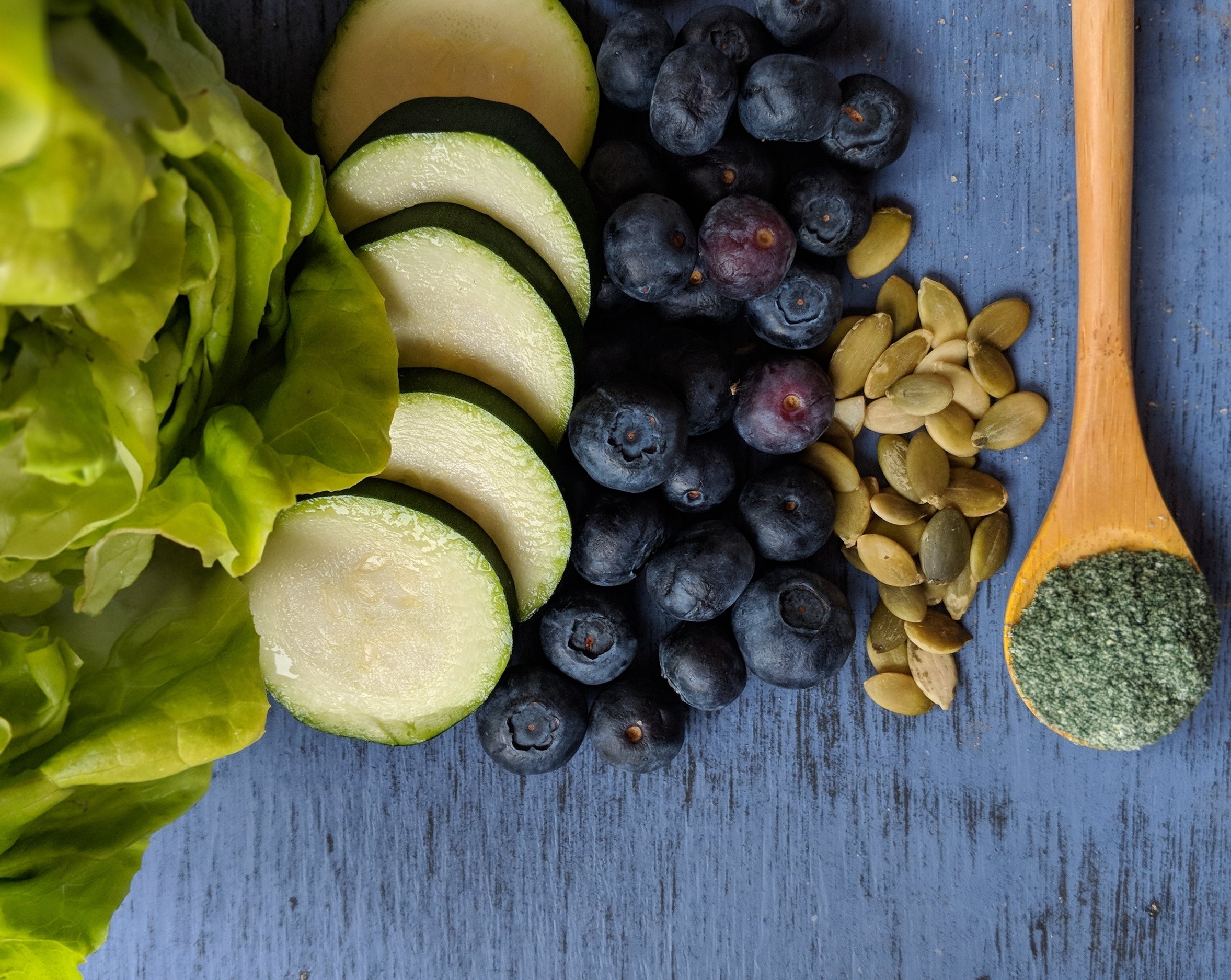
1/3 cup Butter lettuce
1 Tbsp sprouted pumpkin seeds
1 tsp spirulina powder
Coconut milk, added to desired consistency

00100dPORTRAIT_00100_BURST20180325085620922_COVER.jpg

Light Purple

“like purple, but slightly different”

Ingredients:
1/4 cup blueberries
1 banana
1/4 cup zucchini
1/2 cup cauliflower
1 Tbsp sprouted pumpkin seeds
1 tsp spirulina powder
Almond milk, added to desired consistency

00100dPORTRAIT_00100_BURST20180319183511605_COVER.jpg

Magenta

“antioxidants galore”

Ingredients:
1/4 cup beets, peeled
1/4 cup purple cabbage
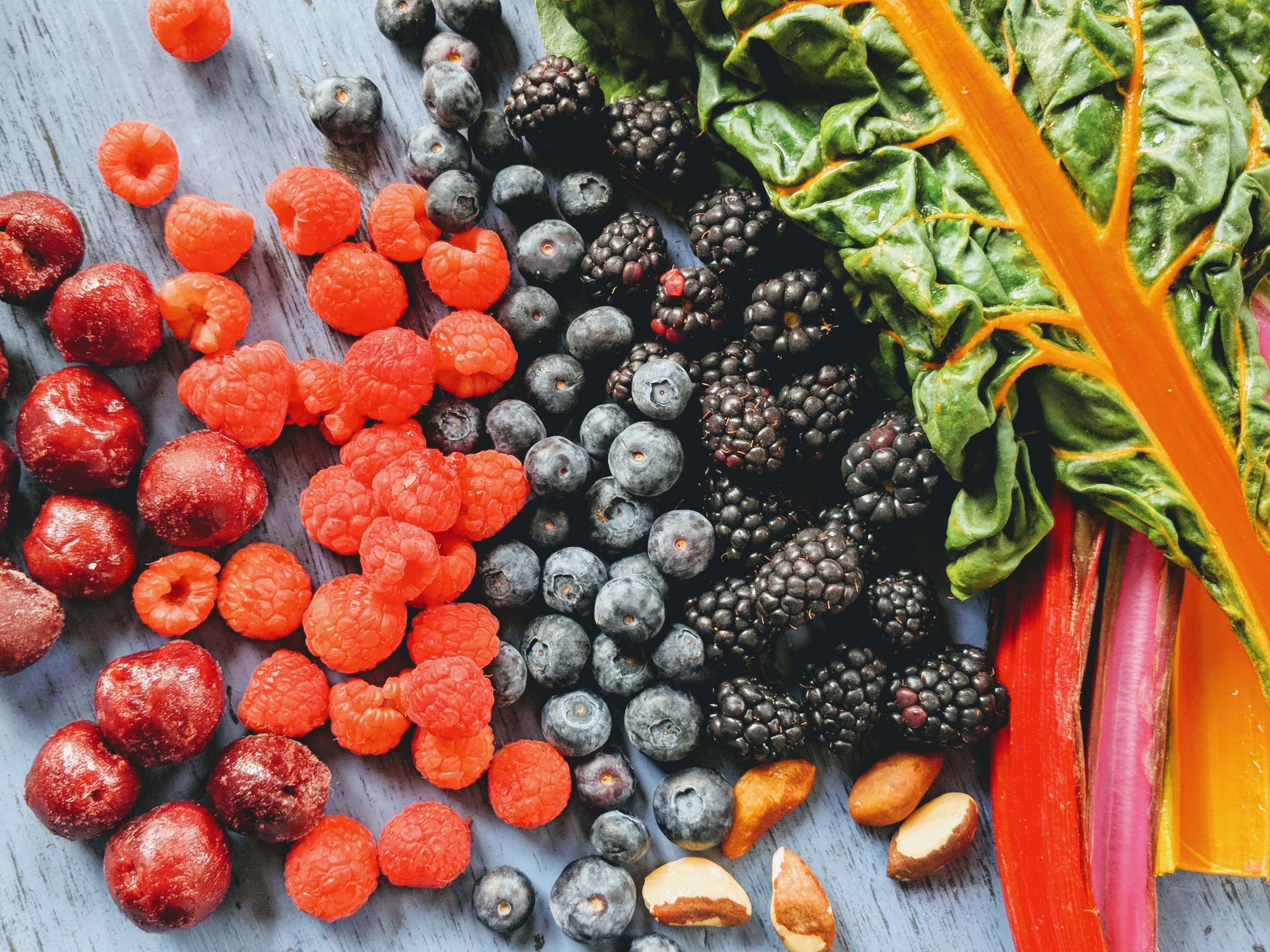
1/2 cup mixed cherries, blueberries, blackberries
1/4 cup full-fat plain yogurt (read shopping for yogurt)
Water, added to desired consistency


00100dPORTRAIT_00100_BURST20180325092117838_COVER.jpg

Pink

Ingredients:
1/4 cup strawberries
1/4 cup dragonfruit or 1 smoothie pack, as shown (optional, but gives a more vibrant pink)
1/2 cup cauliflower (I used organic, frozen, “riced” cauliflower)
1 Tbsp chia seeds
1/2 cup coconut yogurt
Water, added to desired consistency

00100dPORTRAIT_00100_BURST20180330184515511_COVER.jpg
shutterstock_160500116.jpg

The microbe population living within us, including on our skin, within our oral cavity and gut, is what makes up our “microbiome”. Our microbiota contains hundreds trillions of microorganisms, including at least 1000 different species of known bacteria with more than 3 million genes.1 That means that we are more bacteria than we are actually human cells!

The theory is that development of the microbiome begins at birth. Sterile inside the uterus, the newborn’s digestive tract is quickly colonized by microorganisms from the mother, the environment in which the delivery takes place, the air, etc. The infant’s intestinal flora continues to be dependent on how the infant is fed and continues to evolve throughout our entire life, based on different environmental and diet factors.

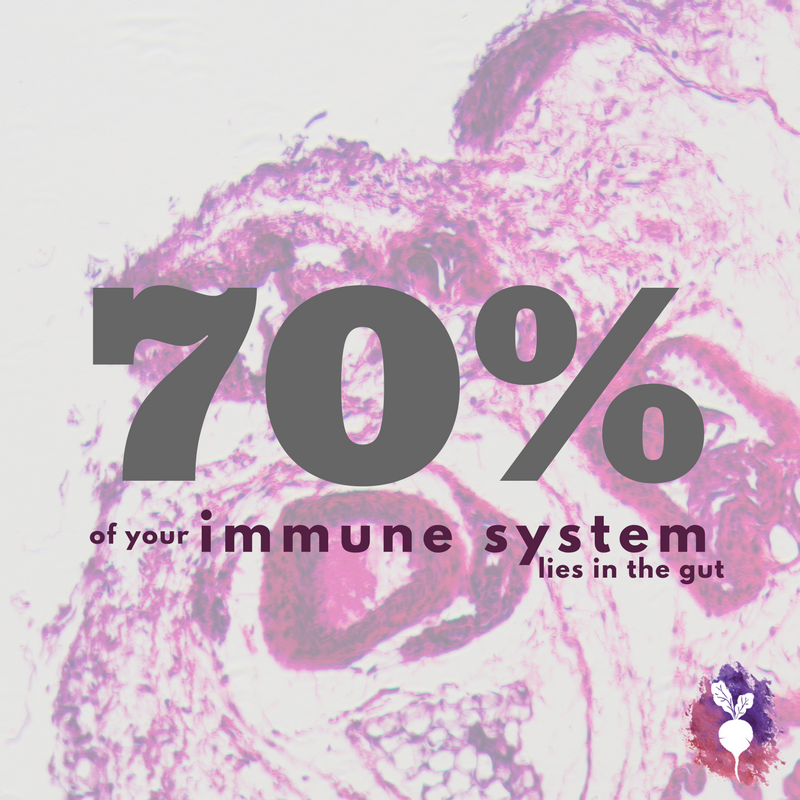
Ever get an upset stomach when stressed or anxious? What is most intriguing is that research is emerging that shows that this communication between the gastrointestinal tract and the brain is bidirectional. Just as an anxious mind can cause an upset stomach, stress in the gut communicates with the brain and can set the stage for brain and related diseases. Just consider the fact that 90% of serotonin (the “feel good hormone”) is created in the gut. Folic acid, B12, Vitamin K, as well as other B vitamins are also created in the gut, which are essential for brain health as well as immune function. A healthy and well diverse ecology in our gut helps control inflammation (the basis of many degenerative conditions), strengthen intestinal wall’s integrity to prevent gut permeability, and produce important chemicals for brain health such as neurotransmitters. No wonder the gut is also know as our “second brain”.2

The diversity of the bacteria living in the gut are key components in determining the risk factors brain disorders and mental illness such autism, multiple sclerosis, Alzheimer’s, dementia, but also cancer, asthma, ADHD, food allergies, metabolic conditions such as diabetes and obesity, and autoimmune diseases.

70%.png

Other Benefits of Healthy Intestinal Flora:
-Production of vitamins and minerals
-Aids in digestion, helps our intestines digest what our body may not be able to digest
-Helps “feed” and “nourish” the large intestine, which does not receive direct blood supply
-Defends us against other aggressive, potentially hazardous microorganisms
-Support urinary health, and reduce urinary tract infections
-Helps keep our digestive tract running smoothly and can even alleviate intestinal symptoms, such as abdominal pain, cramps, bloating, diarrhea, and constipation
-Strengthen our immune system, and even reducing allergies!
-Support women’s health by reducing infections as well as “seeding” the microbiome of the newborn.
-Reduce inflammation and inflammatory-diseases
-Reduce the risk for brain-related diseases
-Related to behaviors, depression, anxiety

A loss of healthy balance in the intestinal microbiota is called “dysbiosis”. Dysbiosis may be linked to health problems such as functional bowel disorders, inflammatory bowel disease, allergies, obesity and diabetes.  Including foods that contain probiotics will help repopulate the intestines with healthy bacteria.  Prebiotics, or the “food” for beneficial bacteria, help to allow growth of the “good” bacteria. Rebalancing the population of bacteria includes consideration of health history, lifestyle, diet, and environmental factors. Working with a Registered Dietitian who specializes in functional nutrition will aid in supporting the imbalances within the gastrointestinal system and assist in supporting the integrity of the intestines and their microbiota.


Probioticruby red apple sauce.png

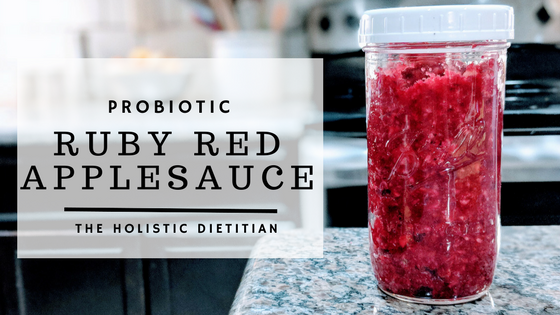
My kid loves this applesauce. Not only does it offer probiotics, but the rich red color comes from beets, which supports the liver and gallbladder and offers an array of nutrients including folate, vitamin c, magnesium, iron, phosphorus, and fiber. They have been shown to reduce blood pressure, fight inflammation, contain anti-cancer properties, and support detoxification. Your liver will love you for eating beets.

For the starter, I actually used my favorite non-dairy option: juice kefir drink, Ether Elixir, made by a local Fort Worth company. If you’re local to me, you can also purchase it through our local Buyers Club, ROCK Farmers Market. For this recipe, I used the beet flavor, because it was just appropriate!

INGREDIENTS
6-7 medium apples
1 small beet
2 Tbsp whey or water kefir
1 tsp cinnamon
1 tsp Himalayan sea salt

PREPARATION

1.     Peel, core, and chop apples into chunks. Peel and chop beets.

2.     Process in blender or food processor until blended to desired consistency.

3.     Mix in whey, cinnamon, and salt.

4.     Pour applesauce into quart-sized jar, ensuring to leave an inch of headspace. Cover tightly with lid or coffee filter secured with rubber band.

5.     Leave at room temperature for 1-3 days. If using a tight lid, be sure to burp the jar daily to release pressure.

6.     Move to cold storage and enjoy! Stays good in the fridge for 2 months.

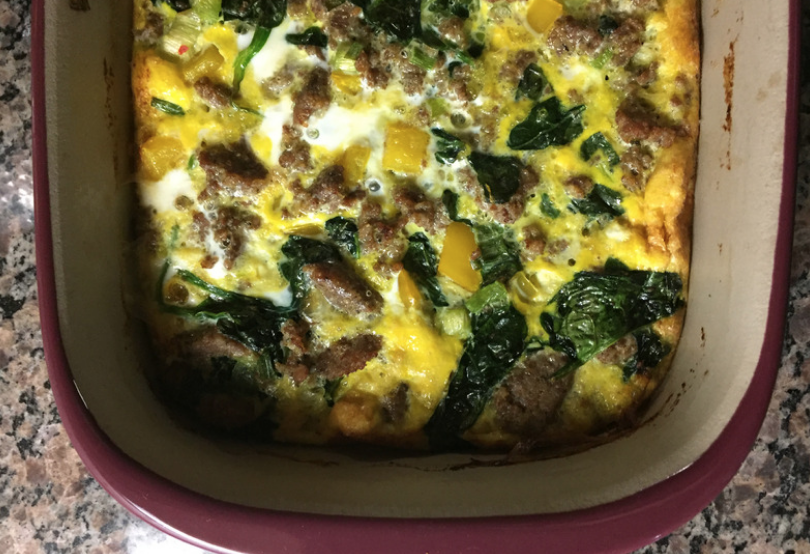
Breakfast Bake

INGREDIENTS:
1 pound sausage
2 cups sliced mushrooms
6 green onions, sliced
1 bell pepper, diced
1 tablespoon basil, chopped
16 ounces spinach, chopped
sea salt
10 eggs

PREPARATION:

1. Preheat oven to 350 degrees. In a medium skillet over medium heat, brown and crumble sausage.

3. Add mushrooms and cook about 5 minutes or until soft, stirring occasionally. Add remaining vegetables, herbs, and salt and cook about 2 minutes or until slightly softened and well combined. Pour mixture into a 9×13″ pan.

3. Crack eggs into a medium bowl and whisk well. Pour over sausage-vegetable mixture and bake 25-30 minutes until fully cooked.