The Afternoon Slump: Understanding and Overcoming Your Midday Energy Crash

Picture this: it’s the middle of the afternoon, and you’re sitting at your desk when you feel it – a wave of exhaustion that washes over you, leaving you struggling to concentrate or even keep your eyes open. Your motivation and productivity take a nosedive. This midday energy crash, also known as the ‘afternoon slump,’ has become a frustratingly regular part of your daily routine. You’re not alone – many people experience this decline in energy partway through the day. But what if it didn’t have to be this way?

Is The Afternoon Energy Crash Normal?

A slight dip in energy can be a normal physiological response to circadian rhythms, post-lunch digestion, and changing levels of hormones. However, if your afternoon fatigue is severe, persistent, and impacting your productivity or quality of life, it’s not something you should overlook. Dips in energy can be a sign of underlying health issues, dietary deficiencies, or lifestyle factors that need to be addressed.

The 5 Main Reasons Your Energy is Crashing in the Afternoon

Understanding the reasons behind your afternoon slump is the first step towards finding solutions. Here are five common factors contributing to your midday energy dip:

Skipping Breakfast or Eating a Nutrient-Poor Breakfast
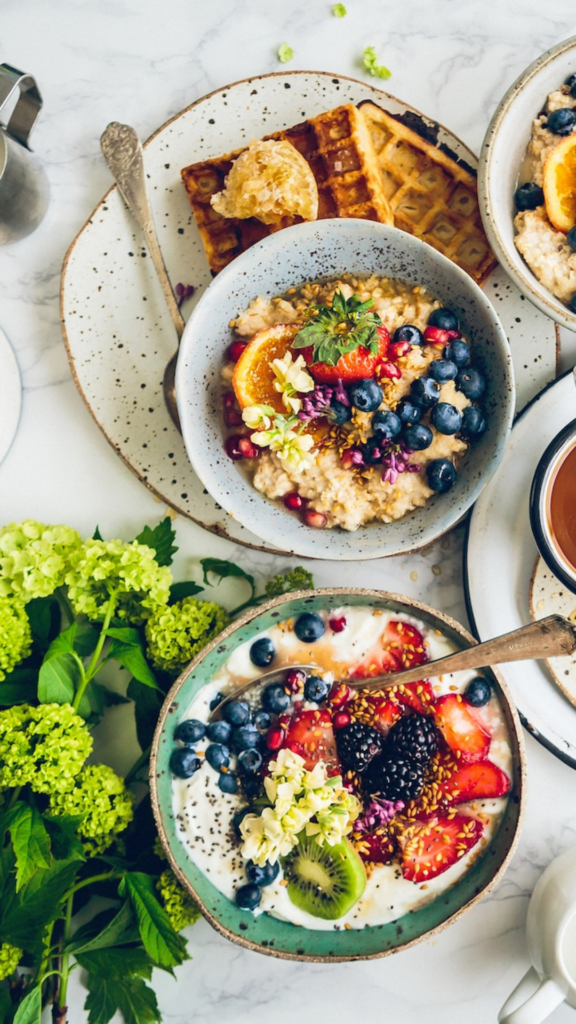
  • Breakfast is the fuel that kicks your metabolism into gear for the day. When you skip it or opt for a nutrient-poor, sugary meal, your body doesn’t have the necessary energy to keep you going. This can result in a significant drop in blood sugar by the afternoon, causing fatigue and an inability to concentrate.
  • A high-sugar breakfast might give you a quick energy boost, but it’s followed by a rapid blood sugar crash, leading to feelings of tiredness and hunger.

Dehydration

  • Dehydration can be a silent energy drainer. Even mild dehydration can cause a significant drop in energy levels. Your body needs enough water to perform its essential functions efficiently. Without it, your physical and mental performance may decline, resulting in the familiar midday slump.

Sedentary Lifestyle

  • Extended periods of sitting or standing can reduce blood circulation, which means your cells receive less oxygen and nutrients. This lack of cellular fuel can lead to feelings of fatigue and a decrease in overall energy levels. A sedentary lifestyle can also lead to weight gain and other health issues, which can further contribute to tiredness.

Chronic Stress

  • Persistent stress can lead to adrenal fatigue. Your adrenal glands are responsible for producing stress hormones that help you deal with stressful situations. When you’re constantly stressed, your adrenals can get overworked, and their hormone production can falter, leading to an energy slump, especially in the afternoon when the day’s stresses have accumulated.

Inadequate Sleep

  • Sleep is crucial for your body’s rest and repair. When you don’t get enough quality sleep, it can throw off your body’s balance of hormones, including those responsible for energy, mood, and appetite. The result? A persistent feeling of tiredness that hits particularly hard in the afternoon.

The Connection Between Your Gut and Afternoon Fatigue

Believe it or not, the health of your gut can play a role in your afternoon energy levels. Here’s how:

  • Your Gut and Energy Production: Your gut is where your body absorbs the nutrients from your food that are used for energy production. If your gut health is compromised, it can impact the absorption of these nutrients, leading to lower energy levels.
  • The Gut-Brain Axis: Your gut and brain communicate regularly through the gut-brain axis. If your gut health is out of balance, it can impact this communication, potentially leading to feelings of fatigue.

Hormonal Imbalances and Afternoon Fatigue

Hormonal imbalances can be a hidden cause of your afternoon slump. Hormones are your body’s chemical messengers, playing a crucial role in regulating most major bodily processes–including energy production. When your hormones are out of balance, it can result in various symptoms, including fatigue.

Thyroid Hormones

  • Thyroid hormones, mainly triiodothyronine (T3) and thyroxine (T4), play a vital role in regulating your metabolism. If your thyroid is underactive (hypothyroidism), it can result in a slow metabolism and cause you to feel tired and sluggish.
  • Even slight imbalances in thyroid hormones, often overlooked in standard blood tests, can lead to fatigue.

Cortisol

  • Cortisol, often known as the “stress hormone,” helps your body respond to stress effectively. It also helps regulate your energy levels. Normally, cortisol levels peak in the morning to help you wake up and gradually decrease throughout the day. However, chronic stress can disrupt this rhythm and lead to imbalances, potentially causing an afternoon energy crash.
  • Conditions like adrenal fatigue or Addison’s disease can also affect cortisol production, leading to persistent fatigue.

Insulin

  • Insulin plays a crucial role in regulating your blood sugar levels. After you eat, your insulin levels rise to help your cells absorb sugar from your bloodstream for energy. However, if you’re insulin-resistant, your cells can’t absorb sugar as effectively. This condition, known as insulin resistance, can lead to fluctuations in energy levels, often manifesting as an afternoon slump.
  • Over time, insulin resistance can lead to higher insulin and blood sugar levels, which can result in type 2 diabetes, a condition often associated with chronic fatigue.

Sex Hormones

  • Imbalances in sex hormones, such as estrogen and progesterone in women and testosterone in men, can also contribute to fatigue. For example, during certain phases of the menstrual cycle, when estrogen levels dip, women may experience fatigue.
  • In men, low levels of testosterone can result in decreased energy, among other symptoms.

Tips to Avoid Afternoon Energy Crashes

No one wants to spend their afternoons in a fog of fatigue. Here are some tips to help you prevent that afternoon slump:

Eat a Balanced Breakfast: Start your day with a balanced meal that includes protein, complex carbohydrates, and healthy fats. These foods are slowly digested, helping to maintain stable blood sugar levels and sustain energy.

Stay Hydrated: Make a habit of drinking water throughout the day. Aim for at least 8 glasses, but remember needs can vary based on your body size, activity level, and environment.

Take Regular Movement Breaks: Avoid sitting or standing in the same position for extended periods. Try to incorporate short bouts of physical activity into your day. Even a brief walk, stretch, or a few flights of stairs can boost blood circulation and help ward off fatigue.

Manage Stress: Utilize techniques like deep breathing, meditation, yoga, or even a quick walk outside to manage your stress levels. These activities can help reset your adrenal response, keeping your energy levels more steady.

Improve Sleep Quality: Make sleep a priority. Create a sleep-friendly environment, establish a regular sleep schedule, and consider relaxation techniques to improve your sleep quality. Remember, quality is just as important as quantity when it comes to restful sleep.

Nourish Your Gut: Include gut-healthy foods in your diet like fermented foods, fiber-rich fruits and vegetables, and quality proteins. If you suspect a significant gut issue, consider seeking professional help to optimize your gut health.

Conclusion

The afternoon energy crash can feel like an insurmountable wall in your daily productivity, but it’s not an inevitable part of your day. By understanding and addressing the factors contributing to your midday slump, you can help to stabilize your energy levels and make the most of your afternoons. Remember, small, incremental changes to your diet and lifestyle can make a significant difference. If you’re feeling stuck or need help figuring out the right steps for you, don’t hesitate to schedule a free discovery call. Let’s work together to keep your energy levels high and your afternoons productive.


Hey mama, if you have a picky eater in your house, you are not alone. It is totally normal for kids to go through picky stages. Your sweet babe, who once ate anything you put in front of her, is suddenly turning her head and refusing to eat foods she used to love. 

Suddenly meal times are a struggle. And struggle might be an understatement. 

It can be crushing to see the nourishing meal you took time to prepare being pushed aside. And for a lot of kids, picky eating extends into later years, which can be even more frustrating. 

So, take a deep breath, and remember that this too shall pass. But in the meantime, this is how to find picky eaters recipes they will love. 

Go shopping together

picky eaters recipes

Ok, I know that shopping with kids can be a stressful experience for many, but hear me out. Letting kids help pick one or two foods they want to try gets them engaged and helps them feel like they have control over their food choices. 

Even little ones as young as two can help. Toddlers love to feel like they have a job to do and feel so proud when they help their parents. 

A farmer’s market is ideal because it usually ensures a wholesome selection of food. But if that is not available to you, the grocery store works just fine too. 

Be sure to set boundaries, but make it fun.

You could try saying something like, “I need your help at the store/farmer’s market. Your job is to pick one new fruit or vegetable that you would like for dinner this week.”

If they enjoy this process, you can expand into other food categories, such as dairy or meat. 

For older picky eaters, recipes can be part of how they help out. Ask them to choose one simple recipe they want to try, and then shop for the ingredients to help them get excited about their food.

Help your picky eater learn what food does for their body

There are many reasons behind picky eating—fear of new food isn’t the only one. Newfound independence, stubbornness, and even sensitivity to textures and flavors can contribute. 

Sometimes a different perspective on food can help reset some of these feelings. Learning about the science of food can help peak interest in various foods. Teaching kids about where food comes from and how special nutrients help our bodies is much more interesting than the over-used statement, “you need to eat it because it’s good for you.” 

picky eater recipes

This can be as simple as teaching by color, “orange food helps you see in the dark,” or “meat makes your muscles strong so you can run faster.”

Along with this is guiding your child to begin associating foods with their feelings. A good starting place is to help them identify how hunger affects their mood. If they have meltdowns when they’re hungry or tired and feel better after eating something nourishing, point this out to them. 

This could sound like, “I noticed you seem happier after eating that snack. Do you think that when you’re hungry, it makes you feel grumpy?”

Then, you can begin helping them see the association between eating sugary foods and their mood. Just like adults, kids’ blood sugar can spike and crash when eating too many refined carbohydrates like gummies, crackers, and fruit juice. These sugar highs and lows can directly affect mood and energy levels, resulting in tantrums, emotional outbursts, or stomach aches. 

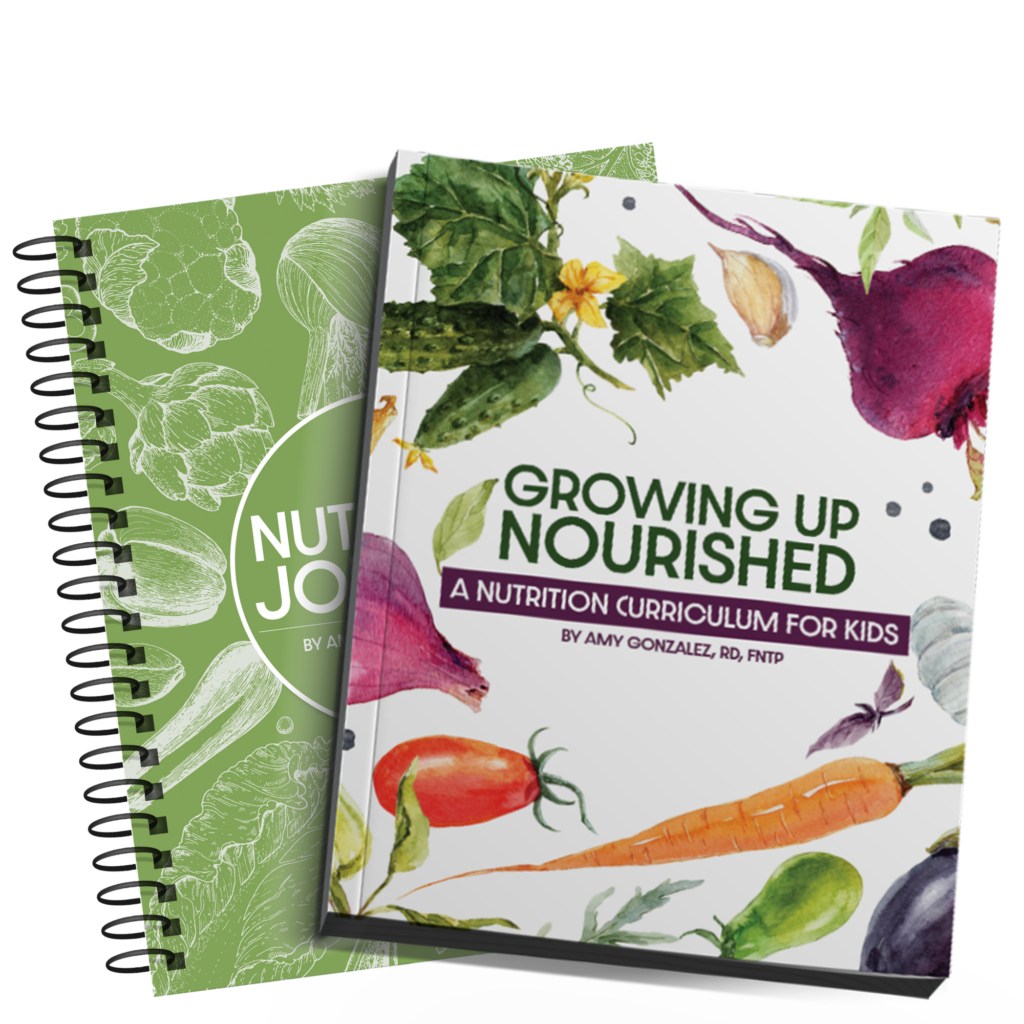
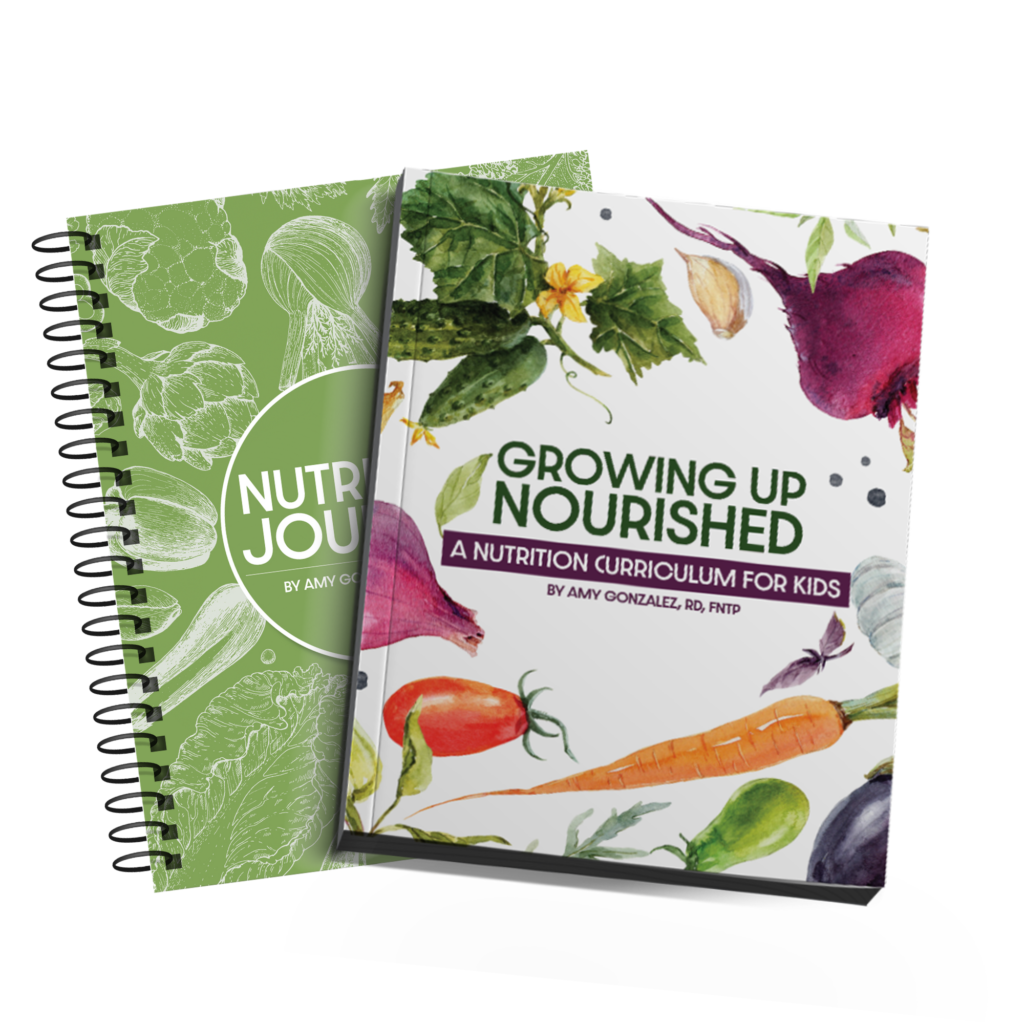
If you want to dive into the science behind how food nourishes our body, mind, and spirit, my holistic homeschool nutrition curriculum for first through sixth graders will teach you all of this and more. 
Click here to receive a free lesson and see if the program is the right fit for your family.

Don’t give up on your picky eater

A common mistake with picky eating is giving up: “Oh, my child won’t eat that. They only like X, Y, Z.”

And then only X, Y, and Z are served.

picky eaters recipes

This further limits what your child is exposed to and can make picky eating worse. 

Even if you are making a recipe you aren’t sure your child will like, put a small portion on their plate or offer them a serving. Give them the opportunity to say no (or yes!) instead of answering for them. 

Offer them the new food, along with a portion of healthy food on their “approved list.” Let them know they can taste the new food if they want, but the choice is theirs. 

Hearing no over and over is so frustrating, but remember that taste preferences change over time. Eventually, your picky eater will probably taste that food and like it—it just may take a while. 

Let them help in the kitchen

Similar to letting them help with the weekly shopping, letting your picky eater help prepare a meal helps them feel in control. Kids are often very excited to try whatever they make and are proud to share with others. 

picky eaters recipes

If you haven’t cooked with children before, you deserve a fair warning—it can be stressful. 

Depending on your personality type, cooking with kids requires a relaxed and fun mood. Things will get messy. So, if you are already having a stressful day, inviting kids into the kitchen might not be the best idea. Plan for a day when you have spare time and pick a recipe that doesn’t require perfection. This will ensure you and your little chef both have a wonderful experience. 

Kids love to cook, and they love to help. This means that they are usually happy with a small task. Measuring, mixing, and even chopping (I love these kid-safe knives) are great jobs for kids. If the ingredient is safe to eat raw, let them nibble as they cook. 

Cooking together can help your child discover new tastes, and they might realize they actually like the raw form of a food that they usually despise when cooked. For instance, raw broccoli has a different flavor and texture than roasted or steamed broccoli. 

Experimenting with different shapes, textures, and combinations can also help win over picky eaters. Shredded carrots may be more fun to eat than carrot sticks, and peaches or bananas may be more appealing when dipped in cinnamon.

My go-to picky eaters recipes

My favorite kid-approved recipe is…

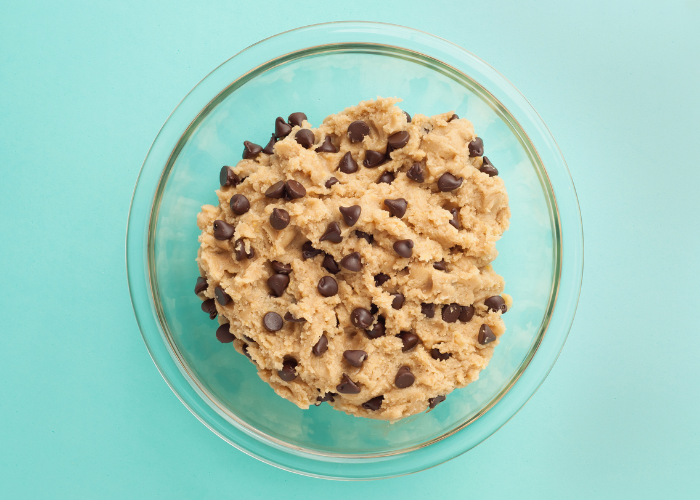
Edible Protein-Packed Cookie Dough

picky eaters recipes

INGREDIENTS

  • 1/2 cup almond flour
  • 2 tablespoons grass-fed butter or coconut oil
  • 1 tablespoons pure maple syrup
  • 1/8 teaspoon vanilla extract
  • Pinch of Himalayan sea salt
  • 1/4 cup collagen powder
  • 2 tablespoons dark chocolate chips

DIRECTIONS

  1. Combine all ingredients except the chocolate chips into a blender. Blend until well mixed.
  2. Add dark chocolate chips and stir until combined.
  3. Enjoy!

NOTES: Experiment with other mix-ins including nuts, sprinkles, cacao powder, and coconut shreds.

Do you have any tried and true tips for picky eaters? Share with us below!

Do you feel a connection between spirituality, food, and the ability to fulfill your work and purpose?

spirituality food

To me, eating is a spiritual act as much as a physical one. I have experienced the profound difference between how I feel after eating nutrient-poor foods versus foods that are as close to nature as possible. 

And there’s a reason for that! Food isn’t just fuel—it’s a gift from God. Jesus gave thanks and broke bread. And we’ve been given the bounty of the Earth to help our bodies thrive and even heal so that we can do the work God has called us to do.

I believe that paying attention to the spirituality-food connection means using whole, nutrient-dense foods to feel my best, allowing me to do this work.

And I wanted my kids to feel this connection, too!

I woke up one morning, the week before the world shut down from COVID-19, inspired to write a nutrition curriculum for kids. I had never personally taken on a project this big, and it was one of those dreams that gets you excited but also makes you nervous and anxious at the same time.

I wanted to write a curriculum that would check all the boxes…something that went into the science of nutrition to explain the “why,” teach a more intentional and mindful eating approach, and touch on the spirituality-food connection.

Amy Gonzalez, The Holistic Dietitian

I knew that other families might benefit, too. 

I hear from many of my one-to-one nutrition clients that when they begin making healthy changes for themselves, they often struggle with their kids. These clients get burned out preparing separate meals for various family members. They often ask me for tips on how to pass along healthy habits to their kids. 

spirituality food

These conversations validated my behind-the-scenes project of writing Growing Up Nourished. Eating and living holistically is very much a family effort, and I could use this curriculum to ease the burden that my clients described.

So my boys and I got to work! 

My two young sons gave me great feedback on each lesson and even some fantastic ideas for hands-on projects they wanted as part of their homeschool experience.

I knew that with their help, the program would be “kid-approved.”  

But I also wanted it to be fact-based, and effective. Did you know that 2.5 billion dollars are spent annually on advertising that targets our children? Another 2 billion is allocated to the marketing of food products. Sadly, less than 3% of this advertising is for healthy food. A largely unhealthy message is being sent to OUR children! 

Further, rates of diabetes, cardiovascular disease, and cancer are increasing, and we’re seeing these illnesses hit kids earlier and earlier. 

But if we can raise the next generation to value the importance of nourishing their bodies, I believe we can change that trajectory. As parents, we must fight back and take the physical and spiritual health of our kids back into our own hands. 

So, the big question is, how do we navigate this and teach our children to become healthy eaters when the world is telling them differently?

spirituality food

Rather than feeling confused by all the diet misinformation or falling prey to fad diets as an adult, I want to foster my childrens’ respect for the nourishing, healing, and spiritual power of how they eat. 

Over the years, I had to remind myself that forcing my kids to eat is not my job. When my sons are grown and living independently, do I want them to be healthy and eat their vegetables? 

Yes, of course. What parent doesn’t? 

But when I take off my “nutrition hat,” what I truly want is for them to learn and understand how their body feels when they eat certain foods. I want them to understand what their body feels like when they have a blood sugar crash after a sugar high. I want them to notice the calm and grounded feelings they have after eating a balanced meal. I want them to learn how strong their bodies are with the right foods. 

I want them to understand how food impacts their energy, mood, brain function, immune system, and even their spiritual relationship with God.

I hope that this curriculum will be a blessing to families…that it will be a way of bringing families back together at the dinner table.

Amy Gonzalez, The Holistic Dietitian

We have come so far from natural, whole foods. Processed foods fill the grocery store shelves—items our ancestors would not recognize. We have come to fear real salt and natural fats like full-fat milk and butter.

spirituality food

With Growing Up Nourished, children and parents can learn a new approach to nutrition that may be different than what they’ve learned in the past. One that’s based less on fear, deprivation, and politics and more on getting back to the foods that have been staples of our diets for centuries. Click here if you’d like to learn more about Growing Up Nourished: A Nutrition Curriculum for Kids. I’ll send you a free lesson so you can see if it’s the right fit for your family. And I’d love to hear your thoughts in the comments section.

sauerkraut is good for you

Sauerkraut and other fermented foods such as yogurt, kefir, and kvass are considered some of the first (good for you!) processed food products consumed by humans. They have been a food staple of nearly all cultures for thousands of years. 

Once upon a time, fermentation—when Lactobacillus bacteria beneficially alters food—was one of only a few methods of preservation to prevent food-borne illness. Of course, it is likely that our ancestors also recognized the extraordinary healing properties of these lacto-fermented foods and drinks.

We have now proven with research that sauerkraut is good for you. The benefits of sauerkraut and other fermented foods are primarily due to the variety of beneficial microbes and the enhanced nutritional bioavailability of ferments. Yep, fermented veggies and dairy products provide more nutrients, particularly antioxidants, than their non-fermented counterparts (1).

What is fermented food?

The fermentation of food is a metabolic process where microbes, such as yeasts and bacteria beneficially change the original food. 

sauerkraut is good for you

When a food is fermented in a controlled environment, such as a clean home kitchen, it allows these beneficial microbes to flourish, preventing the overgrowth of pathogenic microbes (the ones that can make you sick). 

The more popular name for these beneficial microbes is probiotics. Probiotics are good for us because they can improve gut health and the health of our whole body. Our gut is home to trillions of bacteria, yeasts, and fungi that are vitally important due to their roles in nutrient absorption, immune function, and even the way our brains work and perceive the outside world. These bugs are collectively called the microbiome. 

Eating probiotic-rich foods is a great way to support our microbiome. The fermentation process also provides protein-digesting enzymes, or proteases, that enhance nutrient bioavailability and make food easier to digest. 

Sauerkraut is good for you…and so are other fermented foods!

Research has shown us that fermented foods and beverages provide numerous health benefits such as better blood sugar levels, lower cholesterol, stronger bones, a happier mood, and a healthier gut (2). 

Gut health, specifically, is essential for the health of our entire body. The health of the gut begins developing in utero, and our children’s gut flora plays a big part in their chances of developing issues like asthma and allergies, obesity, and inflammatory bowel disease (2). 

If you have been hesitant to make your own fermented food because it sounds too complex, let me reassure you, it’s easier than making a batch of pancakes. Of course, just like any recipe, you can make it as difficult as you want to, but most fermented food is just the original food plus salt and spices. 

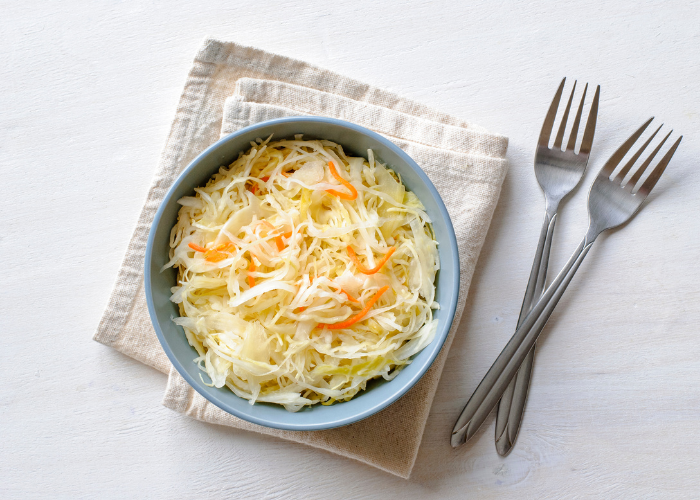
Almost any food can be fermented, and there are thousands of varieties of fermented foods. Sauerkraut is one of the best-known ferments. Originating in China over 2,000 years ago and eventually making its way to Eastern Europe, sauerkraut is now primarily associated with German culture. And sauerkraut is just cabbage and salt! 

sauerkraut is good for you

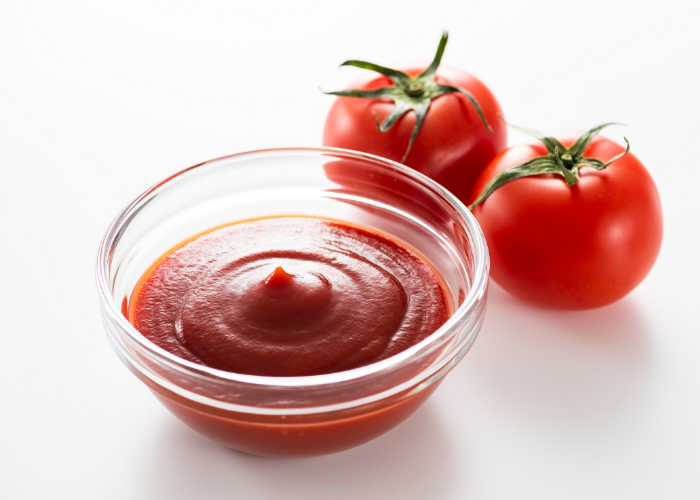
Amazingly, another well-known ferment is ketchup, although the sweetened condiment that most of us are used to is nothing like the original fermented version. Originally, ketchup was very savory, and the key ingredient was fermented fish! That being said, some fermented foods are an acquired taste. But once you get a taste for them, you will begin to crave the sour, salty, and umami flavors. 

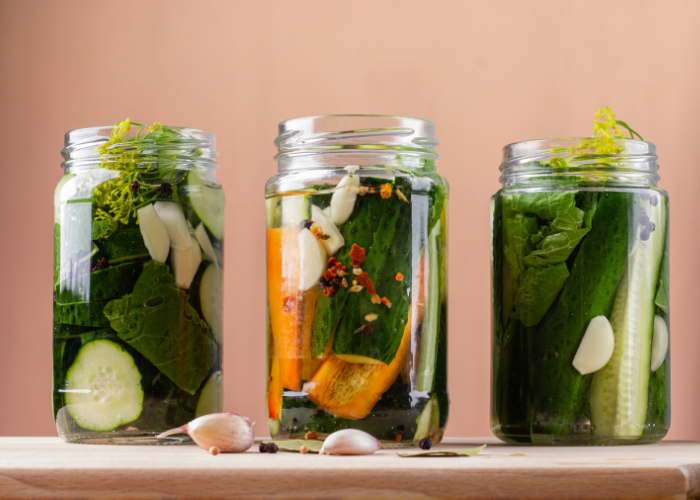
My family’s favorite fermented food is pickles. They are a big hit in our home and a simple enough recipe for the kids to make themselves—no heat is required. 

The hardest part is waiting for the finished product! You will have to wait about two weeks for them to be ready. But I promise it is completely worth it. We love to turn pickle making into a fun science experiment, observing the jar each day to look for bubbles or any other signs of the fermentation process. 

These probiotic-packed pickles do not last long in our home, so we usually make a couple of batches at once or start a new batch as soon as the first one is ready. 

This recipe is straight from my holistic, homeschool nutrition curriculum, Growing Up Nourished: A Nutrition Curriculum for Kids. Click here to receive a free lesson and see if the program is the right fit for your family.

I hope you love these probiotic pickles as much as we do. Be sure to let me know what you think in the comment section below!

Easy Dill Probiotic Pickles

INGREDIENTS:

sauerkraut is good for you
  • 1 pound pickling cucumbers
  • 2 1/2 cups non-chlorinated water
  • 1 tablespoons Himilayan sea salt
  • 4 garlic cloves, sliced
  • 1/2 teaspoon peppercorn
  • 1/2 teaspoon mustard seed
  • 1/2 teaspoon coriander seeds
  • Handful of fresh dill
  • 1-quart mason jar

DIRECTIONS:

  1. Wash cucumbers. Scrub the blossom side well or cut off. The bloom contains enzymes that makes pickles soft.
  2. Make the brine by mixing water and sea salt until dissolved.
  3. In a clean quart jars, layer the spices and cucumbers, tightly packing them in to the jar. Add garlic and top with dill.
  4. Pour the brine over the cucumbers, pressing down so that everything is sumberged with about 1 inch of headspace. Use a fermentation weight or a ziplock bag with a little water inside to hold the contents below the brine.
  5. Cover jar with a loose lid and place in a cool dark place for at least 3-7 days. For more sour pickles, let ferment for 2-3 weeks. You have life when it starts bubbling and the liquid turns cloudy. After the pickles reach your desired taste preference, store in the refrigerator.

  1. https://www.ncbi.nlm.nih.gov/pmc/articles/PMC6567126/ 
  2. https://www.sciencedirect.com/science/article/abs/pii/S095816691630266X?via%3Dihub
  3. https://pubmed.ncbi.nlm.nih.gov/30384950/

Hi there! It’s Amy here. In this crazy time of covid, over-sanitization of everything we touch, election stress, homeschooling while working from home, all piled up on top of the normal cold and flu season — our immune systems are taking a hit. But the good news is that there are dietary and lifestyle practices we can implement to boost our immune systems. For this blog post I have invited Cassidy, a Dietetic intern, to help compile some research on the best ways to support the immune system.


What is the Immune System? 

Our immune system is our body’s way of protecting us against pathogens such as bacteria, toxins, and viruses. It consists of two networks, the innate and adaptive immune systems which work together to fight off those foreign invaders. 

How does it work? 

The innate immune system is the fast-acting, first line of defense against harmful microbes. It includes the skin, immune defense cells, and proteins. 1

If a pathogen passes through the skin’s barrier, it is confronted with defense cells that release substances triggering inflammation which in turn, can lead to a fever. 

Our adaptive immune system works slower than its counterpart but precisely targets specific germs. This unit consists of B and T cells which identify and attack pathogens, as well as antibodies which prevent us from getting a disease again, hence the term “immunity.” 2

The adaptive immune system has the unique characteristic of being able to “remember” foreign invaders and therefore, will have a much quicker response if it enters the body again. 

Are you getting the proper nutrients? 

If you’re wanting to maintain a healthy immune system, it is important to ensure a well-balanced diet filled with fruits and vegetables for adequate nutrition. 

Diets containing a variety of fruits and vegetables provide a plethora of nutrients to the body, many of these containing antioxidant properties. Many of these include: 

Beta-carotene- the pigment that gives fruits and vegetables an orange color. This is commonly found in sweet potatoes, carrots, oranges, butternut squash, and more. This nutrient plays a possible role in preventing cancer. 3
These are fat-soluble, so the nutrients are better absorbed when paired with a fat, like olive oil!

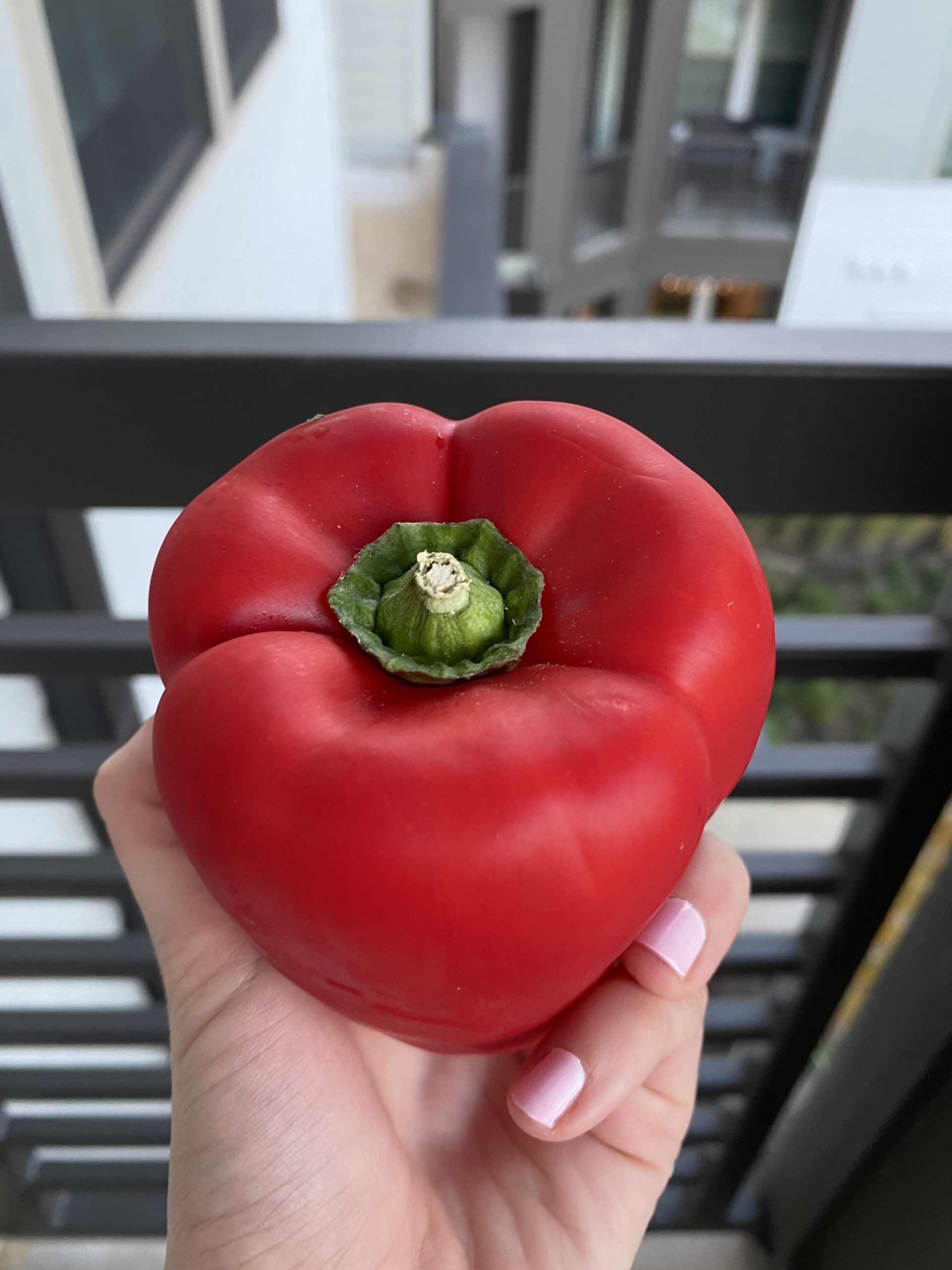
Vitamin C is an antioxidant that contributes to the functions of both the innate and adaptive immune systems. As humans, we cannot make this nutrient in our body so it must be obtained through our diet. It is commonly found in red bell peppers, broccoli, spinach, and other leafy green vegetables. 

Vitamin D has been shown to reduce the risk of possible infections and deficiency in this nutrient is present in those with autoimmune diseases.7 
The best source of vitamin D is daily strategic
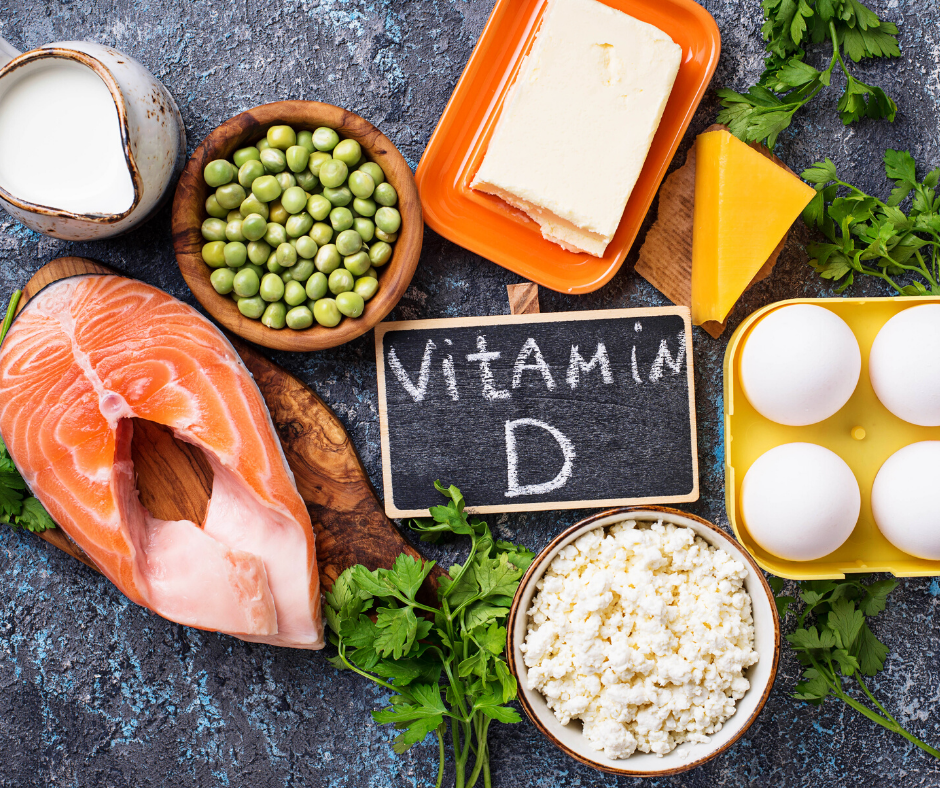
sun exposure! To increase your vitamin D consumption, try implementing certain fish, such as salmon and trout. Whole milk, egg yolks, and cod liver oil have also been found to contain high levels of this vitamin. 

Vitamin E is a fat-soluble antioxidant defending against free radicals. Deficiency in this vitamin is linked to Cystic Fibrosis (CF) and Crohn’s Disease.13
Foods containing vitamin E include nuts, salmon, and avocado.

While these vitamins and nutrients are extremely beneficial, we must also be aware of what can hinder their effectiveness. The western diet is abundant in fast food which contains unnecessary sugars, sodium, saturated and trans fats. Excess intake of added sugar and sodium has been shown to contribute to the depletion of nutrient stores, as well as inflammation.

Your Gut’s Role in Immune Function 

The gastrointestinal system, commonly referred to as the “gut,” comprises digestive organs such as the esophagus, stomach, pancreas, gallbladder, and intestines. Besides promoting smooth digestion, the GI system aids immune function. 70-80% of immune cells are found in the gut!10 Here we find gut-associated lymphoid tissue (GALT), which serve as our first line of defense against infection.11 

At a microscopic level, the GI system houses the microbiome, home to trillions of bacteria and fungi that coexist together. This composition of microorganisms varies with each individual, dependent upon his or her lifestyle, dietary habits, body mass index (BMI), antibiotic intake, and more.12

This system encompasses many functions of the body, yet does not receive much recognition unless alterations are present. The slightest imbalance in gut microbiota can lead to a plethora of issues including constipation, bloating, heartburn, and autoimmune disorders.  

If you struggle with GI discomfort, try implementing a probiotic into your diet. Probiotics are found in fermented foods such as sauerkraut, kimchi, kombucha, as well as some yogurts that explicitly state that they contain live cultures. You can also find probiotics in supplement form. You can find some of Amy’s favorites in her online dispensary.

Elderberry 

Another supplement that can be beneficial to possibly preventing infection and shortening the duration of flu-like symptoms, is elderberry.4 Derived from the Sambucus tree family, elderberry is sold in the form of gummies, syrup, and lozenges at nearly any local supermarket or health store. Look for one without added sugar. 

Are you getting enough sleep?

Besides needing sleep to recover from the craziness of everyday life, sleep is crucial to your immune health!

Our bodies function like clocks; we like to go to bed at the same time and wake up at the same time. This unique biological process is known as the circadian rhythm. 

When this rhythm is interrupted and we are sleep deprived, we are then left more vulnerable and susceptible to disease. This is why many college students fall sick after taking their finals- more time spent studying and less time sleeping leads to a depressed state of immunity.5

What about stress?

Our lives are naturally filled with stressors, but 2020 brought it to a new level. From worrying about our jobs, health, our children’s health, and so many more, life is anything but easy. 

However, all this stress and worry can manifest physically, leading to immune system depression and even sickness! Our bodies produce a hormone in response to stress, called cortisol. This hormone is responsible for a variety of good things, such as keeping blood pressure at normal levels and reducing inflammation, but chronic high levels can be detrimental. 

If we feel stressed all the time, cortisol levels remain elevated, leading to a compromised immune system. This excess cortisol has been linked to ailments such as irritable bowel syndrome, rheumatoid arthritis, multiple sclerosis, anxiety, depression, and more.6

Fortunately, there are many ways to alleviate the stress of everyday life. Simple tasks such as going on walks, taking baths, prayer & meditation, and reading a book, are ways to find peace and be still in the middle of a crazy week. 

As mentioned earlier, keeping your diet in check by including nutrient-dense foods can have positive effects on your health. Sleep, nutrition, and stress management are the most important factors in maintaining a well-balanced immune system.

Cassidy is a Dietetic student at Texas Woman’s University. She is also a personal trainer who enjoys all things fitness and wellness. When she is not working or studying, Cassidy loves going to church at Mercy Culture and taking long walks outside.

References

  1. CDC. Test for Past Infection. Cdc.gov. 2020 Sep 18 [accessed 2020 Oct 2]. https://www.cdc.gov/coronavirus/2019-ncov/testing/serology-overview.html
  2. InformedHealth.org [Internet]. Cologne, Germany: Institute for Quality and Efficiency in Health Care (IQWiG); 2006-. The innate and adaptive immune systems. [Updated 2020 Jul 30].Available from: https://www.ncbi.nlm.nih.gov/books/NBK279396/
  3. Hughes DA. Effects of carotenoids on human immune function. Proc Nutr Soc. 1999 Aug;58(3):713-8. doi: 10.1017/s0029665199000932. PMID: 10604207.
  4. Complementary and alternative medicine – Penn state Hershey medical center – elderberry – Penn state Hershey medical center. Adam.com. [accessed 2020 Oct 2]. 
  5. Besedovsky L, Lange T, Born J. Sleep and immune function. Pflugers Arch. 2012;463(1):121-137. doi:10.1007/s00424-011-1044-0
  6. Morey, J. N., Boggero, I. A., Scott, A. B., & Segerstrom, S. C. (2015). Current Directions in Stress and Human Immune Function. Current opinion in psychology, 5, 13–17. https://doi.org/10.1016/j.copsyc.2015.03.007
  7. Aranow C. Vitamin D and the immune system. J Investig Med. 2011;59(6):881-886. doi:10.2310/JIM.0b013e31821b8755
  8. Manzel, A., Muller, D. N., Hafler, D. A., Erdman, S. E., Linker, R. A., & Kleinewietfeld, M. (2014). Role of “Western diet” in inflammatory autoimmune diseases. Current allergy and asthma reports, 14(1), 404. https://doi.org/10.1007/s11882-013-0404-6
  9. DiNicolantonio, J. J., & Berger, A. (2016). Added sugars drive nutrient and energy deficit in obesity: a new paradigm. Open heart, 3(2), e000469. https://doi.org/10.1136/openhrt-2016-000469
  10. Furness, J. B., Kunze, W. A., & Clerc, N. (1999, November 1). Download Citations: Future Science. Retrieved October 29, 2020, from https://journals.physiology.org/action/showCitFormats?doi=10.1152%2Fajpgi.1999.277.5.G922
  11. Ruth, M.R., Field, C.J. The immune modifying effects of amino acids on gut-associated lymphoid tissue. J Animal Sci Biotechnol 4, 27 (2013). https://doi.org/10.1186/2049-1891-4-27
  12. The Microbiome. (2020, May 01). Retrieved October 30, 2020, from https://www.hsph.harvard.edu/nutritionsource/microbiome/
  13. Office of Dietary Supplements – Vitamin E. (n.d.). Retrieved October 30, 2020, from https://ods.od.nih.gov/factsheets/VitaminE-Consumer/
tooth2.png

In 2012, approximately 91% of U.S. adults aged 20-64 had dental caries in permanent teeth.1 The number of children needing braces has quadrupled since the 1960’s 2, and it’s now considered a rite of passage to have wisdom teeth pulled. Why are we seeing so much dental decay and overcrowding? Is this something we merely inherit from our parents? What if there’s more to the story that simply our genetics? To find some answers, let’s first take a journey in time. 

TEETH: WINDOWS INTO OUR HEALTH

One of the first pioneers in the search for the cause of dental day was an American dentist, Dr. Weston Price. In the early 1930’s, he was intrigued to learn about the causes of dental decay and physical degeneration that he observed in his dental practice. He had heard about ingenious cultures and their pristine dental health, which peaked his interest enough to embark on a multi-year project, in search of how the foods we eat are connected to our dental health and how the health of our mouths are connected to the health of our bodies.

So he embarked on a quest. He traveled across the globe, from Africa to the Arctic to study isolated societies, collecting data and photos. Dr. Price found that, despite not even owning a toothbrush, people of isolated cultures that were still consuming their native diet had little to no incidence of decay. Additionally he found that they had straight teeth, wide dental arches, no overcrowding, and resistance to disease. However, when individuals from these cultures were exposed to more processed foods from more civilized cultures (referred to as “foods of commerce” by Dr. Price), incidence of tooth decay rose.

veggies22.png

Dr. Price’s findings led him to believe that “dental caries and deformed dental arches resulting in crowded, crooked teeth and unattractive appearance were merely a sign of physical degeneration, resulting from what he had suspected-nutritional deficiencies.”3 When he analyzed the diets of these various cultures, he found that they provided 4 to 10 times the amount of nutrients than those found in the Western diet at the time. While each of these cultures had different diets, Dr. Price did find some similarities between them that he attributed to the strong teeth, jaws, and overall health.

CAN OUR DIET PREVENT TOOTH DECAY?

It’s been long understood that our diet plays a huge factor in our dental health. While limiting sugar is important for overall health as well our dental health, including certain foods to our diet help create strong and healthy teeth, decreasing our risk for cavities.

Ask anyone on the street what it takes to have healthy teeth and you’ll likely hear a regurgitation of what we’ve all been told since childhood – brush and floss twice a day and schedule regular dental checkups. It’s considered the trifecta to having healthy teeth, right? But then there are certain individuals who find that they are more susceptible to dental decay despite practicing the utmost dental hygiene. Not to mention, tooth decay is one of the most common chronic diseases in America.1 So what gives?

A PEEK INSIDE THE MOUTH

Simply by looking into the mouth, dentists are able to gain insight into the overall health of their patients. Many diseases including autoimmune disease, diabetes, celiac disease, and osteoporosis can actually be first noticed in the mouth based on the condition of our gums and teeth.2 Knowing this, it makes sense that our diet has an impact on our dental health, just as much as our dental hygiene.

Our teeth are made of 96% minerals, which is actually a higher percentage than elsewhere in the body.3 Teeth are made from living cells that are constantly building, repairing, and protecting themselves. In order to take care of our teeth, we need to take care of our teeth from the inside, not just the outside. Much of the attention surrounding diet and dental health revolves around what to avoid (such as sugar and soda). However, it’s less commonly discussed which foods can build strong teeth and ward off decay. Let’s review some of the top nutrients that support oral health.

NUTRIENTS TO STRENGTHEN TEETH

Calcium – Our enamel is made primarily of calcium and phosphorus. The bacteria on our teeth help to regulate the transfer of minerals between our saliva and tooth enamel.4 Calcium can be tricky because in order to get calcium where it’s needed (in the bones and teeth), we need to have the essential cofactors or else it can end up in the wrong places. It’s best to consume calcium from whole food forms including dairy, dark leafy greens, almonds, whole fish, and soups and broths cooked with meat on the bone.

Vitamin A – Vitamin A helps to build enamel, keep gums healthy, and aid in the healing process.5 Best sources include pastured eggs, liver, cod liver oil, shrimp, and sweet potato.

Vitamin D – Vitamin D helps build the mineral density by depositing calcium into the bone and teeth.6 Best source of vitamin D is through sunshine! Try the Dminder app to track the best times to get outdoors. Vitamin D can also be found in fatty fish, organic butter, pastured lard, cod liver oil, and pasture-raised eggs.

Vitamin K2 – Vitamin K2 is another cofactor that assists in getting calcium into the bone and teeth, slows rate of tooth loss as we age, and reduces harmful bacteria in the mouth.7 Best sources include fermented foods (find sources listed below), organ meats, pastured eggs, and organic butter.

Vitamin C –  VItamin C is involved in the production of collagen, which is a major protein found in our skin, joints, bone, and connective tissues, so it supports strong gums and soft tissues of the mouth.8 Sources include citrus fruits, papaya, bell peppers, broccoli, brussel sprouts, and cantaloupe.

Probiotics – One major factor in the development of tooth and gum disease is an imbalance in the oral microbiota.9 Clinical trials shows that oral probiotics may reduce indicators of plaque buildup, gingivitis, bleeding gums, and reduce inflammation in the oral cavity.10,11 Including prebiotics, foods that feed the good bacteria, along with probiotics will help to make sure you inoculate your mouth with healthy microbes. Consume plenty of fiber from plants, beans, and legumes. Great sources of probiotics can be found in yogurts, kefir, kombucha, and fermented vegetables such as kimchi, pickles, sauerkraut.

FOODS TO AVOID

Foods that rob the body from minerals will rob our teeth. The more these nutrient-poor foods are in our diet, the less space for the nutrient-dense foods to fill our plates. 

  • Soda and juice
  • Sugar, artificial sweeteners, high fructose corn syrup
  • Hydrogenated vegetable oils (canola, corn, safflower, soybean oils)
  • Highly processed packaged foods including white flour, iodized refined salt

TAKEAWAY

When it comes to eating for healthy teeth, it’s not enough just to simply avoid certain foods. It has more to do with the foods we need to include in our diet. We are more susceptible to weakened enamel and decay when our diet is lacking the proper nutrients for dental formation.12 Eat well, brush, and floss for dental health!

What comes to mind when you think of metabolism? Is it this mysterious control panel in our body that determines whether we will be slim or not? Is it possible to change our metabolism — from being “slow” to “fast?” And what is it anyways?? Let’s discuss the definition of metabolism, symptoms of metabolic dysfunction, and 5 habits to break to boost your metabolism.

What is metabolism anyway?

Simply stated, metabolism is the process by which our bodies convert the protein, fat, and carbohydrates into the energy we need to function. Our basal metabolic rate (BMR) is the amount of energy required for your body to carry out its basic functions when resting. Fortunately, the building of lean muscle mass increases BMR, resulting in more energy expenditure and weight loss.

Our metabolism impacts our health in several aspects, not just our weight, but also in our immune function, fertility, libido, muscle mass, brain function, and more. Factors that affect our metabolic rate include our age, genetics, gender, weight, movement, sleep quality, and diet. Though the speed at which we metabolize foods varies from person to person, a slow metabolism does not have to remain that way.

A well functioning thyroid is crucial to maintaining a healthy metabolism as it is the metabolic regulator of the body. An imbalanced thyroid may stimulate either too little thyroid hormones resulting in hypothyroidism, or too much, resulting in hyperthyroidism, significantly impacting body weight. Hypothyroidism lowers metabolism thus reducing calorie burn, leading to weight gain. Contrarily, hyperthyroidism raises the metabolism, increasing calorie burn and leading to weight loss. The liver plays a big role in glucose metabolism, providing our main source of energy. The liver also carries out processes to provide back up energy during periods of fasting or starvation.

So how do we know if our metabolism is running a little.. ahem… sluggish? And what habits do we need to drop in order to boost our metabolism?

Symptoms of Slow Metabolism

Symptoms of a sub-par metabolism are across the board since your metabolism involves your body’s ability to utilize the foods you eat. Common symptoms include difficulty losing weight, constipation, fatigue, frequent illness, low libido, irregular periods, dizziness, thinning hair, and skin problems.

Habits to Break to boost your metabolism

Not eating enough. 

Years of chronic dieting, skipping meals, can wreck our metabolism. Severe restriction from calories can put our body in to a starvation mode. While weight loss may be achieved initially, over time the body will adapt by increasing our appetite and decreasing our metabolism. Think about it, if your body doesn’t know when the next meal is coming, it will hold on to stored energy for reserves.

What to do instead:

  • Eat enough unprocessed whole foods, in proper balance for your body.
  • Breakfast is the hardest meal to eat for many people. Make your breakfast ahead of time by baking egg and vegetable muffin cups in the oven, batch cooking breakfast bake or a breakfast hash.

Lack of dietary fat

Chronic overconsumption of carbohydrates puts our body into a state where it relies on the constant input of glucose to use as fuel.  If we can shift our body to be a fat-burner, it can increase endurance, reduce brain fog, and help reset metabolism. Fats are a cofactor in building hormones too! Simply put, if you aren’t consuming fat, you aren’t going to be able to make happy and healthy hormones. Read more about how fats benefit your hormones here.

What to do instead: 

  • Boost healthy fats by adding chia seeds or hemp seeds to your granola or salad dressing.
  • Add a small spoonful of almond butter in your hot cereal.
  • Learn more about fats and cut the sugar in my RESTART program.

Consuming inflammatory foods

Processed foods, fried foods, sugar, vegetable oils – all these can contribute to internal inflammation and hijack the control panel to the body. This results in slow metabolism, making it difficult to shed the pounds.

What to do instead:

  • Choose anti-inflammatory foods to boost your metabolism:
    • Fatty fish
    • Green Leafy Vegetables
    • Ginger
    • Turmeric
    • Fruits 
    • Cold-pressed Extra Virgin Olive Oil  

Lack of sleep

A study of 21,469 healthy adults self-reported their nightly sleep duration. Those that slept for less than 5 hours were more likely to gain weight compared to those that slept for 7 hours.  In another study, one night of sleep duration was significantly reduced in men and BMR was also significantly reduced. “Sleep deprivation can cause your body to produce too much insulin, which can lead to increased fat storage.” 

 At night, our body does repair-work, release growth hormone and melatonin.  That melatonin bath actually helps to detoxify our brain. Melatonin also mitigates the inflammatory effect of cortisol, our stress hormone. So get your sleep on.

 What to do instead:

  • The National Sleep Foundation recommends adults ages 26-64 to get 7-9 hours of sleep each night.
  • Reduce your nightly screen time by leaving your device on the other side of your room one hour before bedtime.

Lack of movement or over-training.

Movement optimizes hormones and decreases inflammation. Moving your body more provides many health benefits including chronic disease prevention, healthy weight maintenance, and stress relief.  But too much of a good thing can bring problems. If you have a high stress job or in a high-stress season of life, getting too much movement through over exercising may actually cause weight retention.

What to do instead: 

  • Get the right amount of exercise.
    • 2.5-5 hours per week of moderate-intensity aerobic exercise
      • walking briskly or raking the yard
    • 1 hour and 15 minutes to 2 hours and 30 minutes of vigorous-intensity aerobic activity
      • running or taking a strenuous fitness class 

The takeaway

Boost your metabolism by avoiding meal skipping, eating anti-inflammatory foods, getting plenty of rest and sleep, and engaging in a balanced amount of physical activity.

Hormone balancing super foods.png

Hormones are an integral piece of our body’s systems that carry out functions that support the integrity of our health and well-being. When hormones fluctuate and become out of balance, problems can arise, leading to disease. Symptoms of hormonal imbalance include premenstrual syndrome (PMS), irregular and/or painful periods, infertility, weight gain, low libido. Causes of hormone imbalance vary from person to person, however, the culprits might be a disease such as an overactive or underactive thyroid, hypothalamic-pituitary-adrenal axis (HPA) dysfunction, liver stress, compromised digestion, use of birth control or hormone replacement therapy, toxins (such as BPA), and pollutants — the list goes on.

It’s also worth mentioning that the extreme symptoms that we typically associate with our periods (PMS, cramps, acne) and menopause (hot flashes, mood swings, hair loss) are actually signs of stress within the body. While these symptoms may be common, they are not normal. You may be relieved to know that it is possible to go through life transitions feeling more balanced by supporting your hormones. When searching for ways to promote hormonal health, consider adopting these five foods into your lifestyle for a more hormone balanced diet.

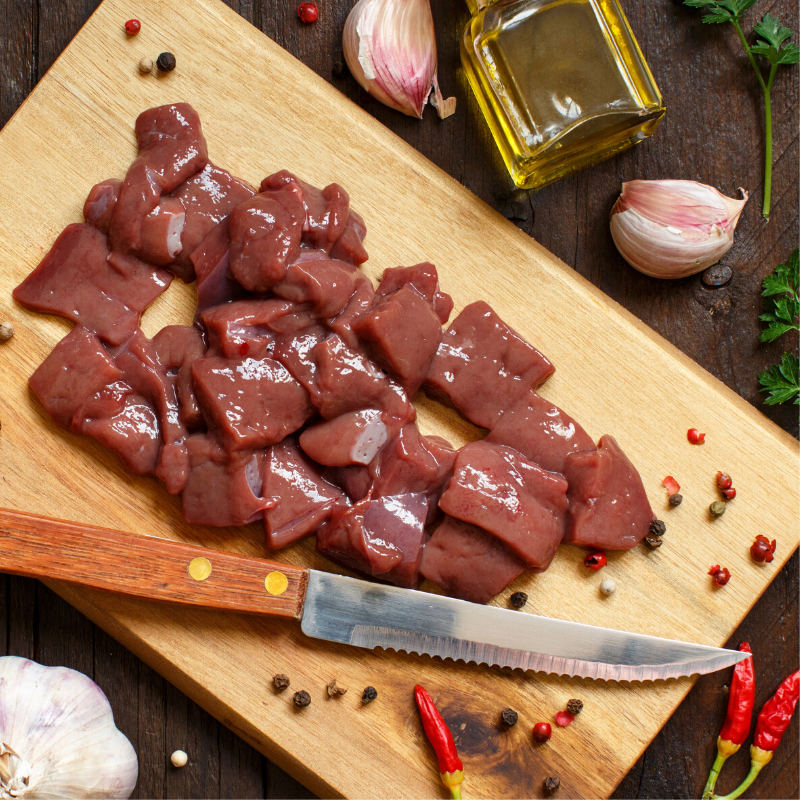
1. Liver
Did you cringe a little bit reading that? Organ meats such as liver may not sound very mouthwatering, however, they are bursting at the brim with nutrition making them wise choice foods for hormone balance. Eating just three ounces of beef liver can provide ample amounts of vitamin B12, vitamin A, iron, copper, selenium. A deficiency of iron and/or Vitamin B12 can lead to anemias. There is an association between thyroid disorders and anemia according to this study. Studies have illustrated that a risk factor for thyroid abnormalities could be iron deficiency. Furthermore, a review found that “selenium deficiency decreases the synthesis of thyroid hormones.” Liver serves as an excellent nutritional source and when consumed regularly can help prevent nutrient deficiencies that may affect hormones.

Additionally, consider your own liver and its role in detoxifying excess and “expired” hormones. Eating liver can actually support this detoxification process, therefore supporting your hormone balance. If the liver is overwhelmed with other, higher, priorities such as blood sugar regulation, then detoxification could be impaired. Consider eating liver as a part of a hormone-balanced diet.

2. Maca
Maca is a Peru grown root vegetable that is similar to a radish. For centuries, maca has been used as a traditional herbal medicine for “infertility and female hormone balance.” Animal studies have shown that “maca extracts increase sexual function.” A review of maca use in human studies reports favorable results of maca on menopause symptoms. My go-to recommended brand for maca is The Maca Team. A powdered form an be added to smoothies and puddings.

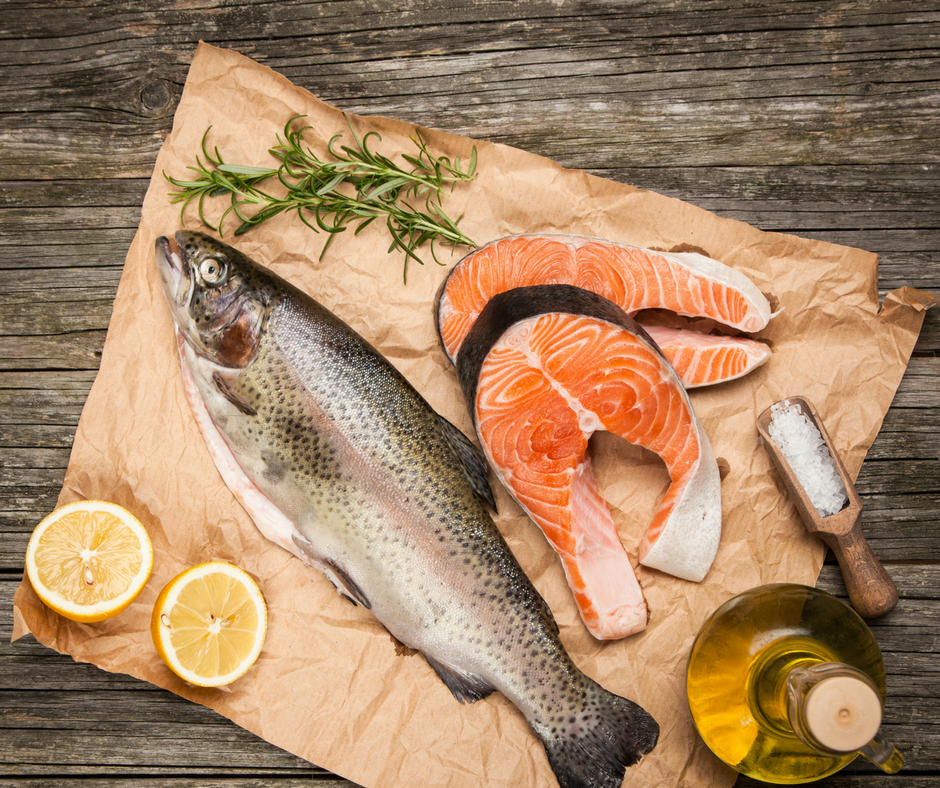
3. Fatty Fish
Coldwater fatty fish like salmon, mackerel, anchovies, sardines, and halibut (remember the acronym S.M.A.S.H.) provide the highest concentrations of omega-3 fatty acids. King mackerel should be avoided if you are pregnant and/or a nursing mother due to its high mercury content. Omega-3 fatty acids are well known for their benefits on heart health. They are not made in the body, therefore they must be consumed as part of a hormone-balanced diet to reap these benefits.

In a study of 78 women with PCOS and irregular periods, subjects were randomized into a placebo group and an experimental group. The experimental group was given 3 grams of omega-3 fatty acids daily for 8 weeks. At the end of the 8 weeks, there were decreases in testosterone levels and the percentage of women with regular periods increased in the experimental group. Fatty fish, along with other quality fats are great ways to support hormonal health. Try my salmon bowl or salmon bites.

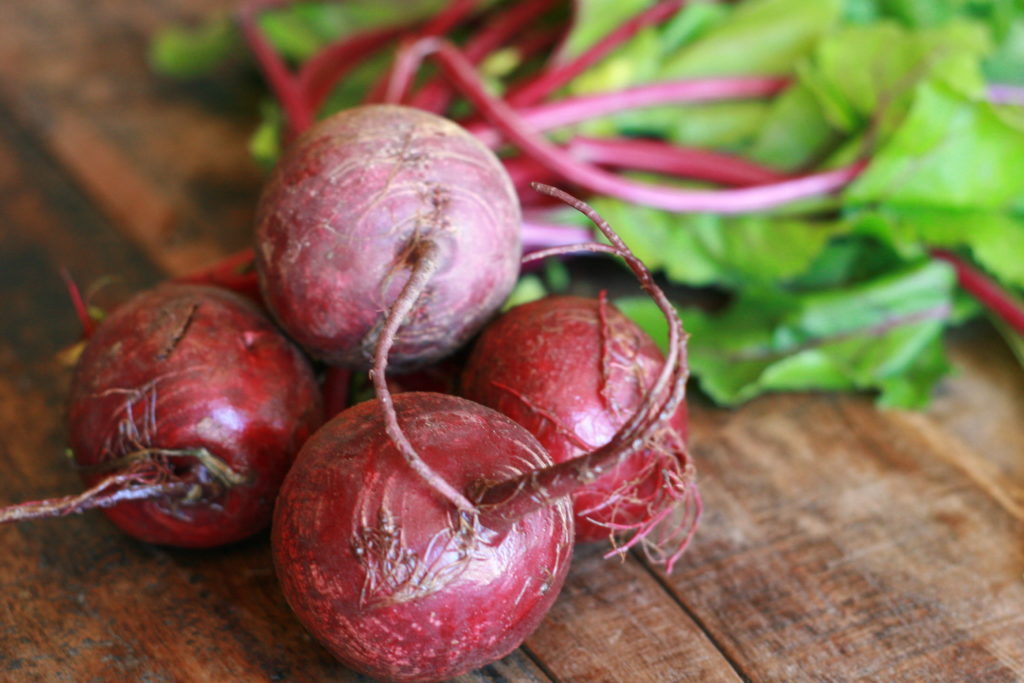
4. Beets
All bodies are subject to encounter a level of inflammation at some point which can be normal and expected, however, prolonged inflammation can lead to disease and detriment, creating chaos for hormones. Beets are an excellent source of folate, an essential nutrient for pregnancy. Beets contain highly bioactive pigments, betalains, that have high antioxidant and anti-inflammatory agents.

Beets also support liver and gallbladder health further benefiting healthy digestion and detoxification for happy hormones. Color your green leafy salad by topping with chopped beets and soft cheese or try these beet burgersor my ruby red probiotic applesauce.

5. Green Leafy Vegetables
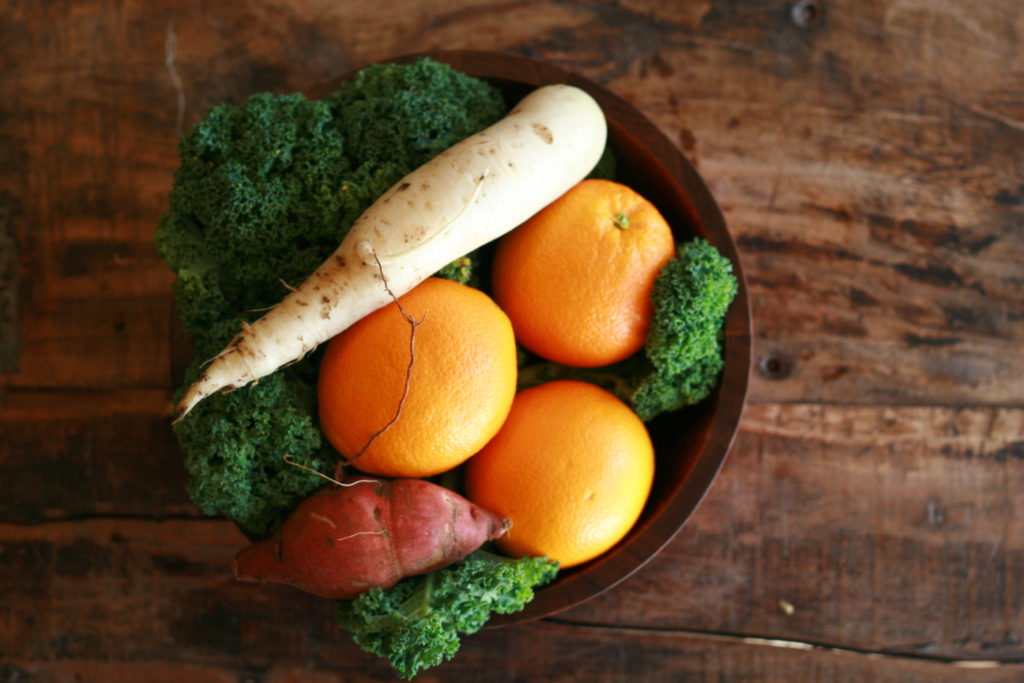
Green leafy vegetables such as kale, spinach, and collard greens are infamous for providing a host of nutrients including Iron, vitamin K, folate, and fiber. Fiber supports healthy digestion by getting things moving and flushing out excesss hormones from the body. Green leafy vegetables are anti-inflammatory foods rich in polyphenols and antioxidants making them a hormone balance promoting food that can help with disease prevention. Use in salads, soups, or smoothies.

The takeaway
Eating a nutrient-rich diet incorporating the five hormone balancing superfoods is a step to alleviating hormone imbalances, improving your mood, preventing disease, and taking control of your health. If you have more questions about supporting your hormones, schedule a complimentary meet & greet session.

There is a lot of talk in the health field about elimination diets versus food sensitivity testing. Elimination diets have been considered the gold standard for the longest time but is that really the best option?

I used to be on the anti-food sensitivity testing side of the fence. I went through the AIP practitioner course and was therefore able to lead my clients through the autoimmune protocol diet. This is an elimination diet protocol that removes common immune triggers that promote inflammation in the gut, thereby mitigating autoimmune flare-ups. However after much research as well as clinical experience, I started implementing the Mediator Release Test (MRT) food sensitivity test in to my practice.

Now with experience in leading clients through multiple means of determining food sensitivities, I feel equipped in sharing a bit about my experience along the way. Let’s first discuss the MRT and then I’ll share my experiences with both – and you may be a bit surprised!

What is MRT?

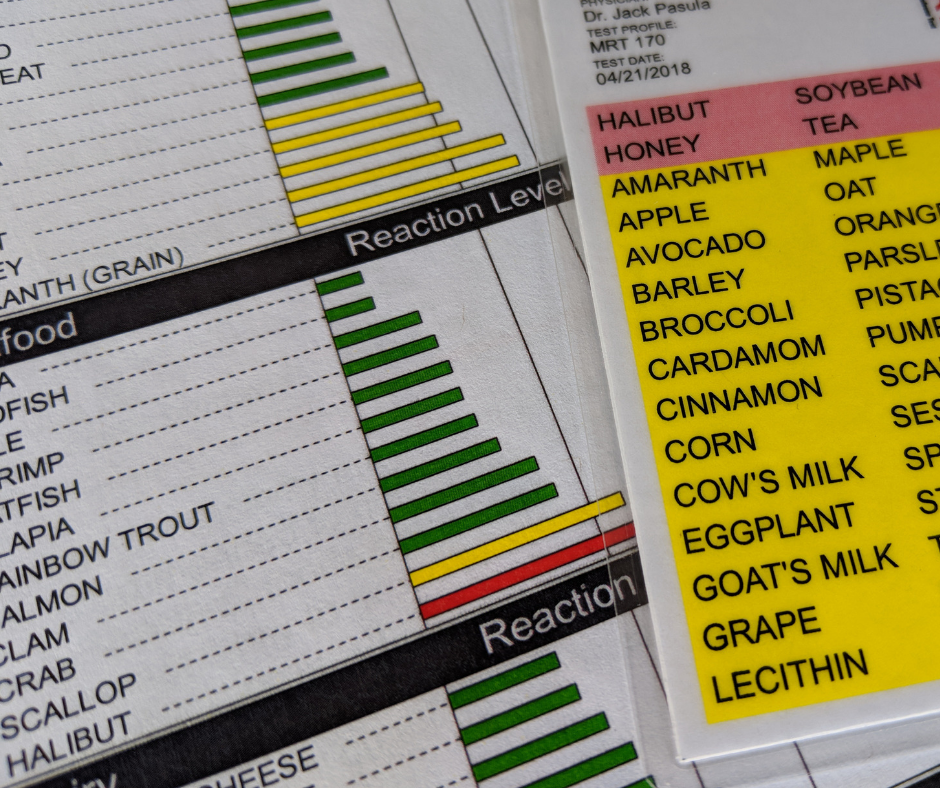
MRT is a blood test that is used to estimate your immune response to 170 different foods or food chemicals. It is one of the most accurate food sensitivity test currently available to identify foods, additives, and chemicals that are causing sensitivity reactions (sensitivity of 94.5% and specificity of 91.7%).

It’s a bit different than your typical antibody testing that your doctor might run because it’s testing for the mediators that are released in response to sensitivity.  These mediators include histamine, prostaglandins, cytokines, among others – all of which can have a negative impact on our physiology. It’s the presence of these mediators that become the actual cause of the symptom in the person. MRT quantifies all of these reactions rather than focusing on just one marker, such as IgG. Interestingly enough, some evidence shows that presence of IgG actually indicates a tolerance to that food, so simply testing IgG alone wouldn’t provide sufficient information.

LEAP Protocol

It doesn’t stop with the testing. The next step is tailoring a nutritional protocol for the individual based on their results. The most common mistake I see individuals make is that they’ll take their results and solely avoid the foods that came back positive. The problem with this approach is that there are thousands of foods and food chemicals on the market today. There are still going to be foods that are not tested, which I refer to as unknowns. By only avoiding foods that are positive, you may still be consuming something in which you’re sensitive.

This is where the LEAP protocol comes in, which is designed to work backwards to allow your immune and digestive system to calm down and then gradually reintroduce foods one at a time, working your way back to an expanded diet.

Elimination Diets, AIP, and MRT – oh my!

A basic search for elimination diet will yield an assortment of conflicting information. For the most part, you may see a basic gluten and dairy elimination to something more strict, such as the AIP diet, which has quite a few restrictions.

A benefit to elimination diets is that is often the entry point for an individual to taking their health back in their own hands. It allows us to discover how food affects our body and that is a really cool thing! A less restrictive elimination can extremely beneficial for many clients, especially those who need a gradual approach. Protocols such as AIP is premised around the leaky gut – autoimmune connection and advocates for gut healing and nutrient-dense foods. These are basic nutritional principals that I think more people need to hear!

Where I find the downfall on elimination diets is that in being a standardized protocol, it can be difficult to follow! Here you are eliminating foods/food groups for extended periods in the hopes that they’re the right foods. I’ve seen individuals on an elimination diet for extended periods but still experiencing symptoms and it came back as they were sensitive to some random food that was still “legal” according to their elimination diet. Everyone’s body responds differently!

There’s also concern that overly strict elimination diets may set the stage for poor food relationship and/or disordered eating. I’ve seen some clients who’ve been on AIP for over a year. I can’t blame them though — they went on the diet and noticed significant improvement and it can understandably be downright scary to reintroduce foods back in.

While the MRT+LEAP is restrictive upfront, the most intense phase in only two weeks. It’s more streamlined in that the protocol is built based around your body’s own unique response to foods. Even better, the focus is on what you are eating, not what you’re avoiding.

We know diet is not one-size-fits-all and that goes for elimination diets as well. By blending the LEAP protocol alongside proper digestive support and gut healing protocols, an individual will have a customized roadmap to regain health!

What Next?

If you’ve been interested in pinpointing foods that may be triggering your symptoms, I first suggest working with someone one-on-one through the process. It’s tempting to DIY-it since we have so much information at our fingertips. However a professional will be there to assist in customizing that roadmap to your needs. If food relationship is an issue, then working with someone will help ensure you’re meeting your needs in all areas – nutritional, emotional, and spiritual.

Finally, I always suggest checking in on our mindset before going in on any protocol and again checking in throughout the journey.  Rather than focusing on food as the enemy, it’s important to shift the energy to healing the body so that we can enjoy an array of foods, just without the symptoms!

Questions? Let’s talk. Schedule a complimentary session.

Magnesium is one of the most highly used minerals in the body. It acts as a cofactor in more than 300 enzyme reactions. One of the most notable benefits of magnesium is that it is necessary for the relations of muscles, which benefits those with muscle cramps, restless leg, painful period cramps, and more.

Magnesium is also a key in stabilizing blood sugar and involved in insulin sensitivity. For every one molecule of glucose metabolized, the body uses approximately 74 molecules of magnesium. It’s no wonder why so many individuals are deficient in this mineral!

Magnesium also is essential for cardiovascular health, balancing hormones, mood regulation (key for those experiencing anxiety), and highly used in times of increased emotional or physical stress.

Materials

1 cup filtered water
1 cup Magnesium flakes
Glass spray bottle

Directions:

  1. Bring water to a boil in a non-aluminum saucepan.
  2. Turn of the heat and stir in the magnesium flakes until dissolved.
  3. When cool, pour into your spray bottle.

How to Apply

  1. Shake spray bottle before use.
  2. Start with 5 sprays on areas such as your legs, stomach, and back. Avoid areas that you’ve recently shaved (see why below!).
  3. Spray on to the body and lightly rub it in. Although it’s sometimes referred to as “magnesium oil,” it’s actually not an oil. However, it does feels slippery like an oil.
  4. Expect a tingling sensation when you first start using your spray. This tingling sensation will last about 20-30 minutes before it wears off. Typically, the tingling will wear off as you become less deficient.
  5. Gradually to a total of 20-30 sprays per day.
  6. Magnesium oil will loosen your stool. The test to determine your “dosage” is to simply watch your bowel movements. Once your bowel movements turn too loose, back off the magnesium a little.

Note: If DIY is not your thing, you can buy pre-made magnesium spray or magnesium lotion. The lotion is a great option for kids, since the spray can tingle.