Our bodies are being constantly exposed to dangerous chemicals including phthalate, parabens, triclosan, flame retardants, and more. Astonishingly, no health studies or pre-market testing are required for the very products we are lathering on our bodies or using in our homes on a daily basis.
This is not only affecting our health, but also the health of our babies who are the most susceptible. These chemicals are passed through the placenta and babies have early exposure, which studies show increase the risk to the fetus. Prenatal exposure to phthalates can cause reproductive organs of male infants to develop abnormally per a study completed at University of Rochester.1 Babies are born with still immature livers and early exposure to these chemicals can have a negative impact on their development. ((Curious to learn more? Read more about my post on chemicals and their impacts on health in this blog post.))
We do our best to reduce the amount of chemicals in our household. We know that it is impossible to remove all exposures, we believe that removing as much as we can as well as supporting the body through a nutritious diet will better equip the body to handle and detoxify these chemicals.
I thought I’d share some of the products I used for a natural and non-toxic pregnancy, labor, and baby. Let me know if you need any product recommendations that you don’t see on the list!
Note: This blog contains affiliate links. This doe snot change the price for you, but I do receive a small cut when you use my referral link. This does not affect my recommendations to you, as these are all products that I personally have purchased and used. See full affiliate disclosure here.
If you’ve been looking up nutrition during pregnancy at all then you’ve likely read about the importance of vitamin D, protein, calcium, and folate. But there is one nutrient that shies away from the spotlight and is not typically found in prenatal supplements – yet, it is estimated that 90% of Americans do not get enough of this nutrient: choline. (1)
What does it do??
Choline is an essential nutrient that is involved in all cells of the body. Although the body makes small amounts of choline, many individuals have compromised ability to create it, topped with the fact that the needs needs in pregnancy substantially increase. Therefore, it’s a crucial nutrient that we need to ensure we’re getting in through our diet.
Due to the fact that choline is used to make phosphatidylcholine, a component of all cell membranes, the roles of this nutrient is pretty far–reaching. It’s involved in normal metabolism and transport of lipids, methylation reactions, and synthesis of neurotransmitter. Because of its role in methylation, it also plays a role in DNA creation, nerve signaling, and detoxification. (2)
Healthy Baby
During pregnancy, choline supports optimal brain development, influences cognitive function in later life, and provides protection against birth defects such as spina bifida. (3) While the body’s ability to synthesize choline increases during pregnancy, the demand is so high that mom’s stores are often depleted. A study in 2014 demonstrated the high demand during pregnancy when measurements of choline in amniotic fluid revealed to be ten times greater than that present in maternal blood. (4)
What’s even more interesting about choline is its relationship with folate. Folate is another critical nutrient for pregnancy in prevention of neural tube defects. Choline, folate, and B vitamins all work together, keeping one another in balance. (5) Needs during lactation also increase because of the presence of choline in breast milk, which further supports the newborns growth and development.
Recommended Intake & Sources
During pregnancy, recommended intake for choline is 450 mg per day and 550 mg per day if you’re breastfeeding. (6)
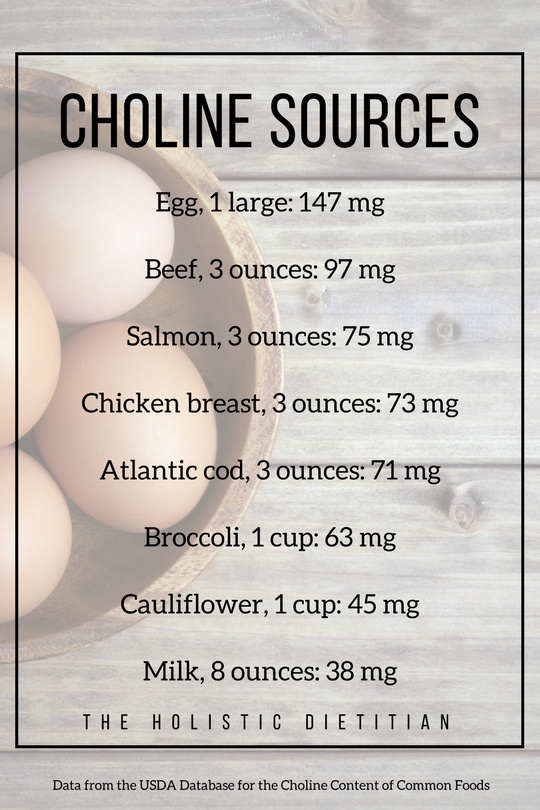
It’s considerably easy to get your daily intake through diet alone – most times supplements are not necessary. For instance, eggs are one of the top food sources of choline, providing about 125 mg, or roughly a quarter of the recommended daily amount. Other food sources include liver, beef, wild-caught salmon, cauliflower, and broccoli. Spinach and beets can support choline needs indirectly, by sparing choline in the methylation process. (7)
Eating a nutrient-dense varied food diet will help ensure you’re reaching your recommended intake. However, vegetarians and vegan who do not consume meat, dairy, or eggs, will be at a higher risk for deficiency. While choline is considered a safe nutrient, high doses can be dangerous. It is recommended not to exceed 3,500 mg per day for adults over 19 years of age. (7)
Okay, so now we know what foods to avoid to rebuild your gut health. But what foods should you include?
Fermented Foods
If you have never tried fermented foods before, such as sauerkraut, you will want to take it slow. Properly-made fermented foods can pack quite the punch, and it doesn’t take too much to support your good gut bacteria count.
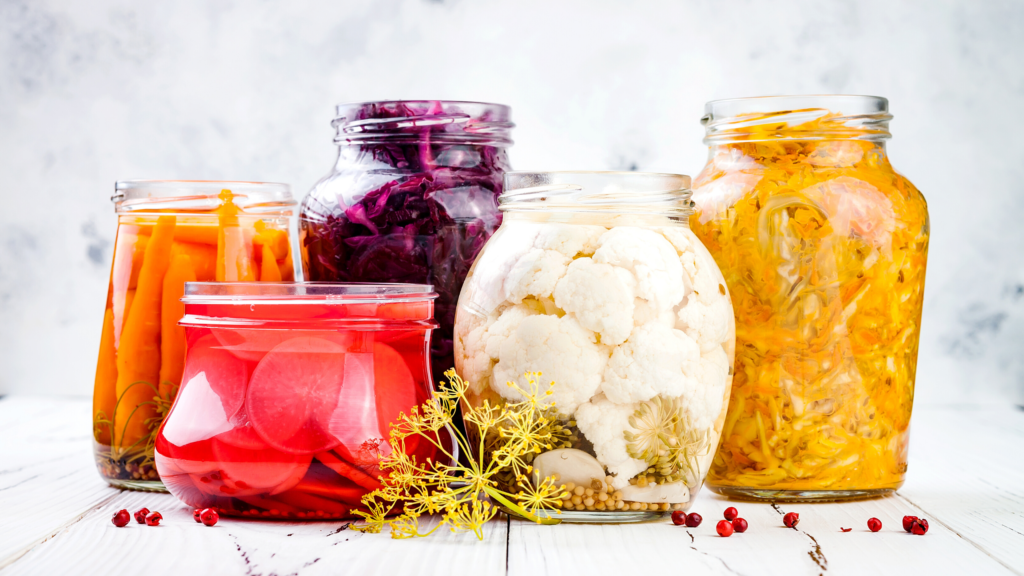
Some of the most popular sources are: kimchi, kombucha, water or juice kefir, saurkraut,or fermented veggies.
Grass-fed Proteins
When you are breastfeeding, you want to be getting the best source of clean protein as possible. If you are a vegetarian, I would focus on getting local, pasture-raised eggs, which are far richer in nutrients than your typical store-bought eggs.
I couldn’t sing the praises of healthy fats enough. Having good quality fat in our diet is so important for everything from our skin health, to neurological health.
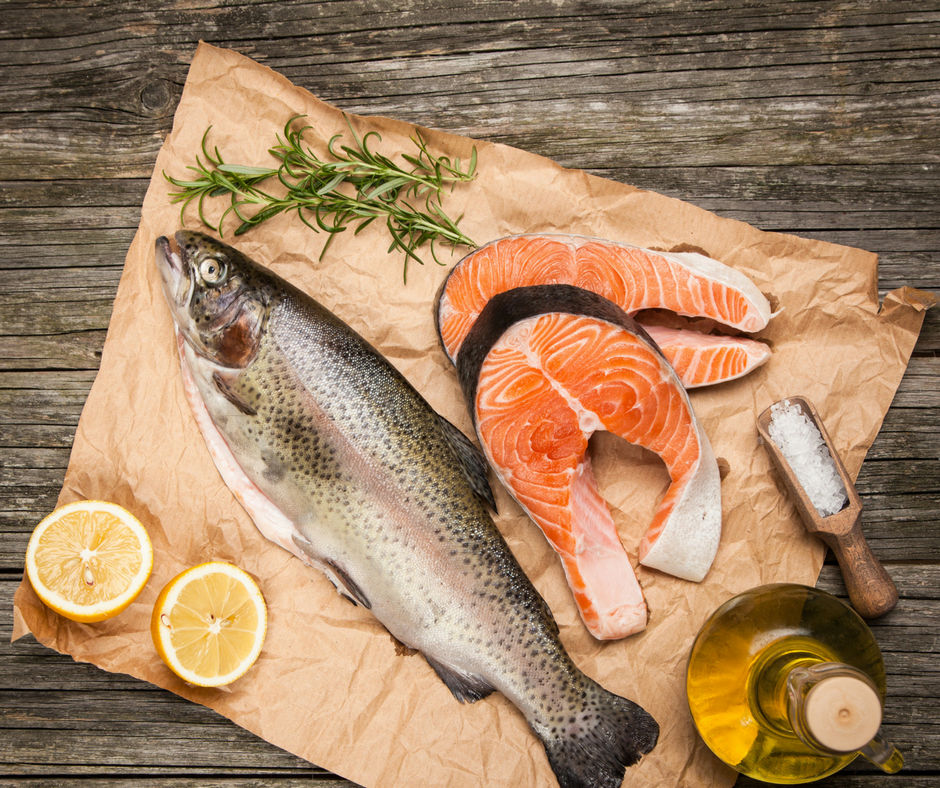
Having a consistent source of saturated fats (coconut oil), monosaturated fats (avocado), choline (pastured egg yolks), and omega-3’s (salmon) is essential for your baby’s immune system, as well as their nervous system function as they mature.
“Okay, I’ve cut everything out. So, why am I still having symptoms??”
There can be obvious signs of food sensitivities, such as eczema or a rash, but there are some sneakier signs, such as fatigue (and hey, you’re a new mom, so that one is kind of a given!).
But sometimes, there is not any obvious sign we can put our finger on.
This is when it’s time to look into the root causes a little further. One great tool for this that I use in my practice is the MRT (Mediator Release Testing).
The MRT is a blood test that looks at your immune response to 170 different foods or food chemicals. Unlike other tests, the MRT is looking specifically for what is causing the most damage and inflammation within your body.
Just having this information in front of you can be helpful, but sometimes it takes a little more support to tie it all together. I always encourage my clients to follow up their MRT with one-on-one coaching in the form of LEAP. The LEAP protocol establishes the stepping stones for you on what to do next, and what foods you should be eating.
——–
It will take time to heal your gut if you have been in a state of imbalance for some time, so I always tell my clients that patience is a necessary ingredient to the healing process.
Your body knows what it is doing, you just have to let it do it’s thing!
In our last installment I talked about the connection between having an imbalance in gut bacteria and how it affects breastfeeding your newborn. Gut dysbiosis is a broad spectrum problem, but there are some signals that your body will give if you have an imbalanced gut.
One of these is food sensitivities. When we consume certain foods we are sensitive to for a long period of time, our body can tend to tune out the message. Unless we take them out for at least three weeks (and in some cases, longer), we may not notice they’re an issue for us.
Now, comes the “bad” news. I always remind my clients that you have to let go of that food 100% in order to really see any changes. Even if you take most of it out of your diet, you will still be experiencing symptoms because that food is being introduced to your system on a daily basis. Ooooh
So, how do you weed out those food sensitivities in order for your gut to heal?
Write it Down!
One of the best places you can begin is food journaling! You may have heard of this before, but this brief, daily practice really does make a world of difference. Regularly food journaling will create a greater awareness of what you are eating every day, and how it made you feel.
Any old notebook will work, but it is important to jot down anything different you notice after eating that quinoa bowl. If you are feeling anxious, or you notice that your skin is a little red, write it down! This will help you keep track of any signals your sympathetic nervous system is giving you. This is how your body tells you, “Hey! This food isn’t working out for me!”
Another good thing to keep in mind is that process of elimination is never a guarantee. There are various factors to food sensitivities and gut imbalance, but one is genetics. Some of us are predestined to be sensitive to certain foods, and even if we remove them for a couple years, we may still experience symptoms when that food is consumed again.
Kicking Sugar to the Curb
What is it that makes it so hard to let go of sugar?
Since there is such a strong, neurological attachment to sugar (as well as it being a ‘comfort’ for many of us), there will have to be a couple of steps you put in place in order to break away.
Whether it is your favorite granola bar, or your preferred smoothie ingredients, taking a closer look at just how much sugar is in your go-tos is the first place to start.
Many of the pre-made snack foods out there that are a staple among busy moms, such as energy bars, contain a lot more sugar than they used to. Many brands of bars contain 24 grams of sugar, which comes out to SIX teaspoons of sugar. Yikes!
Bring in Satiating Foods
Healthy fats and proteins are a must-have if you are trying to cut back on sugar cravings. A clean source of fat, such as wild-caught salmon or avocado, will provide the satiation factor that is needed to give you sustainable energy. Grass-fed meats, such as beef or lamb, provide you the necessary building blocks to build your baby’s immune system through your milk.
Pucker up, Buttercup!
Sour foods are excellent for killing that sugar craving as you feel it coming on. There is such a wide variety to choose from as well: saurkraut, kimchi, pickled veggies. One of my personal favorites is pickled okra!
What Else is There?
Gluten, dairy, soy, and corn are other common sources of food sensitivities…and sometimes these are harder to catch.
Dairy
When it comes to healing dysbiosis in the gut, dairy is one of the first things that I often recommend my clients to let go of. If you already have an imbalance of “good gut bugs” versus “bad”, introducing a source of dairy will inflame the issue due to the milk sugars feeding the bad bacteria.
How to Let Go of Dairy
As you remove the current sources of dairy in your diet, replace them with non-dairy options that are full of beneficial bacteria. There are plenty of options out there now for non-dairy yogurts, such as almond or coconut. I tend to go more towards the coconut yogurt, as it is more sustainable than almond (and creamier too!).
Take out all dairy in your diet, but spread it out over time. Ex. Remove cheese from your diet this week, and milk the next.
For every bit of dairy you remove from your diet, don’t forget to replace it with a non-dairy option (preferably one that is low in sugar).
Gluten
A good place to start is to cut out gluten, and start looking at your labels to make sure you are not consuming anything that may contain gluten. Gluten contains a chemical, called Zonulin, which works to actually open up the junctions of the small intestine. These junctions, or pockets, are where we absorb our food. If they become too large, it lets in larger particles of food that we have not digested well.
Soy
Corn and soy are also two very common additives for many food products out there.
Corn also falls into a similar category as soy because it is also another large-scale crop that is steeped in glyphosate and other herbicides. Corn is also closely related to gluten in the fact that it has prolamines. The outer casing of the each individual “grain” is coated with prolamines, which helps protect that “grain” until it is ready to grow into a new plant.
Check out the final installment in this series, where I share practical tips you can use to uncover what you are sensitive to, how to cut it out, and how it will better support you as you breastfeed.
Have a burning question about food sensitivities and breastfeeding? Reach out to me!
Unless you are an avid gardener, you probably haven’t thought much about the millions of little organisms beneath your feet. Bacteria makes up a vast portion of life here on earth, and we depend on having a healthy microbial imbalance for so many things: good digestion, emotional health.
And when you are a mother-to-be, you are primarily concerned with getting in nutrient-dense foods to support your child’s growth in utero as much as possible. You want to make sure this newest addition is going to get everything he or she needs, and bacterial balance is part of that.
Women are passing on more than just their genes when they become pregnant: they are also passing on their own strains of bacteria!
It was once thought that when we are in utero we are not exposed to any bacteria at all, that at the beginning of life our forming bodies were completely sterile. Research has since looked at there being presence of bacteria shared from the mother with the baby while still in the womb. This means that you can be influencing your child’s microbiome health, and immune system health even before they are born.
So, how do you approach breastfeeding if you know you have an imbalance of sorts?
Dysbiosis is really a catch-all term for microbial imbalance. When we have a higher level of “negative” bacterial or fungal strains (such as Candida), we can experience symptoms such as yeast infections, bloating, or frequent bladder infections. If this is present in you as the mother, chances are it might be why your child has been a little fussier lately!
Breastfeeding is one of the best things you can do with your newborn. It is an incredible bonding experience, as well as the chance to nourish your little baby’s body with dense nutrition.
Ideally, it is healthy flora (or bacteria) that is transferred from the mother’s breast to the child. Each milk microbiome is completely unique to that mother and her child and is designed to build her child’s immunity, however this microbiome can change drastically if there is a gut imbalance present.
Food Can Heal, or It Can Hurt
One of the first steps I recommend to take, if you suspect that your little one is exhibiting symptoms of discomfort (gassy, colicky), is to look at what’s in your fridge. As you are looking through all the contents, think about how much of what’s in there has added sugars. Are there a lot of pre-packaged foods? How much fresh food is in there?
In order to help support your little one, you have to know what are the right foods that you need to be eating. And part of that is avoiding top inflammatory foods, such as gluten or dairy.
If you have been struggling with finding the right foods for you, be sure to catch the second installment in this series! I will be sharing some practical tips to help you support both yourself and your baby as you bring your body back to a place of balance!
For those who are looking to conceive, it’s important to consider dietary fat intake. Fat is a fertility food that often goes neglected. Knowing the role of fats in fertility and how to select healthy fats are key to those considering pregnancy.
Why Our Bodies Need Fat
There is a lot of fear in our society surrounding fats. But the fact is that we need fats to survive – especially fat that is rich in omega-3. Fats are involved in the make up of cells, manage the inflammatory process, and are raw materials to building happy and healthy hormones. They also support appetite and hormone regulation, by stimulating hormones that stimulate fullness – hence why you feel more satiated after a breakfast of bacon and eggs versus a bowl of cereal.
Fats are also necessary for the absorption of fat-soluble vitamins (vitamin A, D, E, K). Vitamin A, for one, is important for thyroid and liver health. As a group, these vitamins play a critical role in fertility and fetal development.
Cholesterol is often categorized as a fat, but it is actually a waxy steroid. We need to talk about it here because, just like fat, it has significance in fertility but is often found demonized in outdated nutrition recommendations. Cholesterol is a precursor to all our hormones in the body, including our fertility hormones. It is also involved in the stabilization of our cell membranes. Without it, our cells would be weak and floppy, which translates to poor transport of nutrients across the cell and an inability to release toxins. It also acts as an antioxidant and plays a role in fighting infection. Additionally, it is involved in brain function and in the production of vitamin D, bile (necessary for fat digestion), and serotonin. Cholesterol has recently been redeemed, when the 2015 Dietary Guidelines removed the outdated restriction on cholesterol. 1
Fat has been considered a fertility food in many cultures. Native American women struggling with infertility would go on a diet rich in bear fat, which was supportive of successful conception.2 Current research further supports this role of fat in fertility. Data from the Nurses Health Study revealed that women who ate two or more servings of low-fat or non-fat dairy per day had 85% higher risk of infertility than those that ate full-fat dairy products. 3
Shopping for Fats
When food manufacturers reduce fat in their products, they often replace it with sugar, affecting blood sugar and insulin levels. Preconception is not a time to be eating low-fat foods. Instead, I often suggest to my clients to aim for 1-2 tablespoons of fat with each meal. Of course, it’s important to be selective on the types of fat that you consume because not all fats are created equal.
For instance, trans fats and processed vegetable oils are high in omega-6 fatty acids, which impairs cellular messaging and immunity. Studies have also linked trans fats with a negative impact on ovulation and as a trigger of inflammation.4
Healthy Fat Options
· Grass-fed beef: Great source of omega-3 and CLA, which contains cancer-fighting properties.
· Grass-fed butter: Butter was once prized for its health benefits, and rightly so! Along with the same omega-3 and CLA benefits as grass-fed beef, it also contains an easily absorbable form of vitamin A and K2.
· Olive oil: Choose “extra-virgin” in a dark-tinted glass bottle.
· Coconut oil: Look for “organic” and “unrefined”, should be solid at temperatures under 75.
· Eggs: Don’t toss those egg yolks – that’s where all the valuable nutrients and healthy fats are located. They’re also a great source of choline. {Read more about choline here.}
· Pastured animal fats: “Pastured” and “organic” are important here.
· Dairy: Choose full-fat options.
· Avocado and avocado oil
· Nuts, seeds, nut butters
One last thing – while it’s important to consume plenty of fat in your diet, you are only “what you eat, digest, absorb, and assimilate.” Which means, if you’re not digesting and absorbing your fats properly, they’re really not benefiting you much. Signs that you may not be digesting your fats include gas or belching after meals, dry skin, gallbladder pain, nausea, gallstones, or gassy, smelly, floating stools. In this case, it’s best to work with someone who can guide you to supporting fat digestion. For more information about working together, click here.
1. Whoriskey, P. (2016, January 07). What the government now says you should and shouldn’t eat. Retrieved January 01, 2018, from https://www.washingtonpost.com/news/wonk/wp/2016/01/07/government-revises-dietary-guidelines-for-americans-go-ahead-and-have-some-eggs/?utm_term=.7c61496e9c4c
2. 3. Sally Fallon and Mary G. Enig, PhD. (2000, January 01). Guts and Grease: The Diet of Native Americans. Retrieved January 01, 2018, from https://www.westonaprice.org/health-topics/traditional-diets/guts-and-grease-the-diet-of-native-americans/
3. Chavarro, J. Trans Fats May Increase Infertility. American Journal of Clinical Nutrition, January 2007; vol 85: pp 231-237.
4. E. Chavarro, J.W. Rich-Edwards, B. Rosner, W.C. Willett; A prospective study of dairy foods intake and anovulatory infertility, Human Reproduction, Volume 22, Issue 5, 1 May 2007, Pages 1340–1347.
I ran my hands through my hair, washing the shampoo out of my hair. I looked down at my hand and saw a clump of hair in my hand, along with more stands covering the drain. It’s every postpartum woman’s nightmare.
Many women experience a similar situation and are left with questions and wondering what’s normal. Let’s tackle the causes, what’s considered normal, and some of the nutritional links and practical tips to support hair growth.
What causes it?
An increase of estrogen and progesterone level during pregnancy causes an ongoing state of growth. After delivery and the hormones taper, it takes about three months of a “resting phase” before the hair will start to shed. This shedding period is followed by new growth, but leaves many women experiencing hair loss, especially around their hairline.
What is considered normal?
While amount of hair lost postpartum will vary, losing about 80 hairs a day is normal standard for women, but new moms may shed about 400 hairs a day according to David Salinger, a certified trichologist. (source) Any patchy or localized thinning, or hair loss persisting beyond 8-9 months postpartum may be a sign of something else going on.
If you feel that what you’re experiencing is beyond “normal,” it’s best to speak with your medical team. It’s worth digging in to the following “root causes” with them to determine what may be the underlying reason for your excessive hair loss. Be sure to take note of any other symptoms that you’ve been experiencing including extreme exhaustion, low mood, anxiety, cold hands and feet, which may point to thyroid dysfunction (read more below).
Nutritional Links & Tips
Now let’s shift gears and discuss some of the nutritional “root causes” of hair loss and how you may be able to support your body. This is not a complete list, but covers some of the most common I’ve seen in my practice. Each of these points could be a blog post of their own, so we’ll just look at these from a bird’s eye view.
Nutritional deficiency:If you’re lacking the raw nutrients that your body needs to function optimally, your body will compensate. Unfortunately, having hair on the top of our head is not considered a need for survival, so the body will prioritize other processes within the body that are needed for you to live.
What can we do? – Eat a nutrient-dense varied diet. – Drink water! Your body needs plenty of water to deliver these vitamins and minerals throughout your body. – Consider a micronutrient testing to determine which supplements your body specifically needs. – Support digestion… which leads me to the next point…
Sluggish Digestion:For some reason what came to mind as I typed that was, “is your refrigerator running? You’d better go catch it.” But in this case, the question should be, “is your digestion working? If not, you better fix it!” Bloating, cramping, belching, acid reflux, diarrhea, constipation are all signs that your digestion is off. You can eat the most nutrient-dense diet possible, but if you aren’t digesting it well – quite frankly, it’s just going down the toilet. This could be related to nutritional deficiencies (for instance, you need plenty of zinc, vitamin C, and B vitamins to produce stomach acid), or could be because you’re eating in a stressed state, which compromises your body’s ability to digest. Protein supports hair growth, but you will need adequate digestion to ensure proper digestion of that protein.
What can we do? – Eat in a relaxed state. Practice deep breathing exercises and give a moment of gratitude or prayer before eating to allow your body to switch out of a stressed state to better focus on digestion. – Chew your food. We do so much multi-tasking while eating that we forget the very basic step of digestion – chewing our foods! – Include nourishing foods such as bone broth, collagen, and fermented foods that all support digestion, leading to a happy and healthy gut.
Stress & Sleep: Simply put, stress can wreck our adrenals. Keep in mind that stress comes in many forms – and taking care of a newborn is stressful! But whether it be physical stress (over exercising, lack of rest), emotional stress, dietary stress (nutritional deficiency, imbalanced blood sugar) or a perceived stress (we think something is going to happen… anxious thoughts and tendencies), our body reacts the same way. When this happens, it puts our body into a reactionary state that is concerned about survival. As previously mentioned, this shuttles our valuable nutrients to our adrenals and other primary functions to keep us alive, resulting in nutritional deficiencies and disrupted digestion.Are you starting to see how this is all connected? Sleep is when the body regenerates and heals. Adequate sleep is necessary for proper detoxification as well.
What can we do? – Schedule in time for self-care. Whether it’s a warm Epson salt bath, reading, or journaling, doing whatever you enjoy will help decrease stress – Prioritize sleep. – Balance blood sugar to support circadian rhythm and hormone balance.
Thyroid Issues:Excessive hair loss can be a sign of underlying hypothyroidism. Exhaustion, low mood, anxiety, cold hands and feet may point to larger issues including thyroid, adrenal fatigue, anemia, or an autoimmune disease. Autoimmune thyroid, or postpartum thyroiditis is one of the most common thyroid conditions to affect new mothers, and often goes undiagnosed.
What can we do? – Seek out care from your medical team for a full thyroid panel. – Consider cutting out gluten, which can often be mistakenly attacked by the immune system through a processed referred to as “molecular mimicry,” which means your body is reacting to gluten but mistakenly attacks the thyroid. – Avoid chemicals and toxins that disrupt the thyroid, including BPA, fluoride, and heavy metals.
There are other potential root causes, including heavy metal toxicity, high copper, and imbalanced hormones. Let’s face it – new mothers often find that at the bottom of their priority list in those “survival” days is self-care, practicing mindful eating habits (to support digestion) and eating a nutrient-dense diet. By focusing on these three things, you can do wonders to support overall nutrition.
I’ll emphasis once again, if you feel that something is “off” be sure to talk to your medical team. If you’re looking for personalized nutritional support, check out my services foundhere.
I sat on the couch crying in extreme pain as I was trying to nurse my newborn, who was also crying from frustration. I had years of experience supporting nursing moms and I knew pain was to be expected in the early days. But never in my wildest dreams had I expected it to be like this.
That’s when I popped out of my postpartum fog for a split second and thought to lift his little lip and check for a lip tie. Yup. There it was. It was a band that stretched from his upper lip down to the part that attaches to the gum. After confirmation from a local lactation consultant, he did indeed have both a lip and tongue tie.
Well, at least I had a reason for the extreme pain when breastfeeding. But WHY? As a dietitian, knew what to do. I took a food-derived prenatal, and had good nutrition prior to conception, and ate pretty well during pregnancy. That’s when in my research, I stumbled across the connection between folic acid, folate, and midline defects such as tongue and lip ties.
Folic acid and folate are often used interchangeably. But let’s take a deeper look and see what is the difference and implications behind them.
Folate & Folic Acid
Folate, or vitamin B9, is actually considered a group of water-soluble vitamins. This nutrient is especially important prior to conception and during the very early stages of pregnancy. Involved in DNA production and cell division, it is especially critical to the development of the nervous system and prevention of neural tube defect. (source)
Folic acid refers to the synthetic form not found in nature. It is also inexpensive and more stable, which is why it is added to our food supply and in to many supplements – including many prenatal supplements. (source)
Why is Folic Acid in Our Foods?
In 1996, the FDA mandated the fortification our foods with folic acid in attempt to decrease the prevalence of neural tube defects. (source) Enriched breads, cereals, flours, cornmeals, pastas, rice, and other grain products became main contributors of folic acid, especially in our grain-laden American diets. (source) While fortification did reduce the risk of neural tube defects, this synthetic form, folic acid, may be posing a threat to those with a variation in their MTHFR gene.
What the mother is MTHFR?!
MTHFR is an enzyme methylene-tetrahydrofolate reductase, which helps convert the folate you consume into the active form, 5-MTHF, or, 5-Methyltetrahydrofolate. (source) The MTHFR enzyme is actually the last step in this conversion. If you have a MTHFR polymorphism, which is often referred to as a MTHFR gene mutation, it is very likely that your ability to convert folate to the active forms will be affected. Additionally, we experience a loss of the enzyme in the liver needed to turn folic acid into folate for the body to use. Approximately 60% of us today have a compromised ability to convert folic acid to the active form. (source)
What this means
Folic acid can affect those who are unable to process it because it occupies the receptors on cells that need folate, meaning that the body will not be able to process any natural folate from the diet. Even more startling is that studies are revealing that chronic consumption of folic acid may actually be creating a deficiency, even in those with without the MTHFR gene mutation. (source)
With increased intake of folic acid – whether through fortified foods or folic acid supplements – only a small percentage is converted in to the useable form, resulting in unmetabolized folic acid in the blood. Research shows that synthetic folic acid can increase the risk of some cancers (source) and childhood asthma (source), may mask vitamin B12 deficiency (source), and also depress immune function (source). Meanwhile, possible conditions related to folate deficiency include neural tube defects, recurrent miscarriage, midline defects (heart murmur, oral palate, sacral dimple), neurological problems, anxiety, growth problems, thyroid problems, anemia, and more.
Mid-line Defects
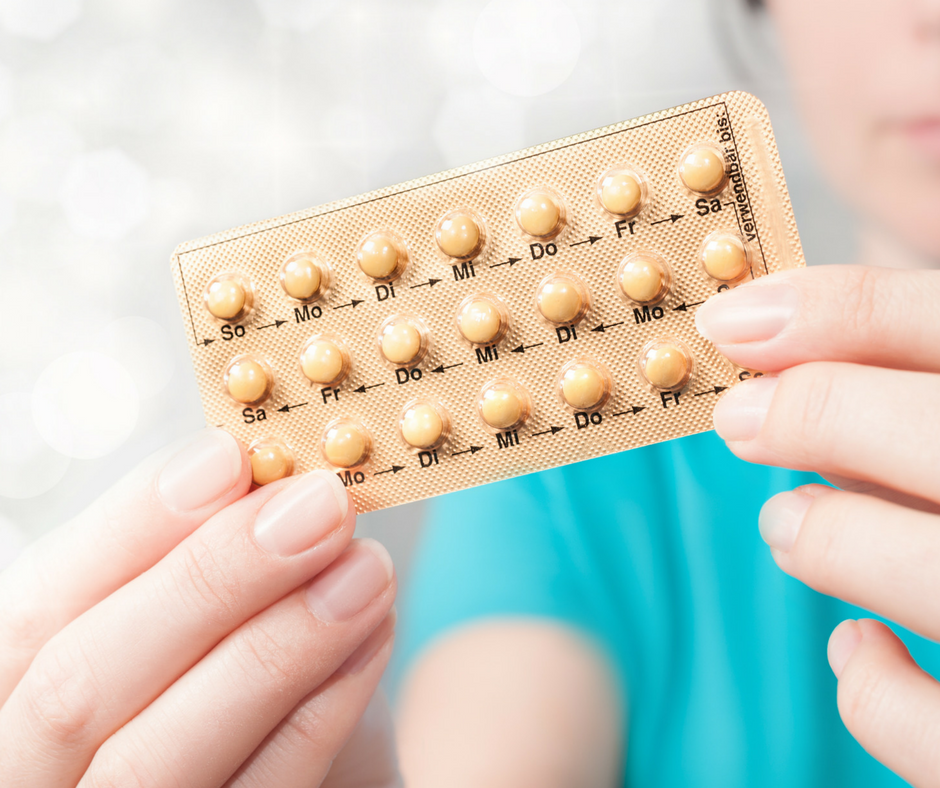
So back to my story – while I was taking prenatal vitamins and eating a nutrient-dense diet, what I came to discover is that my lack of quality prenatal vitamin early in this unexpected pregnancy, topped with years of birth control pills which deplete folate, layered with a slight MTHFR mutation created the perfect storm. My body was unable to process the folic acid and folate my body was receiving into active form, resulting in the tongue and lip tie in my son. While it’s a blessing that it was only minor concern comparatively, it did almost crumble our nursing relationship in those early days.
This newfound understanding about the misconceptions in prenatal nutrition led me to furthering my education in functional nutrition, deepening my knowledge about the nutritional relationship of the health conditions that plagues our society.
What’s a Mom to do?
So maybe you’re reading this, pregnant, and you discover that you’re taking a prenatal that contains folic acid. Do not fret! Fear and stress should be avoided at all costs. I wrote this article to empower and inform you about nutrition in pregnancy and choosing quality supplements.
Keep in mind that while you may have a MTHFR gene mutation, your body’s ability to process folic acid depends on the state of your gut, your genetics, and even how genes are expressed. (read more on epigenetics)
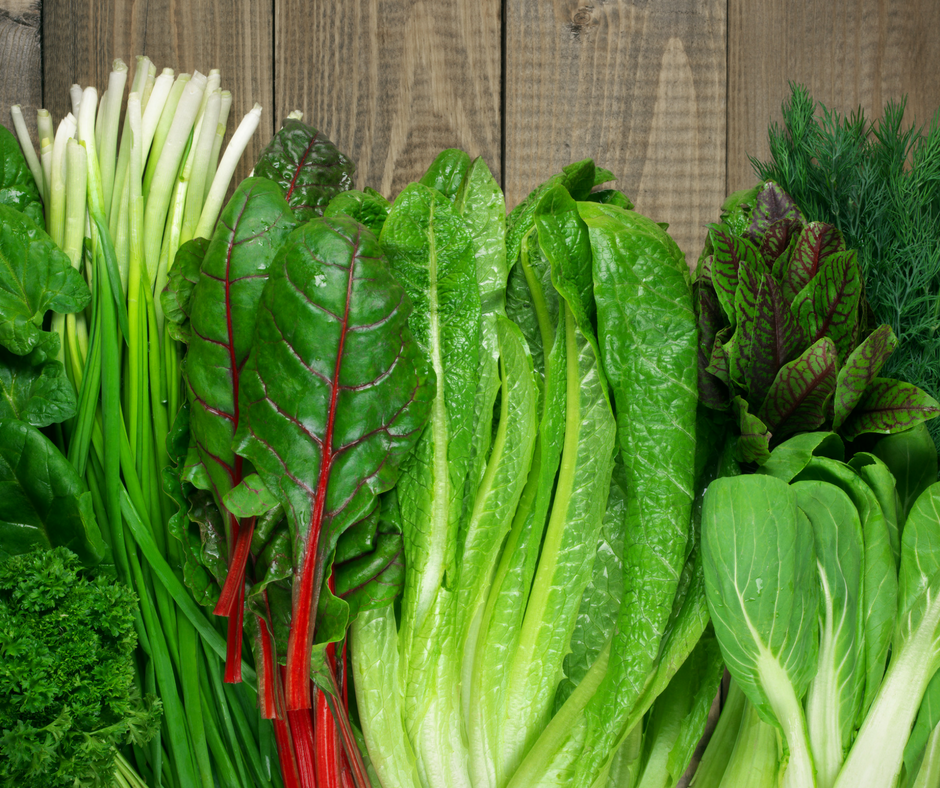
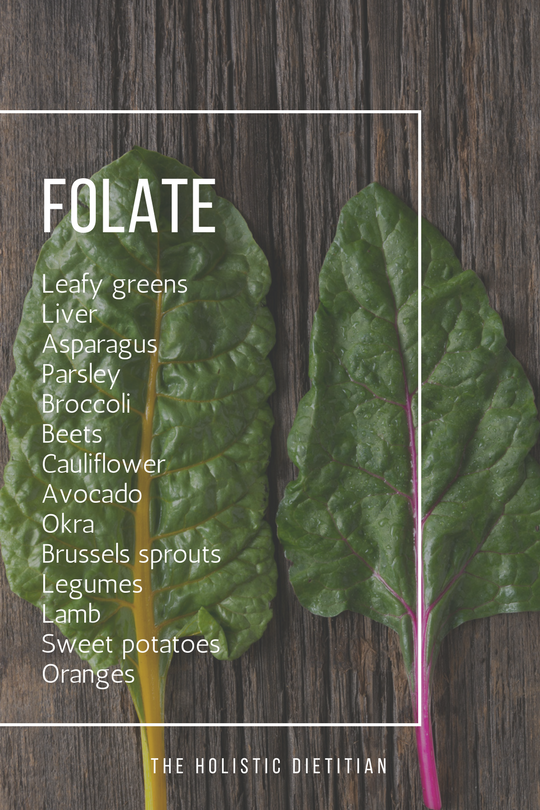
Opt for folate. Choose the natural form of folate from food sources. Excellent sources include leafy greens, liver, asparagus, parsley, broccoli, beets, cauliflower, avocado, okra, Brussels sprouts, and legumes. It’s recommended to consume between 800 and 1200 mcg of folate per day before conception and 600-800 mcg per day during pregnancy.
When it comes to supplements, avoid any that contain folic acid. Be sure to check all your multivitamins, prenatals, and B complex vitamins as many supplements contain folic acid. Other good forms of folate include “5-methyltetrahydrofolate” or “5-MTHF,” however it’s important to speak to your health care team whether these forms are appropriate for you (and how much). Hypermethylation is possible and is associated with cancer, immune dysfunction, and other adverse effects. (source)
Grand takeaway: Avoid folic acid by avoiding supplements that contain it along with processed {fortified} foods. Eat a diet with plenty of variety and nutrient-dense foods to support optimal intake.
Past generations ate by the mentality of “nose to tail,” making use of the entire animal. Many parts that we simply toss today such as the gristle, ends of bones, tendons, and skin would have be used to make things such as broths and gravies. But what a great source of collagen we’re missing out on!
Collagen is the most abundant protein in the body, encompassing connective tissue, skin, bones, muscles, tendons, and the gut. In fact, collagen protein makes up 30% of the total protein in the body and 70% of the protein in the skin!
Gelatin/Collagen works both as a whole food “supplement” but has some pleasant side effects in the beauty department. Collagen contains an array of amino acids for muscle growth, tendon and bone strength, joint health, growth of hair, nails, skin, and is great for digestion and liver function. The body’s production of collagen naturally reduces with age and often our body may not be at full capacity to produce this protein. Adding gelatin/collagen can be a wonderful addition to most individuals’ diets.
You’ll find both containers as staples in my kitchen. I use the collagen powder daily and use the gelatin powder as needed.
How to use
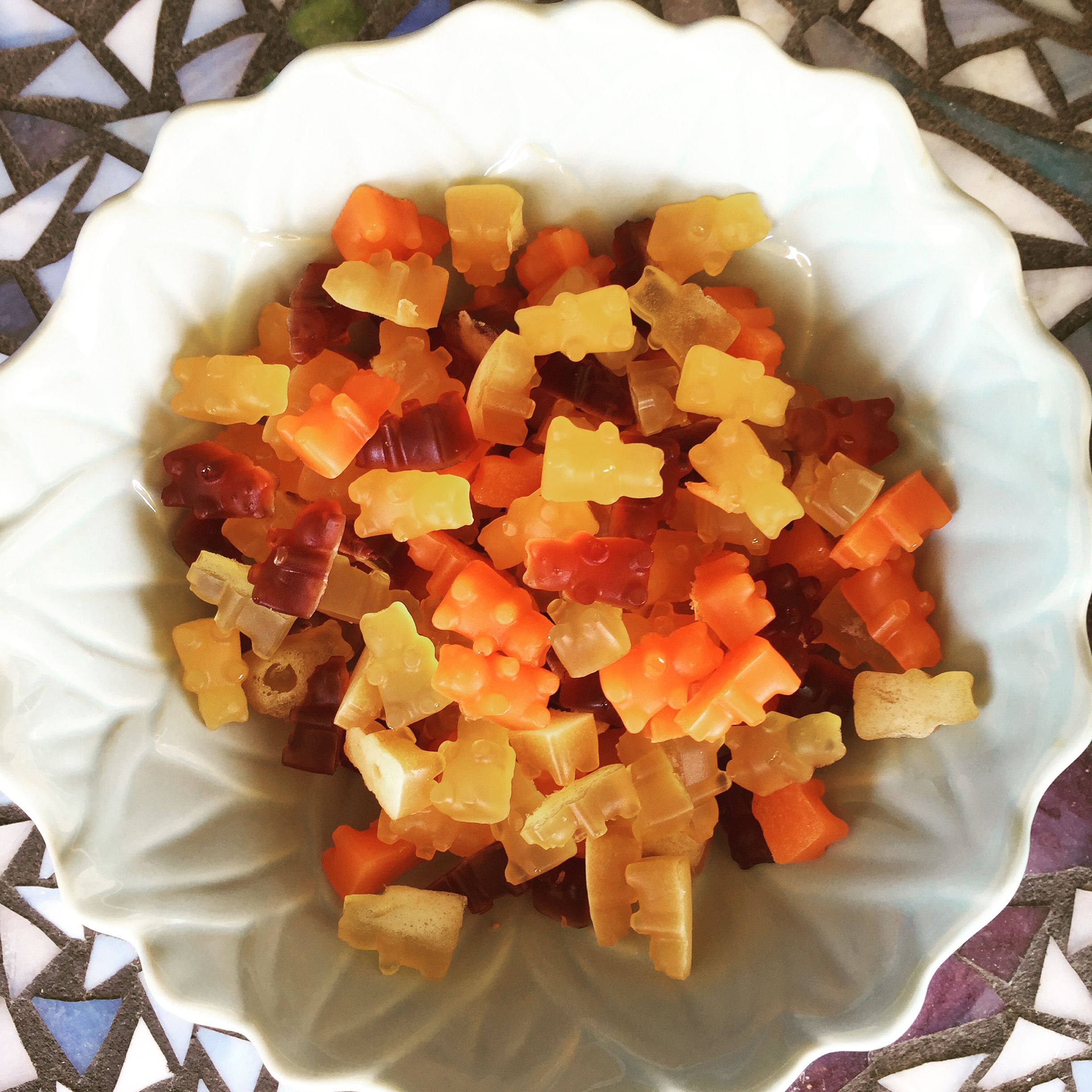
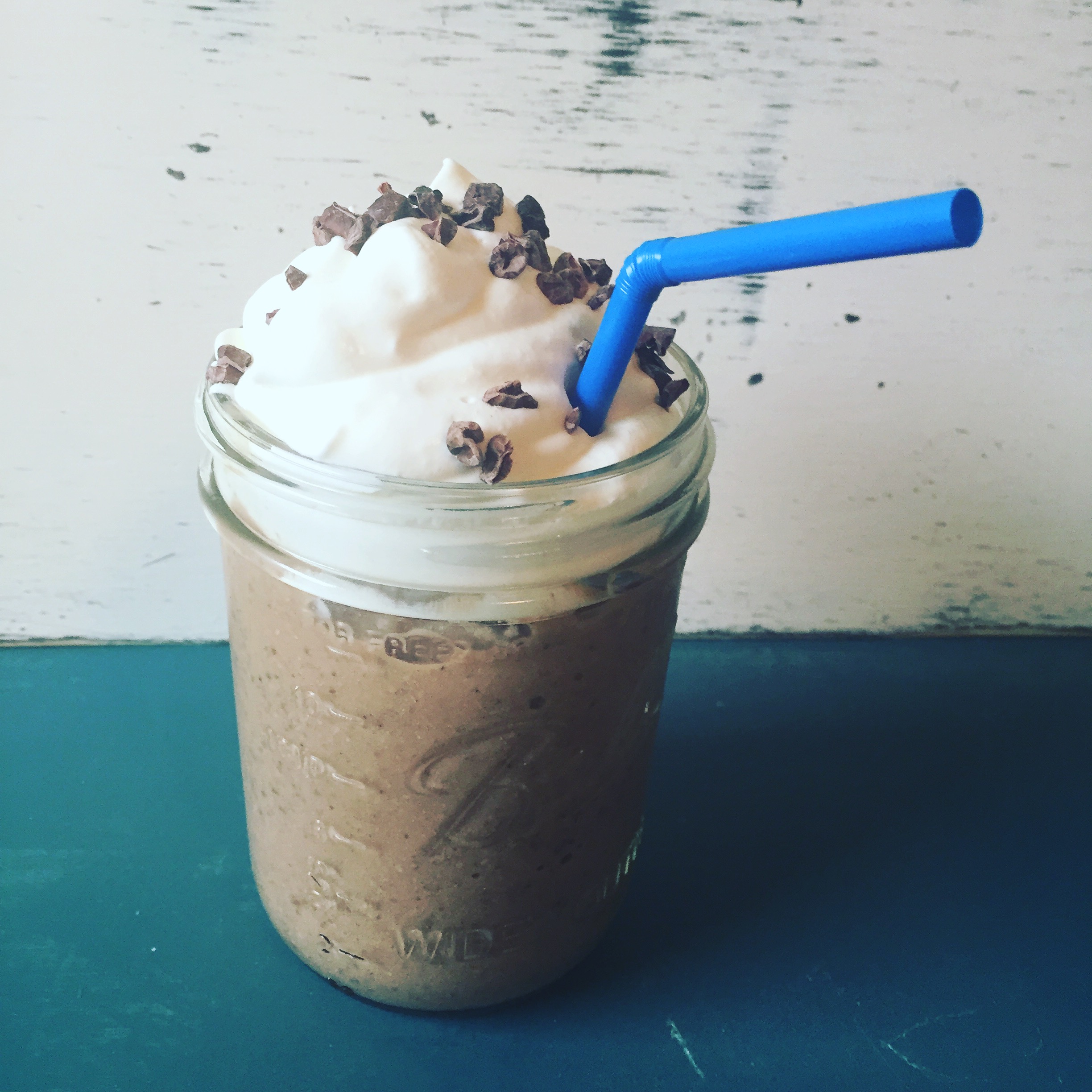
While gelatin and collagen (hydrolyzed form of gelatin) are typically used interchangeably, they serve different culinary purposes. Gelatin powder will gel when chilled while collagen powder will not. Recipe ideas for the gelatin include marshmallows, fruit snacks, thickeners for homemade yogurts, puddings, gravies, and soups. Collagen powder can be easily mixed in smoothies, beverages (like my chocolate milk recipe and my chocolate shake recipe), applesauce, yogurts.
#1- You are not squeamish. We are talking about digestion here. #2- You are considering having a baby in the next year. This information goes for both partners, not just mom. #3- If you experience one or more of the following symptoms:
belching
gas
heart burn or indigestion
nausea
bloating
diarrhea
constipation
cramping
gurgling
food allergies or sensitivities
Fertility is not a primary priority of the body. If we are malnourished or deficient in any way, our body may prioritize other life-supporting processes (such as having a functioning heart and liver) rather than exerting efforts to support creation of a new life. Optimal digestion is the key foundational component to make sure that we are supporting a well nourished and balanced body so that fertility may flourish and support a healthy baby when the time is right.
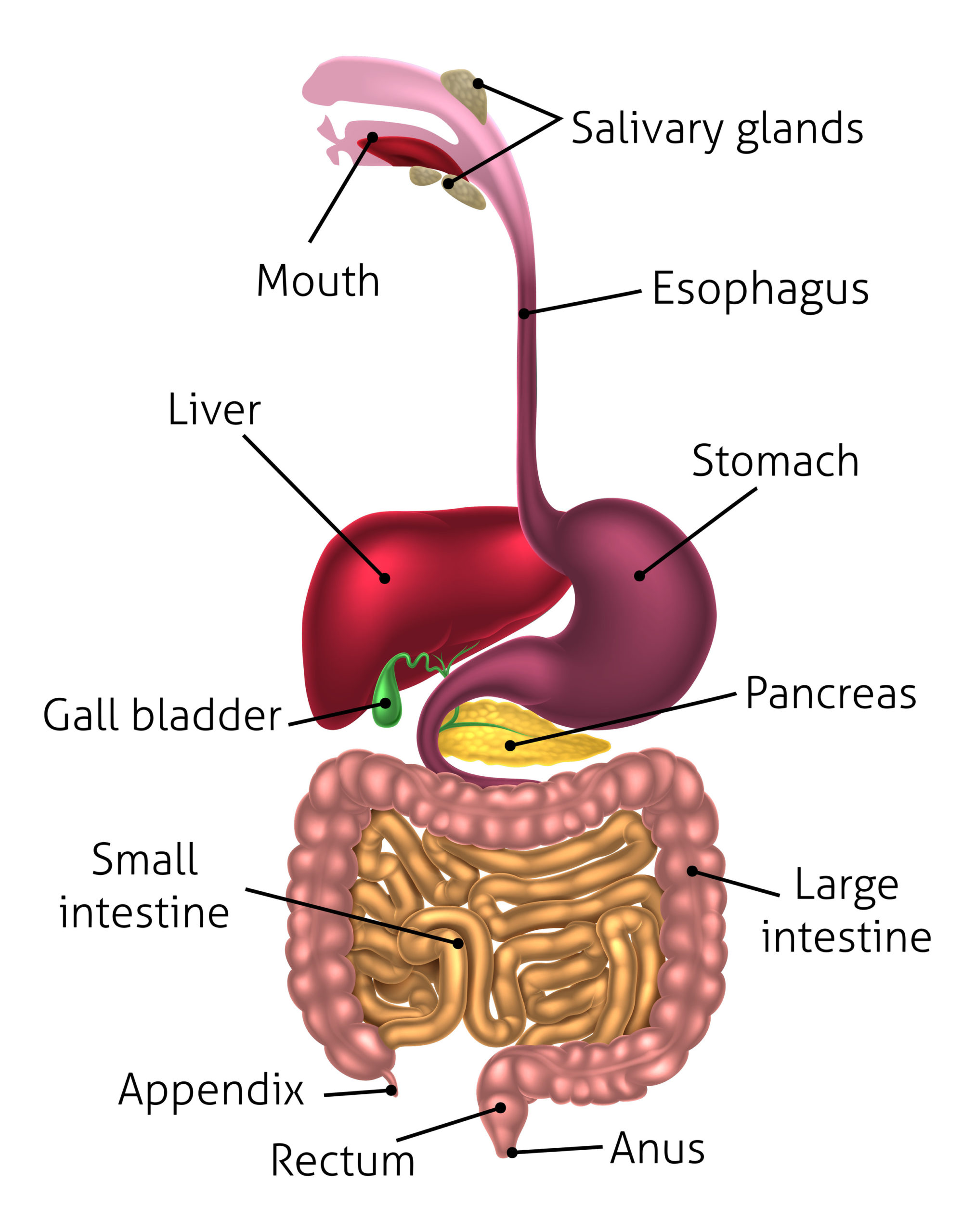
So let’s break down the process of digestion into eat, digest, absorb & assimilate, and eliminate and discuss the resulting impact on fertility…
EAT
This wouldn’t be a nutrition article without talking about food, right? So obviously, we need to be eating a well-balanced nutrient-dense diet for an array of nutrients: vitamins, minerals, phytochemicals, antioxidants. Fertility is a very intricate (and delicate) process and we need specific trace minerals and vitamins to keep the machine running smoothly.
The way we eat is just as important as what we eat. Look around the restaurant next time you’re eating out. How many people do you actually see enjoying their food? I bet not many. Instead, I am making a bet that you’ll see people doing one or more of the following as they eat: on their phone, yelling at kids, frazzled, in a rush, chewing their food only a couple of times before swallowing, taking food to-go to eat in the car. These situations do not allow us to appreciate our foods. We are not even tasting our food! We are eating just to quiet the belly.. and not for nourishment. Digestion starts before we even put food into our mouths! We must get into a parasympathetic state (the rest and digest state) for proper digestive secretions such as stomach acid, enzymes, and bile to be secreted. This step, although seemingly insignificant at first glance, lays the groundwork for the processes ahead.
DIGEST
The organs and glands of digestion must be working properly.Imbalances within organs or glands due to stress or nutrient deficiencies can compromise fertility. For instance, you need proper levels of stomach acid to efficiently breakdown protein. Low stomach acid is a common occurrence due to our stressful lifestyles, not getting into the parasympathetic state before eating, or from nutrient deficiencies (we need nutrients to create stomach acid!). It is a widespread belief that heartburn is a result of too much stomach acid, but the opposite is actually true. It’s actually quite rare to have too much stomach acid, in which you would have the rare disorder called Zollinger-Ellison syndrome.(1) Taking antacids or medications for heartburn can actually worsen the situation. Protein serves many purposes in the body, including acting as a precursor to hormones– a fertility must.
And let’s also touch on imbalances in the liver. If the liver is overwhelmed due to its 500+ responsibilities listed on its Job Description (whew!), and we throw in some blood sugar imbalances (which is a job the liver takes very seriously) or extra chemicals and toxins it must process (women put an average of 168 chemicals on their bodies daily(2)), then we’ve got a stressed out liver on our hands. A stressed out liver may get a little disgruntled and let other job duties slip. This may result in toxic buildup or improper conjugation (or inactivation) of estrogen. We’ll discuss the importance of proper elimination of hormones in a little bit. Having a happy liver and its administrative assistant, the gallbladder, benefits us during pregnancy as well by reducing chances of morning sickness and other pregnancy concerns. Speaking of gallbladder, we must ensure we’re digesting our fats properly, as they also serve as building blocks to hormones. Yes, you heard that right… we NEED fat in our diet!
So let’s keep our liver happy, the payback is not pretty.
ABSORB & ASSIMILATE
Asking our body to break down those wholesome foods that we provide it shouldn’t be so challenging, right? You’d think so. But given our stressful lives, our modern diet, and our compromised digestive ability due to the reasons we’ve addressed above, the issues seem to compound. Just think about it, we are going downstream here through the digestive tract. When we have issues up north, the further we get down in the GI tract, the more the problems stack up.
You may be familiar with a condition called “increased intestinal permeability”, also referenced as “leaky gut”. I won’t go into the causes of leaky gut in this article but here is a good guide to fill you in if these terms are new to you. Here is my skim-across-the-top overview:
poor gut health –> food molecules are not broken down completely –> impaired absorption/assimilation –> immune systems not recognizing the large food molecules passing through the bloodstream, and therefore freaks out –> triggering food allergies and sensitivities
Leaky gut puts us in a chronic inflammatory state, which is not conductive to fertility since the body is so focused on dealing with the ongoing threat of invasion, that hormone balance and the quality of sperm and egg production are compromised. A pregnant or nursing mom with a healthy and balanced gut flora will gift her baby with a healthy, robust digestive system, reducing the chances of gas, colic, eczema, and allergies.(3)
Foods can act as irritants or trigger this inflammation if we are sensitive to them. Gluten is notorious for suppressing thyroid function. Undiagnosed thyroid issues frequently show up in cases of so-called “unexplained” infertility and also a common reason for recurrent miscarriages.
ELIMINATE
This is part where everyone starts to blush. We were designed to take in food in their whole compounds, unbind, assimilate, and to repackage it for elimination. This goes for water, digestive secretions, bacteria, hormones, other waste products.
Old hormones are meant to leave the body. To maintain balance we need to properly eliminate excess and “expired” hormones. As mentioned earlier, the liver conjugates (or inactivates) estrogen, and then bacteria living in the large intestine will escort conjugated estrogen through the stools. This is critical is maintaining hormone balance to support fertility. On the other hand, unhealthy intestinal bacteria has a bad habit of deconjugating estrogen, causing it to be reactivated and reabsorbed into the bloodstream.
Speaking more about our gut flora, the “good” bacteria living in our intestines also play a critical role in creation of nutrients such as vitamin K, break down of toxins, and improve immune function. Not only that, but they also help convert approximately 20% of the inactive T4 hormone your thyroid produces to the active T3. (4) So here again, we see the link back to thyroid health and support of fertility. Imbalances in the intestinal and vaginal flora can also increase susceptibility to conditions like bacterial vaginosis, which is often associated with infertility and early pregnancy loss.
We need to keep things moving smoothly– not too slow… not too fast– to ensure we’re removing toxins and waste products to support overall health as well as fertility.
Bottom line: Digestion is a complex process that impacts fertility in numerous ways. As I think I’ve made clear throughout this article, systems of the body should not be viewed as separately, but rather, as intertwined dynamic relationships. Could digestive discomfort be the root of your fertility woes? It’s definitely possible. Schedule a consult if you’d like to dive deeper.
1. Low Stomach Acid: An Epidemic Hidden in Plain Sight. Retrieved May 01, 2016, from http://www.waccobb.net/forums/content.php?135-Low-Stomach-Acid-An-Epidemic-Hidden-in-Plain-Sight
2. Women Exposed to an Average of 168 Chemicals from Cosmetics. Retrieved May 01, 2016, from http://articles.mercola.com/sites/articles/archive/2015/05/13/toxic-chemicals-cosmetics.aspx
4. Digestion and thyroid health. (2014). Retrieved May 01, 2016, from http://naturalfertilityandwellness.com/naturally-healing-the-thyroid-part-two-digestion/