Microbes.

They cover everything, and are responsible for a lot more activity than we may notice. The human body alone is covered in multiple strains of microbes, both inside and out.

The building of the micriobiome is influenced by a couple of different factors:

play in the dirt.jpg
  • Our birth environment.

  • Our genetic/epigenetic expression

  • The kind of diet we consume (high-glycemic, low glycemic)

You are what you eat takes on a whole new meaning as a mom. 

When I talk about ‘our birth environment’, I am referring to everything that leads up to when we give birth. If we consume sugar-heavy diets while we are pregnant, this can actually mold our new infant’s “tastes” so to speak.

Now, it is ideal to have a healthy microbiome before you become pregnant, for all parties involved. But when that doesn’t happen, how do we support our children after the fact?

Drop the hand sanitizer!

We’ve never had a society so attached to their hand sanitizing gels and wipes. It’s important to maintain cleanliness, especially if you are in public places and your child is being exposed to a multitude of microbes. But overusing the cleansing products can be damaging to your child’s external (and internal) microbiome. You don’t have to avoid it entirely, but opting out for a healthier cleaning product may be best.

Let them play with dirt!

When Jude was old enough to sit up, I brought in a bucket of soil from the backyard for Jude to play with (it was winter). The old me would have looked at me now and said, “Are you insane? Dirt? In the HOUSE??”.  

It’s important to expose our little ones to reliable sources of soil and the great outdoors for the best microbial balance. A fairly recent study run on how being in contact with soil affects our own microbial expression resulted in finding that a particular microbe, M.Vaccae, actually improves anxiety.

Feed the machine…the right foods.

When there is a steady diet of simple carbohydrates (such as pastas, crackers, etc.), there is the risk of developing an overgrowth such as Candida. Candida Albicans, a pathogenic genus of yeast, can actually influence our disposition and cause mood swings. We always have a bit of Candida present at any given time, but if we consume a higher-glycemic diet, we can encourage it to grow.

Keeping your child’s diet as low-glycemic as possible will not only help to avoid this, but also help support their little bodies with the nutrition that they need!

Protect the inner ecosystem with the right probiotics.

It’s not always easy to figure out what probiotic is right for your child (and you may even have had some not-so-good experiences with some brands!). If you have not exposed your little to any regular form of probiotics just yet, or if they have exhibited some sensitivities lately, it might be best to start them out with probiotic food first.

Check out my blog post about incorporating probiotic apple sauce!

Getting in the greens.

A regular intake of some form of greens (raw and cooked) is food for your microbes! What protects you needs to eat too, and organic greens and root veggie tops (like carrot tops) are perfect for this. Prebiotic foods keep the good bacteria you have introduced satiated and proliferating.

Where you buy your greens is crucial, since much of what is in the store is pulled from minerally-deficient soil and lacks a lot of nutrients it should have. Opt out instead to buy your greens locally.

Every day will be a little different, and the process will never be perfect, but I always try to expose Jude to the great outdoors every day for at least an hour. Letting your child explore, whether they be at the “I’m just going to chew everything” stage, or the “busy body” stage, will help strengthen their microbiome and improve their eating habits.

Struggling with getting everything on track, or still not sure where to start?

Join the conversation with other women just like you in my Facebook group!

Q: Why am I making healthy changes but not losing weight?

Weight rebalance is complex. The thought that weight loss equates to more calories out over calories in is an old belief that should be retired.

While intake and movement are elements in what determines our weight, it’s not so simple. It’s a complex system of other factors including the dynamic dance of hormones (such as insulin, leptin, ghrelin, and cortisol), neurotransmitters, the presence of inflammation, and nutritional status.

Some experience weight loss when they first adopt healthy changes. But for some, they actually find that their body weight creeps up before the weight loss happens.

This could be due to in part of micronutrient deficiencies and hormone dysregulation. When you first start truly nourishing your body, your body’s first response will be to retain all the energy and nutrition you consume. As long as you are supporting your body through stress management, sleep, and moderate activity, this phase should be short-lived.

If weight loss still doesn’t come after complete compliance on a healthy lifestyle, then it calls for a deeper look to find the root cause. When the body is balanced and is fully nourished, it will heal from the inside out. Imbalanced weight is a symptom. Addressing weight is to support the body’s foundations in health: digestion, blood sugar balance, minerals, hydration, and fatty acid balance. Once we can determine why the body is in a state of survival, and we can reassure the body that it’s safe, the pounds will start to shed.

It’s also common for those making healthy changes to lose weight but then plateau, hovering about 10-30 pounds above where they’d like. This typically indicates the need for additional tweaks in the lifestyle to support further regulation of hormones. Or, simply, it could mean that the body knows what its healthy weight is better than you do!

In any discussion on weight loss, we need to discuss healthy expectations. Sometimes our desired weight is skewed by what our culture values as desirable or beautiful. BMI charts can also be misleading because they don’t take in to account of muscle versus bone versus fat. Additionally, we must understand that slow and steady weight loss is more sustainable than a quick fix. Take the The Biggest Loser contestants as an example. Many gain the weight back because the root cause nor hormones and metabolism are addressed.

Finally, we cannot forget that before any weight loss occurs, healing must take place. And this healing takes extra nutrition from the most nutrient-dense foods possible, not less.

Are you following all the nutrition “rules” and desire to lose weight? I have news that may shake your world. It’s possible to enjoy delicious food, separate guilt from eating, and not feel deprived to lose weight. If you have questions about how this would look, let’s chat about how to make your vision reality. But if you’re not ready for that, I highly recommend reading Happy Weight, written by a fellow Nutritional Therapy Practitioner to convince you that it’s possible to lose weight, be happy, and not follow a 800 calorie diet.

Folic acid versus Folate in pregnancy

folic acid & foalte.png

I sat on the couch crying in extreme pain as I was trying to nurse my newborn, who was also crying from frustration. I had years of experience supporting nursing moms and I knew pain was to be expected in the early days. But never in my wildest dreams had I expected it to be like this.

That’s when I popped out of my postpartum fog for a split second and thought to lift his little lip and check for a lip tie. Yup. There it was. It was a band that stretched from his upper lip down to the part that attaches to the gum. After confirmation from a local lactation consultant, he did indeed have both a lip and tongue tie.

Well, at least I had a reason for the extreme pain when breastfeeding. But WHY? As a dietitian, knew what to do. I took a food-derived prenatal, and had good nutrition prior to conception, and ate pretty well during pregnancy. That’s when in my research, I stumbled across the connection between folic acid, folate, and midline defects such as tongue and lip ties.

Folic acid and folate are often used interchangeably. But let’s take a deeper look and see what is the difference and implications behind them.

Folate & Folic Acid

leafy greens.png

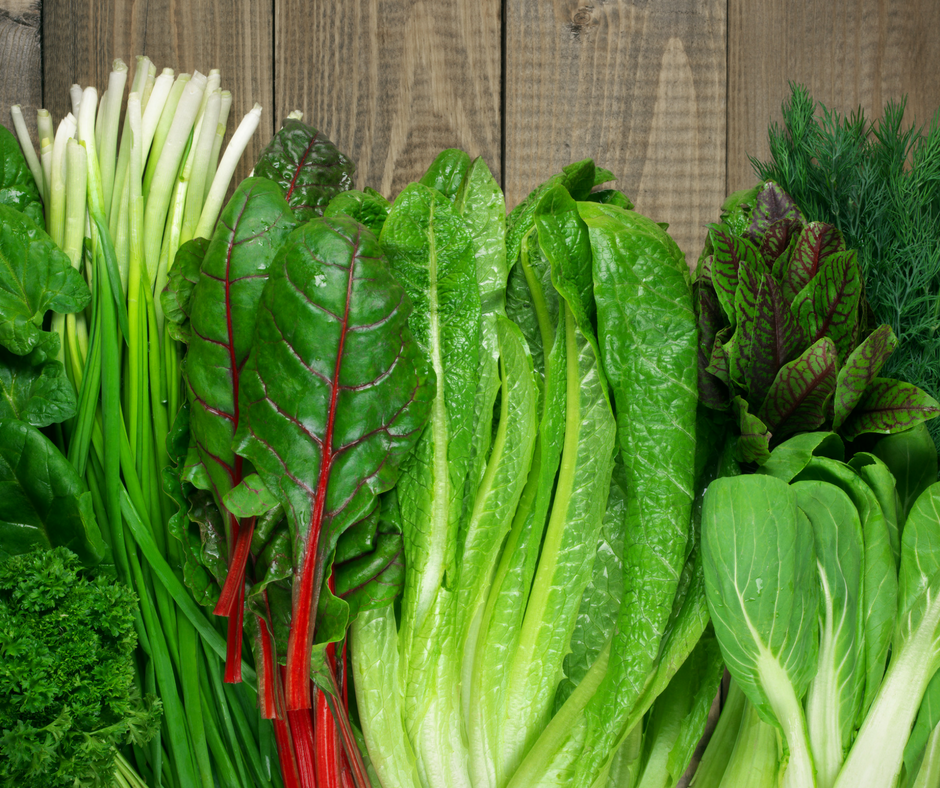
Folate, or vitamin B9, is actually considered a group of water-soluble vitamins. This nutrient is especially important prior to conception and during the very early stages of pregnancy. Involved in DNA production and cell division, it is especially critical to the development of the nervous system and prevention of neural tube defect. (source)

Folic acid refers to the synthetic form not found in nature. It is also inexpensive and more stable, which is why it is added to our food supply and in to many supplements – including many prenatal supplements. (source)

Why is Folic Acid in Our Foods?

In 1996, the FDA mandated the fortification our foods with folic acid in attempt to decrease the prevalence of neural tube defects. (source) Enriched breads, cereals, flours, cornmeals, pastas, rice, and other grain products became main contributors of folic acid, especially in our grain-laden American diets. (source) While fortification did reduce the risk of neural tube defects, this synthetic form, folic acid, may be posing a threat to those with a variation in their MTHFR gene.

grocery.png

What the mother is MTHFR?!

MTHFR is an enzyme methylene-tetrahydrofolate reductase, which helps convert the folate you consume into the active form, 5-MTHF, or, 5-Methyltetrahydrofolate.  (source) The MTHFR enzyme is actually the last step in this conversion. If you have a MTHFR polymorphism, which is often referred to as a MTHFR gene mutation, it is very likely that your ability to convert folate to the active forms will be affected. Additionally, we experience a loss of the enzyme in the liver needed to turn folic acid into folate for the body to use. Approximately 60% of us today have a compromised ability to convert folic acid to the active form. (source)

What this means

Folic acid can affect those who are unable to process it because it occupies the receptors on cells that need folate, meaning that the body will not be able to process any natural folate from the diet. Even more startling is that studies are revealing that chronic consumption of folic acid may actually be creating a deficiency, even in those with without the MTHFR gene mutation. (source)

With increased intake of folic acid – whether through fortified foods or folic acid supplements – only a small percentage is converted in to the useable form, resulting in unmetabolized folic acid in the blood. Research shows that synthetic folic acid can increase the risk of some cancers (source) and childhood asthma (source), may mask vitamin B12 deficiency (source), and also depress immune function (source). Meanwhile, possible conditions related to folate deficiency include neural tube defects, recurrent miscarriage, midline defects (heart murmur, oral palate, sacral dimple), neurological problems, anxiety, growth problems, thyroid problems, anemia, and more.

Mid-line Defects

birth control pills.png

So back to my story – while I was taking prenatal vitamins and eating a nutrient-dense diet, what I came to discover is that my lack of quality prenatal vitamin early in this unexpected pregnancy, topped with years of birth control pills which deplete folate, layered with a slight MTHFR mutation created the perfect storm. My body was unable to process the folic acid and folate my body was receiving into active form, resulting in the tongue and lip tie in my son. While it’s a blessing that it was only minor concern comparatively, it did almost crumble our nursing relationship in those early days.

This newfound understanding about the misconceptions in prenatal nutrition led me to furthering my education in functional nutrition, deepening my knowledge about the nutritional relationship of the health conditions that plagues our society.

What’s a Mom to do?

So maybe you’re reading this, pregnant, and you discover that you’re taking a prenatal that contains folic acid. Do not fret! Fear and stress should be avoided at all costs. I wrote this article to empower and inform you about nutrition in pregnancy and choosing quality supplements. 

Keep in mind that while you may have a MTHFR gene mutation, your body’s ability to process folic acid depends on the state of your gut, your genetics, and even how genes are expressed. (read more on epigenetics)

folate.png

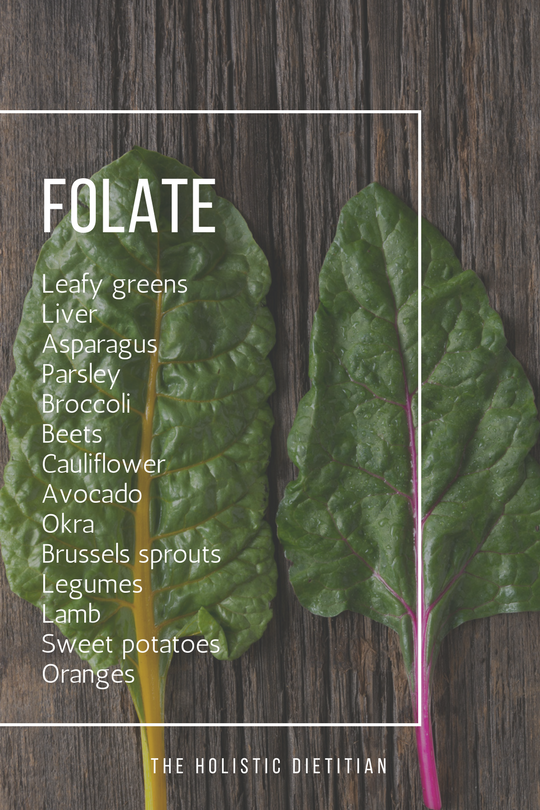
Opt for folate. Choose the natural form of folate from food sources. Excellent sources include leafy greens, liver, asparagus, parsley, broccoli, beets, cauliflower, avocado, okra, Brussels sprouts, and legumes. It’s recommended to consume between 800 and 1200 mcg of folate per day before conception and 600-800 mcg per day during pregnancy.

When it comes to supplements, avoid any that contain folic acid. Be sure to check all your multivitamins, prenatals, and B complex vitamins as many supplements contain folic acid. Other good forms of folate include “5-methyltetrahydrofolate” or “5-MTHF,” however it’s important to speak to your health care team whether these forms are appropriate for you (and how much). Hypermethylation is possible and is associated with cancer, immune dysfunction, and other adverse effects. (source)

Grand takeaway: Avoid folic acid by avoiding supplements that contain it along with processed {fortified} foods. Eat a diet with plenty of variety and nutrient-dense foods to support optimal intake.

(my entire blog post summed up in under 30 words) 

For more information about nutrition for your pregnancy, schedule a complimentary meet and greet session.

buildsmoothie.png

I think many would agree that there’s a right way and a wrong way to do smoothies. There’s certainly an art to it. There has a be a good texture, perfect temperature, and a great mesh of flavors. Nutritionally speaking, there’s more than one way to mess up a smoothie.

In my last blurb, I explained how drinking smoothies can disrupt digestion. While I don’t think that for most people swapping out smoothies for whole vegetables would be of any benefit, I will agree they are enjoyable and a great way to get in extra vegetables. But before we begin, let’s cover the differences between smoothies and juices, how to ruin a smoothie, and then we’ll wrap up with my template for building a better smoothie. Let’s roll..


smoothie versus juice: the age old debate

smooth·ie, pronouncedˈsmo͞oT͟Hē/. noun.
1. a man with a smooth, suave manner. (who knew?!)
2. a thick, smooth drink of fresh fruit pureed with milk, yogurt, or ice cream.  (source)

juice, pronounced jo͞os/. noun
1. a drink made from fruit or vegetable juice (source)

The process of juicing extracts water and nutrients from the fruit and vegetables and discard the fiber. Most juices have had all their pulp removed, and will have more concentrated sugar and little (if any) fiber. Smoothies, on the other, are blended and will contain the entire fruit or vegetable, including the skin and fiber. This pulverized fiber, will slow down the absorption of the natural sugar from the produce. Fiber acts as a signal to inhibit ghrelin, the hunger hormones, which means it will help provide satiety. For this reason, juices will leave you feeling hungry more quickly.

Juices do have a time and a place. For instance, they can be a great way to support an intense healing and detoxification program (such as in the case of cancer) as a way to quickly saturate the body on a cellular level. But here’s the deal, juices cause a rapid increase of blood sugar and will put your pancreas, adrenals, and liver in overdrive trying to mitigate the impact of all that straight sugar.

How to ruin a smoothie

  • Use only fruit. This can negatively impact blood sugar levels.
  • Not adding enough color or veggies. Smoothies are a great way to sneak in some extra veggies in to your diet. We should be striving to get in each color of the rainbow in to our diet daily, so sneak in some variety of color in there too. Yes, your smoothie may turn out brown, but it’ll taste just as yummy!
  • Not balancing the carbs with protein and fat. Fruit and vegetables count as carbs. Protein and fat will make the smoothie more satiating and will help to balance the carbohydrates to support more stable blood sugar levels.
  • Adding in overly-processed powders or smoothie enhancers, such as protein powders, that are denatured, poor quality, or contain artificial sweeteners.
  • Overly relying on smoothies as a source of calories and/or vegetable intake.
  • Not taking the time to sit down and actually enjoy your smoothie. Not taking the time to eat and digest will wreck digestion and can feed pathogenic gut bacteria. See my previous post for more about this.

How to build a better smoothie

Here’s my three key tips:

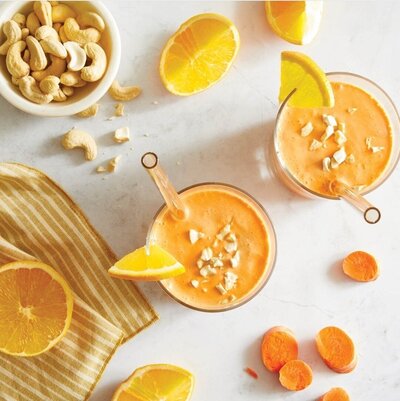
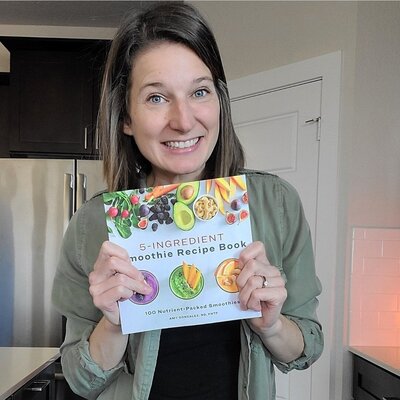
  1. Use those vegetables! Stick to no more than half of the smoothie of fruit, and really packing in those vegetables – aiming for as much as you can get away with. As for the other ingredients, I never measure; it always turns out to be slightly unique this way! Check out my Eat the Rainbow smoothie recipes!
  2. Choose quality ingredients. Stick to the principal of whole-food ingredients. Use the Dirty Dozen, Clean 15 list to help you shop for organic produce. Organic frozen produce is a great option here to maximize freshness. Also, shop in season at your local farmers markets and freeze. I even make my own personal grab-and-go smoothie packs, which I toss my smoothie ingredients in ziplock bags. On busy mornings, just grab from the freezer, blend, and eat! You can even freeze greens — try it!
  3. Balancing the protein, fat, and carbohydrates.

And the most important part is to enjoy! Sit down and drink that smoothie. Even better, make it in to a smoothie bowl so that you’re slowing down, chewing, and optimizing digestion!

smoothiegumblog.png

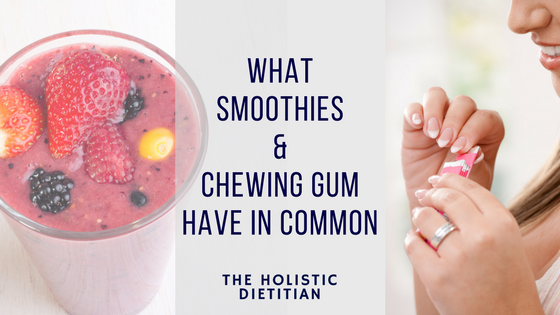
Answer: They both impact digestion.

But probably not how you think.

The act of chewing stimulates digestion. It’s your body’s way of telling the rest of your body, “Hey, get ready down there! Food is coming!”

This triggers the release of hormones and digestive secretions that will help you break down whatever food that is about to pass through your esophagus. I want to emphasize hormones here. Many times we don’t think of digestive implications when we think of hormone imbalance. But have you heard of the hormone insulin? Or ghrelin or leptin (both of which help control our hunger/satiety)? When these hormones are released in anticipation without food actually coming, then that’s where things can go awry.

Chewing gum stimulates this process, and can actually cause you to swallow air, causing pain, bloating, and other digestive issues. Also, chewing gum can cause tooth decay and can release mercury from amalgam fillings. For this reason, pregnant women especially, should avoid chewing gum if they having silver fillings. Even chewing gums that contain artificial sugars are worrisome because of their impact on the gut flora. (source) So in the case of chewing gum, you’re tricking your body to thinking there’s food coming that actually isn’t.

On the flip side, we have smoothies and shakes. Remember that the act of chewing prompts the digestive tract to be on alert. When we drink our meals, we tend not to digest them well since digestion may still be, uh, sleeping on the job. (read more) To compound on this, we typically are drinking these beverages on the go, which puts us in to a sympathetic (i.e. “fight or flight”) state. If you’ve been around here long enough, you’ve heard me talk about the importance of being in a parasympathetic state (the “rest and digest” state) when we eat to support adequate digestion. (Read more about it here.) We should be in a parasympatetic state about 80% of the time, however most of us are in inverted, and are sympathetically-dominate. To put it simply, if we’re driving, standing up at the counter, eating while working, etc… our mind/body is more concerned about other things than breaking down our food, which will negatively impact digestion and can even feed the wrong bacteria in our guts.

smoothie bowl

The right way to do smoothies would be to focus on balancing protein, fat, and carbohydrates and focus on whole-food ingredients. Smoothie bowls are a great idea because instead of slurping them through a straw, they require use of a spoon causing us to eat them more slowly. Often, they have nuts, fruit, or other toppings which we have to chew, prompting digestion. While well-balanced smoothies and shakes can be healthy on occasion and while practicing mindful eating, we must be careful not to overly rely on them. For more information, read my follow-up post on building a better smoothie.

So there you have it! Chewing gum and smoothies both impact the digestive system through slightly different mechanisms. If you have any digestive complaints such as indigestion, heartburn, bloating, cramping, gas, leaky gut, food sensitivities, then you may need to consider if either of these habits may be affecting your digestive system.

If you’re ready to optimize digestion and heal your gut, let’s chat for a free 30-minute meet-and-greet appointment to see if we’re a great fit! Schedule your meeting here.

File Oct 09, 9 23 11 AM.jpeg

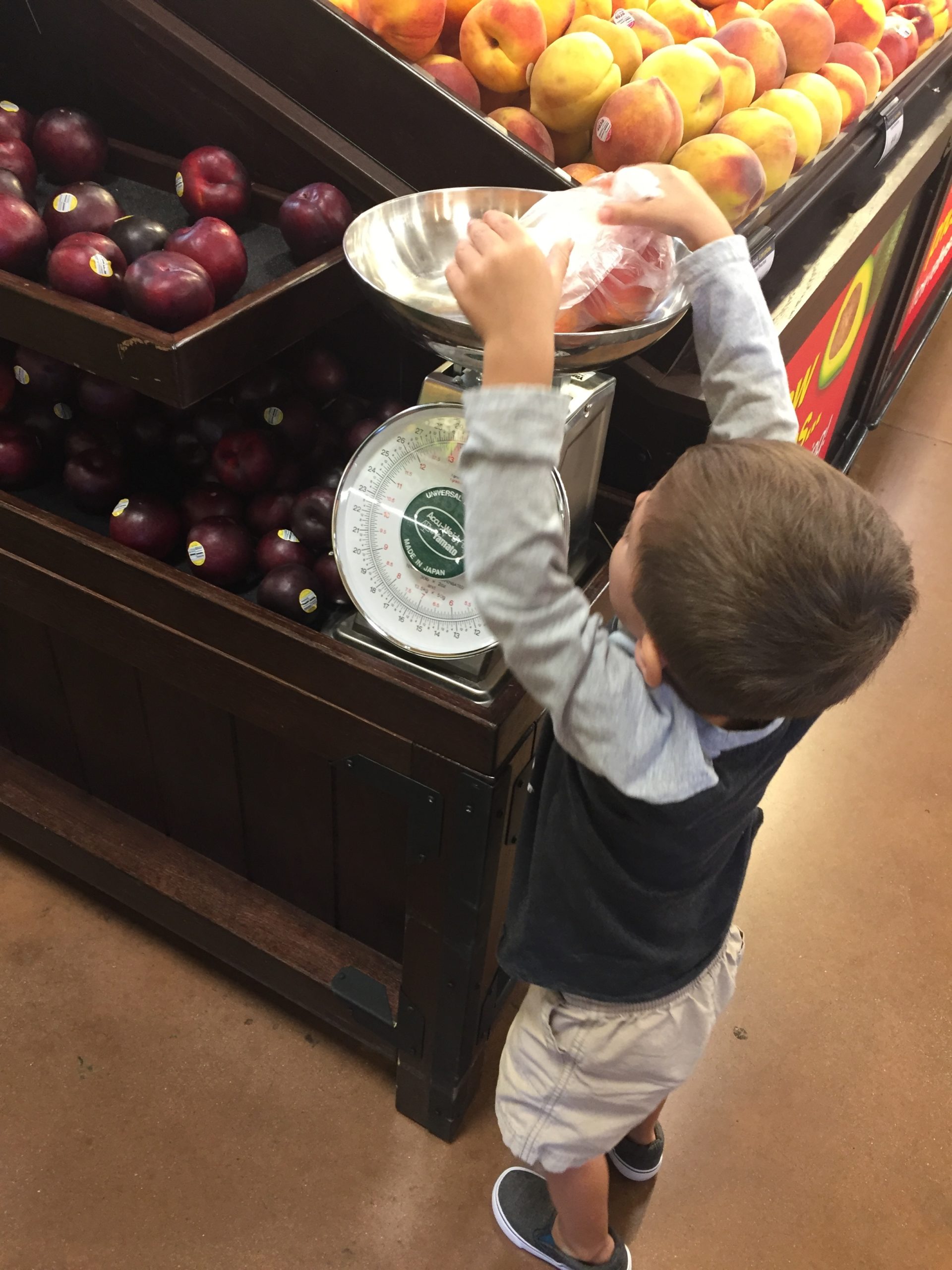
The grocery store can be a quite an adventure with kids! The more we involve little ones in the day to day tasks such as meal planning, shopping, and cooking, we are instilling healthy values in our children. While simply being with your child, with a few laughs thrown in can be rewarding itself, here are a few ideas on how to enrich your experience to make it a grand adventure for young learners:

> Recruit kids in making the grocery list! This is a great exercise for those first starting to learn to write. But even before they can write words, they can draw pictures of the item! 🍎
> Draw a map of the grocery store and turn it in to a scavenger hunt! Great way to teach children about the grocery store layout and distinguishing between produce, meats, dairy, etc…
> Have kids read the packages of items you pick up. (Great opportunity to discuss reading food labels with older kids)
> Discuss with children where the foods come from. Whether it be along the lines of “beef comes from cows” or a bit more challenging such as where bananas are natively grown!
> Talk about why colors they see in the produce section.
> Have kids pick out a color and then choose one vegetable or fruit of that color.
> Enjoy a new experience together by challenging yourselves to pick one new vegetable your family hasn’t tried.
> Play “I spy” games. “I spy a veggie that’s green.”
> Have kids pick out the produce while teaching them about how to select the best watermelon!
> Let them hold on to the list, read it off, and cross off items as you go.
> Practice their numbers by having them count out the items as you put them in to the bag. 

What would you add to this list? Comment below!

A nutrient our culture is lacking…

Homemade marshmallows

Past generations ate by the mentality of “nose to tail,” making use of the entire animal. Many parts that we simply toss today such as the gristle, ends of bones, tendons, and skin would have be used to make things such as broths and gravies. But what a great source of collagen we’re missing out on!

Collagen is the most abundant protein in the body, encompassing connective tissue, skin, bones, muscles, tendons, and the gut. In fact, collagen protein makes up 30% of the total protein in the body and 70% of the protein in the skin!

2016-07-06 16.37.50-2.jpg

Gelatin/Collagen works both as a whole food “supplement” but has some pleasant side effects in the beauty department. Collagen contains an array of amino acids for muscle growth, tendon and bone strength, joint health, growth of hair, nails, skin, and is great for digestion and liver function. The body’s production of collagen naturally reduces with age and often our body may not be at full capacity to produce this protein. Adding gelatin/collagen can be a wonderful addition to most individuals’ diets.

You’ll find both containers as staples in my kitchen. I use the collagen powder daily and use the gelatin powder as needed.

How to use

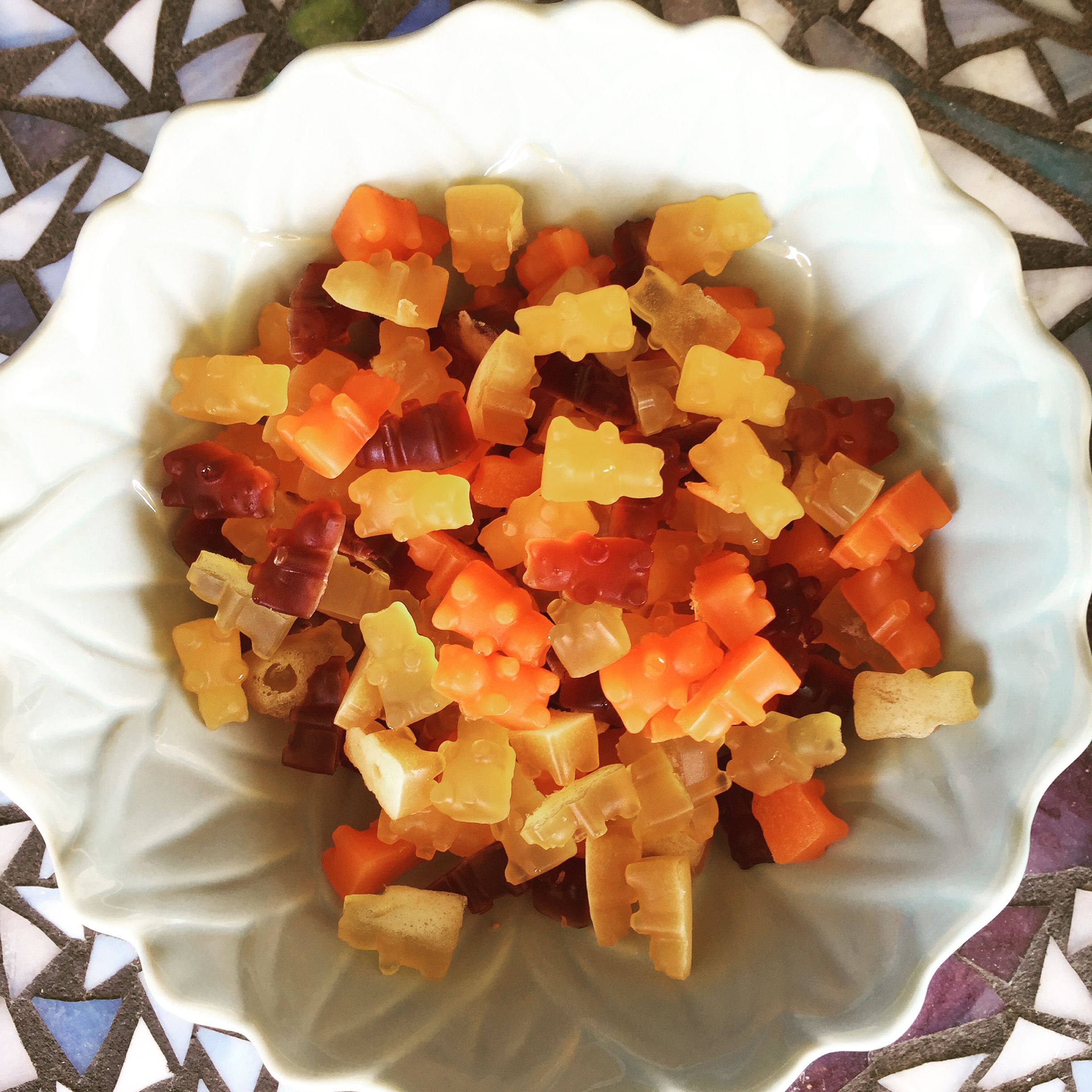
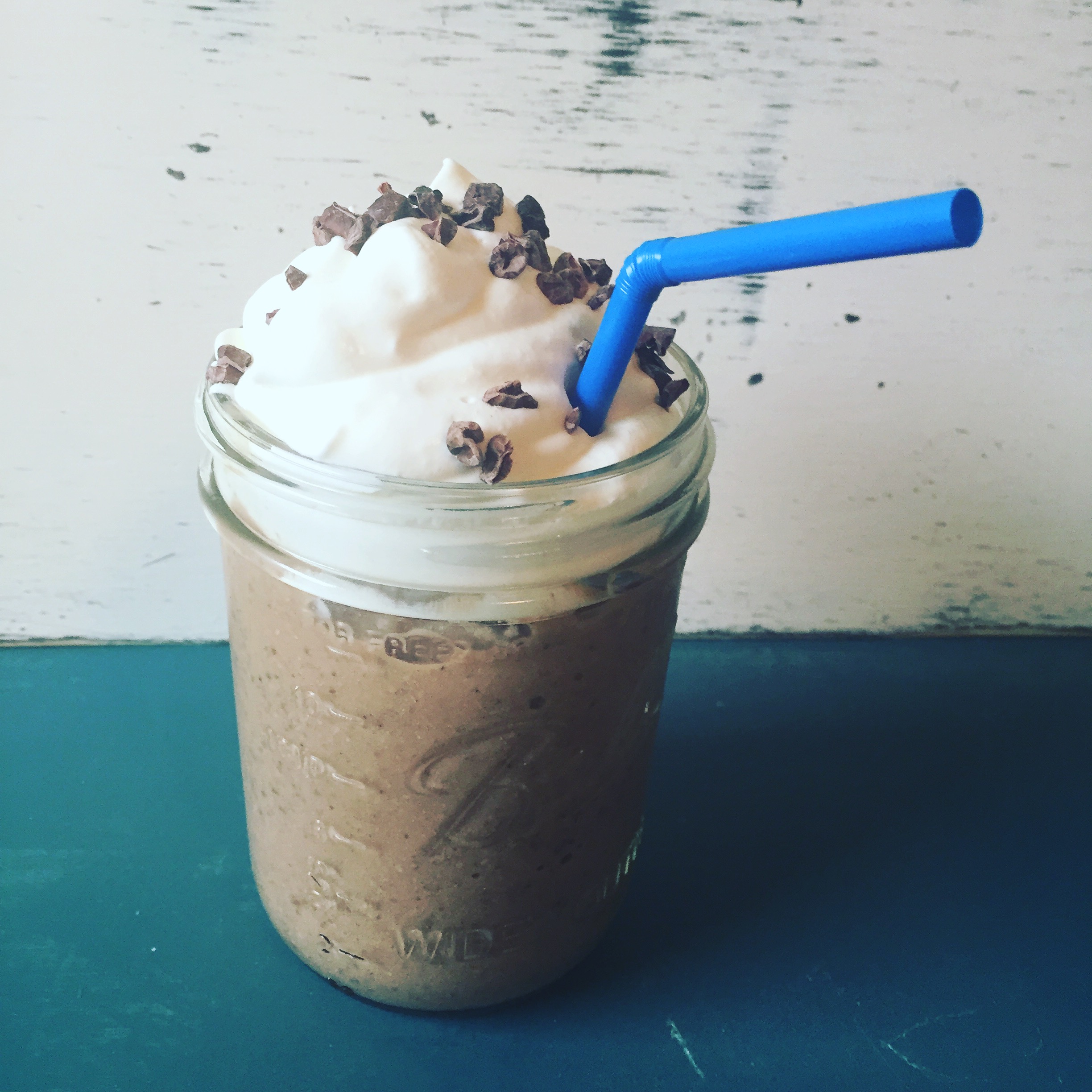
While gelatin and collagen (hydrolyzed form of gelatin) are typically used interchangeably, they serve different culinary purposes. Gelatin powder will gel when chilled while collagen powder will not. Recipe ideas for the gelatin include marshmallows, fruit snacks, thickeners for homemade yogurts, puddings, gravies, and soups. Collagen powder can be easily mixed in smoothies, beverages (like my chocolate milk recipe and my chocolate shake recipe), applesauce, yogurts.

2016-04-13 11.28.34-1.jpg

Products I mentioned in this video

Lego molds
Gummy bear molds
Beef Gelatin
Collagen Peptides


How do you and your family use gelatin and collagen powder?

This post contains affiliate links. Please see my affiliate disclosure for more information.

Shopping with The Holistic Dietitian: Chocolate

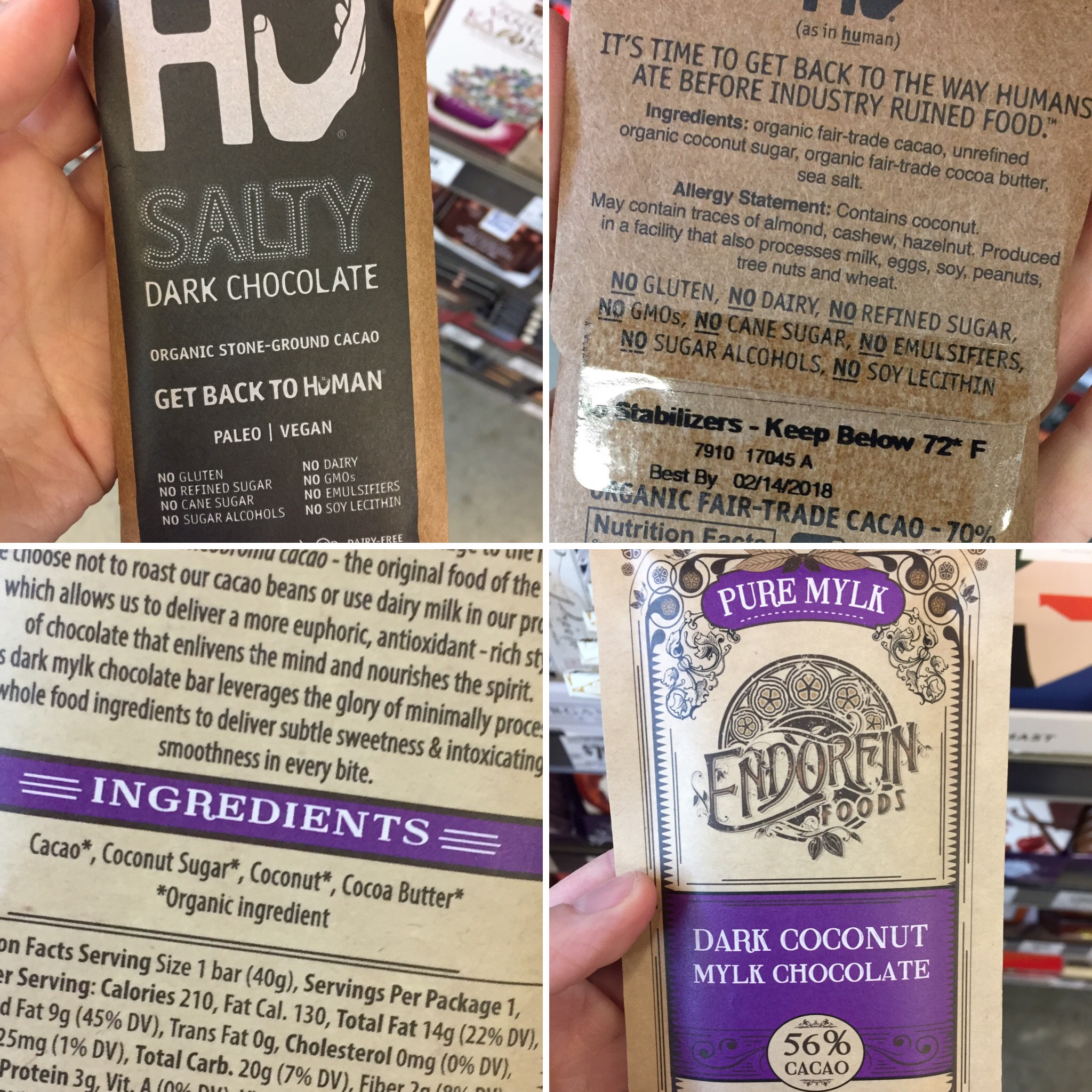
I was asked by a participant of my RESTART® class about what to look for when shopping for chocolate (for post-RESTART, of course!). So, I obliged and took a trip out to Central Market to drool over chocolate in the chocolate aisle. In my previous yogurt blog post, I laid out the “ideal” and “standard” options along with a list of what to avoid. I will follow the same fashion in this post.

Chocolate can actually be a superfood in that it is a healthy, nutrient- and antioxidant-rich food, but it’s important to know what to look for when shopping. Many chocolates in the store can be considered counterfeit and lack much of the nutrients it possessed when it was in it’s true state as cacao. So let’s talk chocolate!

What to look for

Choose chocolate based on ingredients list. The shorter the ingredient list, the better. The basics that the chocolate bar may include would be cacao beans, sweetener, and possibly cocoa butter. To put it simply, look for the darkest chocolate bar available (70% or higher). If you’re avoiding dairy, there are plenty of chocolates that are dairy-free, just be sure to read the label carefully. Try to find ethically traded chocolate made with unroasted, organic cacao beans. For the sweetener, best choices would be honey, maple syrup, or coconut sugar. I haven’t been able to find any in stores with honey or maple syrup but did find quite a few with coconut sugar.

What to avoid

– waxes
– fillers
– refined flours
– refined sugars
– soy lechitin
– sugar alcohols
– GMOs
– emulsifiers

I hate meal planning.

There, I said it.

I am a dietitian and foodie, but also a wife and mom. And I hate sitting down to plan out my meals. (Now that I’m confessing, I also hate to grocery shop.)

2017-05-19 16.46.57.jpg

I used to try to convince myself that I enjoyed meal planning. It’s true, I enjoy cooking and I enjoy discovering new recipes. But I find that as a busy mom, if I do manage to sit down to meal plan, I have a two year old up in my face trying to doodle on my meal plan template.

Practicing functional nutrition, I create personalized nutritional plans tailored according to my clients’ biochemical make up, genetics, environment, lifestyle, health goals, and more. Finding a service that allowed for the flexibility within the uniqueness of each and every one of my clients was difficult.

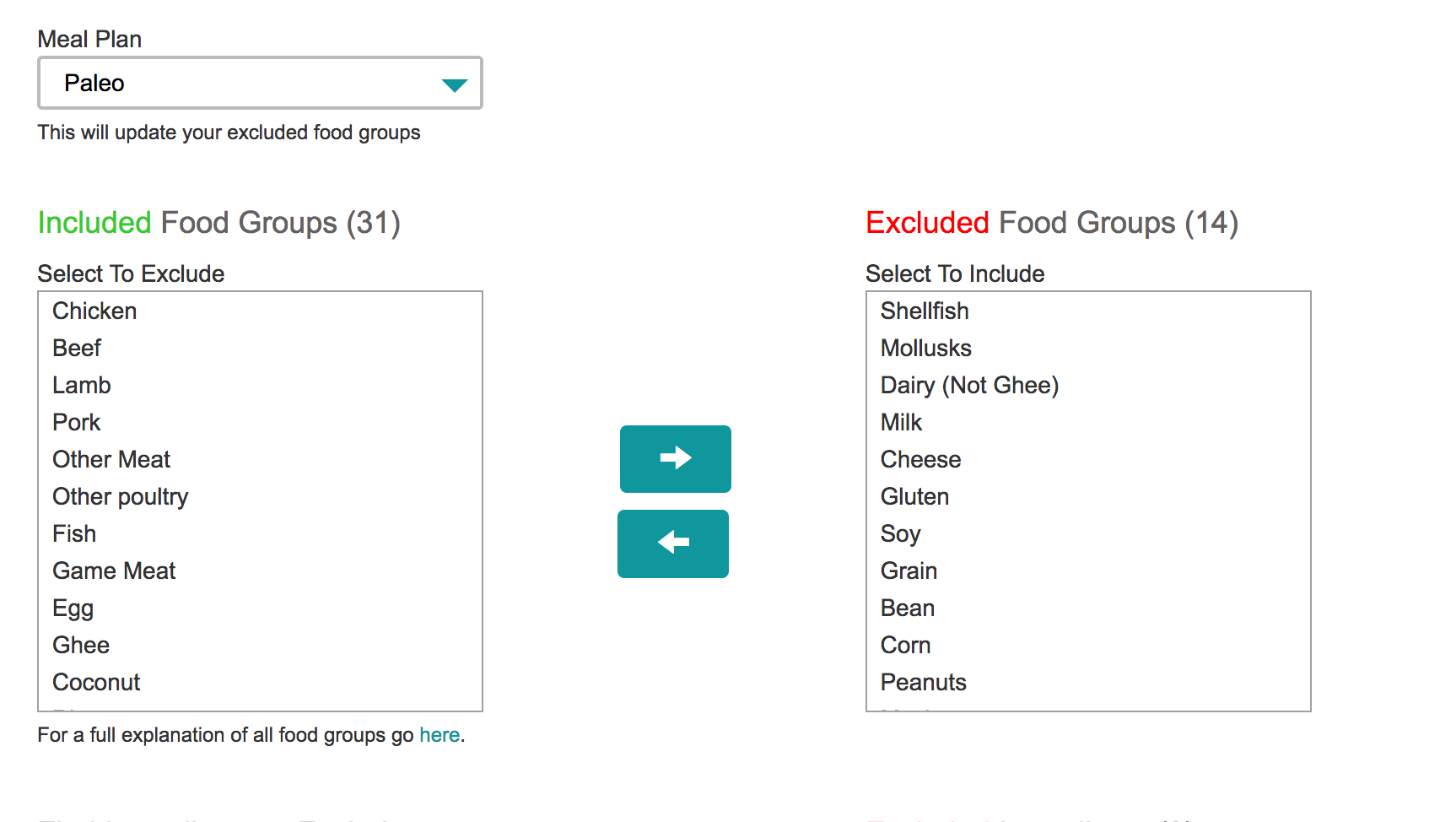
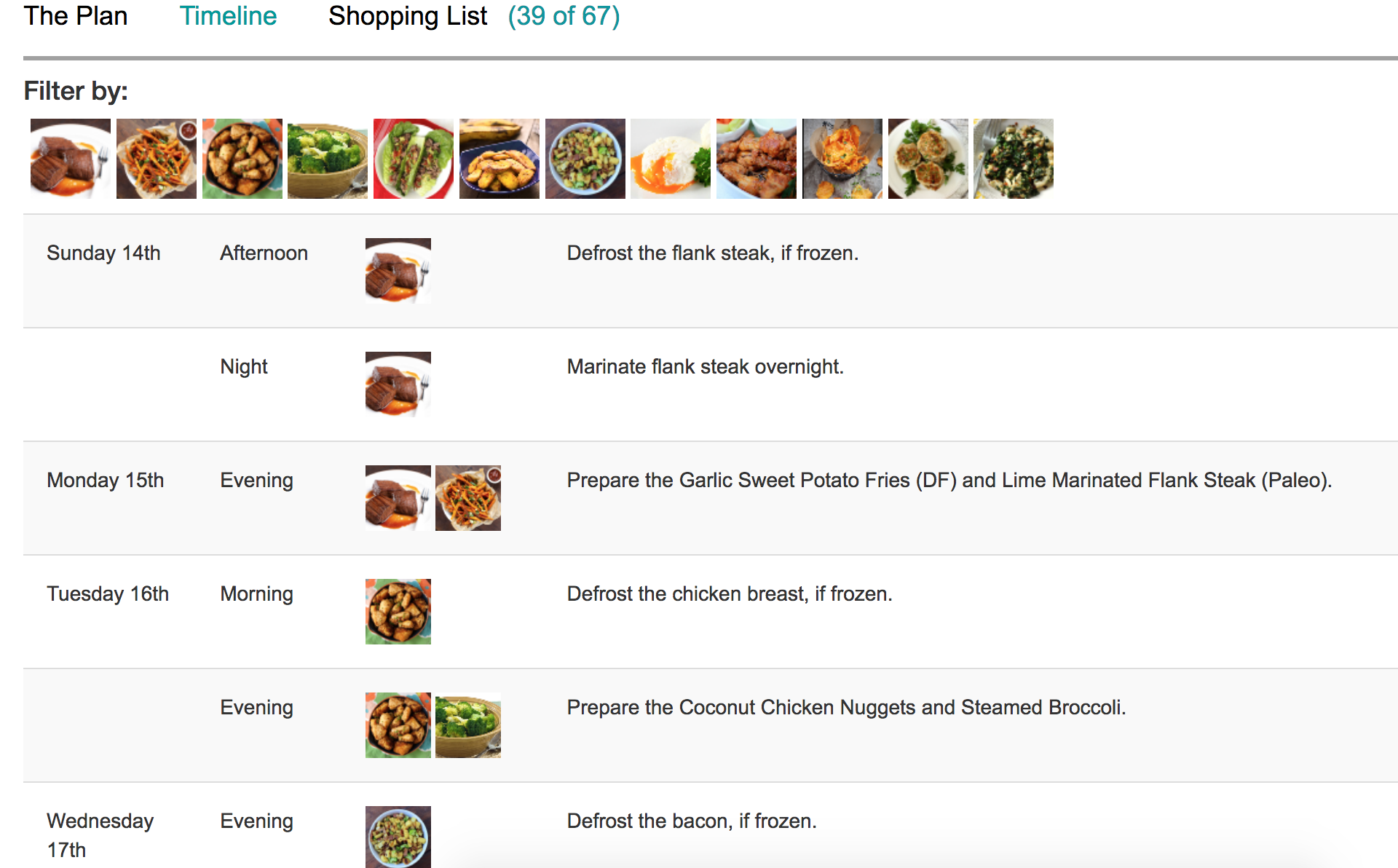
So when I stumbled upon Real Plans, I was thrilled to find a service is based on REAL food menus and allows total customization! When setting up your account, you are able to select your cooking preferences (i.e. novice cook or cook from scratch), what days you want to cook, how many servings, as well as what type of diet you follow (Traditional, Gluten-free, Dairy-free, Paleo, Keto, AIP, GAPS, Whole30). From there you can even customize your diet preferences even further!

Not only that, but Real Plans has cut my own meal planning time drastically! I am able to meal plan in less than 10 minutes and have been known to meal plan in the car before I walk in to the grocery store!

Each week, you’ll be able to access, email, and print your meal plan, recipes, timeline (with steps including prep, soak, and thaw), and complete grocery list. One hesitation I had was the price. I didn’t want to pay for something that I could do for free myself. However, I have found that the $6/month investment (for the annual plan) I can save money at the store, have less waste, less temptation to eating out, while also saving time — which means more time spent with my little guy.

The perks

  • Customized meal plans catered to your unique dietary preferences.

  • Pre-made grocery list (no forgetting ingredients at the store or letting food go to waste).

  • No more forgetting crucial food prep, such as thawing meat.. which minimizes those “oh well, let’s just grab takeout” moments.

  • Have complete control over your meal plan by hand selecting recipes from the “Recipe Box,” add your own family favorite recipes in to the program, or experiment with new foods you may never had chosen yourself by using the “roulette” option – my personal favorite.

  • Add recipes to your recipe box from Wellness Mama, Nom Nom Paleo, Paleo OMG, The Paleo Mom, and more!

  • Nutritional information for all your meals.

  • Recipes from all your favorite bloggers.

  • Save time and money at the grocery store with a categorized shopping list.

  • A free app that allows access to your meal plans and grocery list from the store – so no more having to decipher your list through toddler scribbles.

See how I meal plan using Real Plans

See for yourself how easy it is…

While I am signed up as an affiliate, I did so on my own accord and because I fell in love with the service myself. I wanted a great resource for my clients to empower their own health changes while navigating their dynamic dietary needs. And I found it in Real Plans. If you use my link, you will be taken to sign up for Real Plans, which does not change your price at all. I get a small commission, which allows me to continue serving busy women like you who want lasting health changes.

One of the questions I frequently receive is what to look for when purchasing yogurt. I’ve broken it down to what is the “IDEAL” or “STANDARD” choices and then what to avoid.

IDEAL

Raw milk or low temp pasteurized WHOLE FAT yogurt from local farmers with pasture-raised cows. Wow, that was definitely a run on sentence. Find your local co-op for access to local farmers.

2017-04-20 22.49.17.png

STANDARD

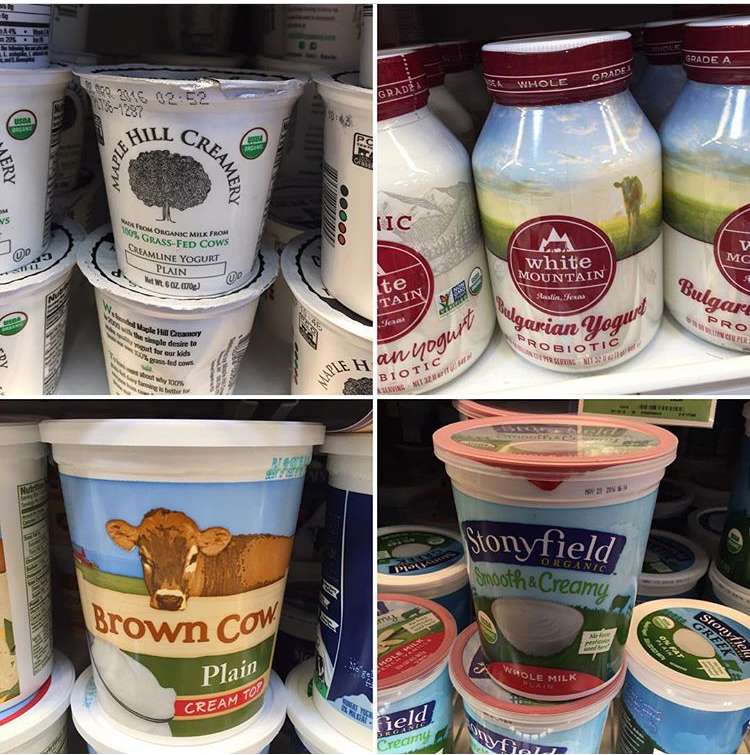
Yogurt from the store – look for WHOLE FAT grass-fed, organic, plain variety. There should be only a couple ingredients on the ingredient label including organic whole fat milk and “live and active” cultures. You may need to look in the large bulk containers to find one that fits this description. Avoid ones with added sugars (you can add your own fruit and honey for flavor later). Yogurt options will vary by location. However, some examples of store-bought yogurts I recommend would include Brown Cow, White Mountains, Stony Field Organic Greek, Stony Field Organic, Stony Field Organic 100% Grass-fed, Maple Hill Creamery, Green Mountain Creamery Greek, Mountain High (is decent – but not first choice). Note: all of these are in their plain, whole fat versions. If you’re looking for a dairy-free alternative, I like coyo coconut yogurt.

WHAT TO AVOID

– Added sugars (there’s many many names for sugar, so be aware!)
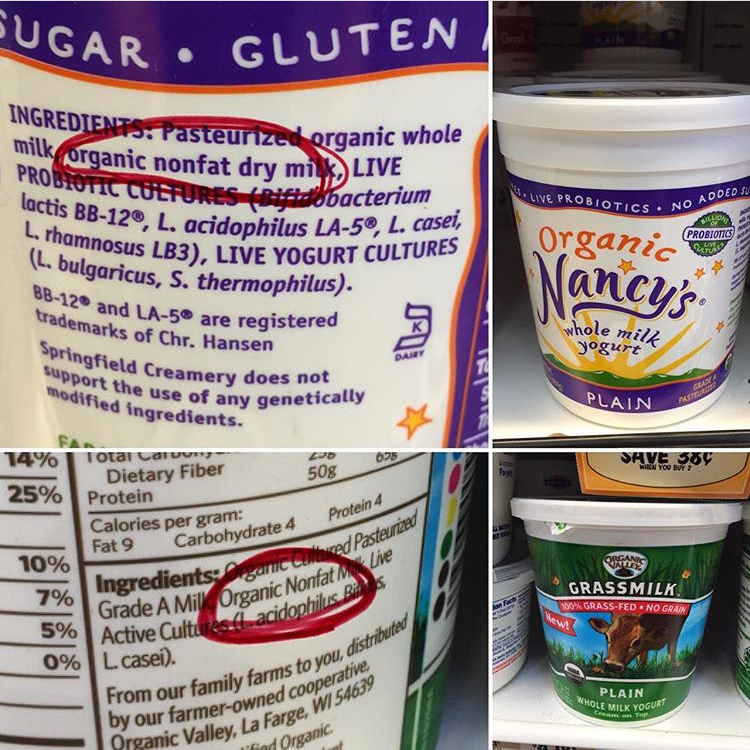
– non-fat milk
– non-fat dry milk
– added vitamins

Companies will add non-fat milk even to yogurts that are clearly labeled as “whole milk yogurt” on the front. It’s a pet peeve of mine — it’s deceptive marketing at it’s finest. So be alert.

My favorite snack using yogurt:

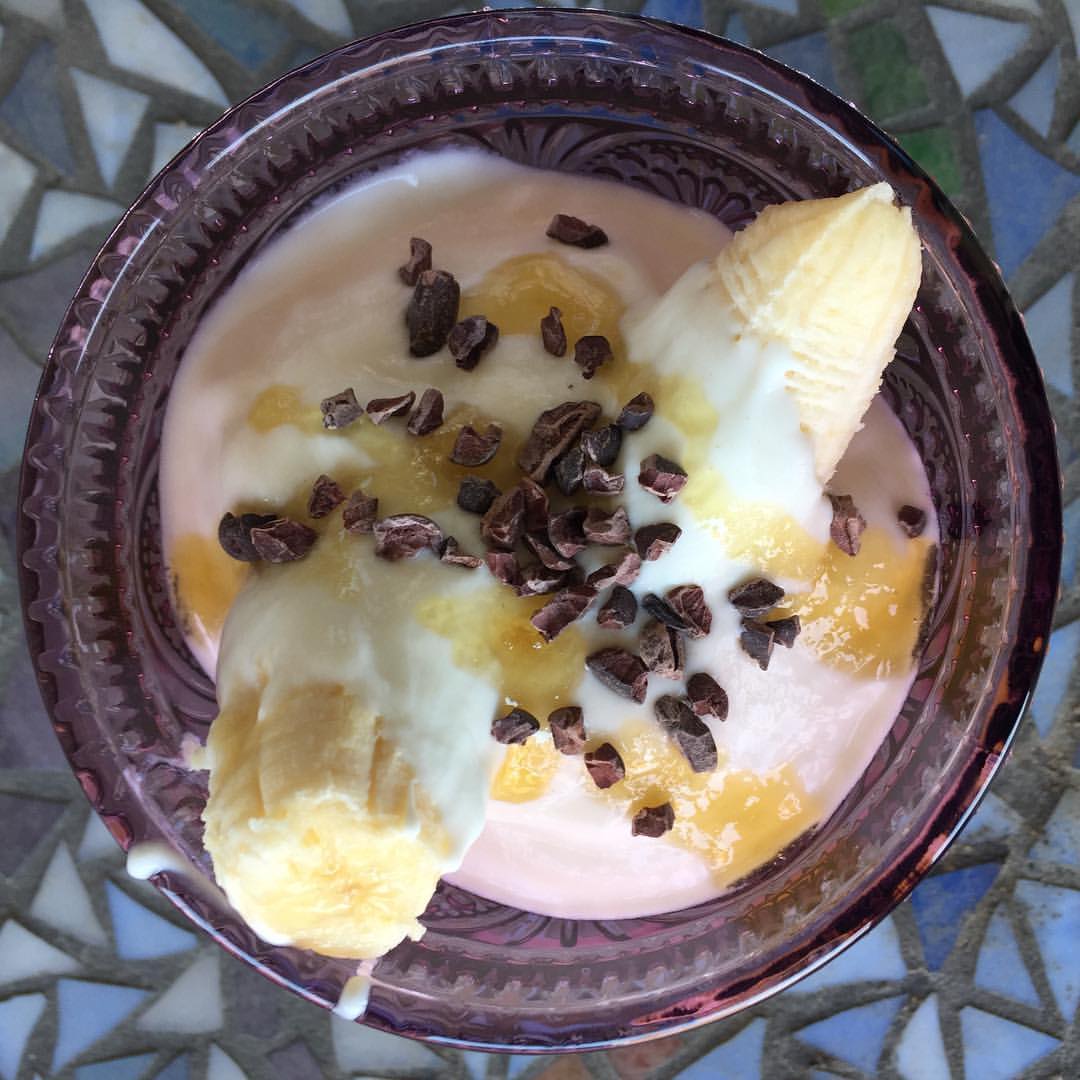
Banana Split 🍌

>banana
>whole fat plain yogurt
>drizzle of raw honey
>cacao nibs

What would you add to your banana split?