





Originally published 2021. Updated September 2026 with current research on bottled water, microplastics, and nanoplastics.
After learning more about what can be present in tap water, one of the most natural responses is:
“Fine. I’ll just drink bottled water.”
I understand why that feels like the safer option.
The bottle is sealed. The label may show a mountain spring or use words like pure, natural, or purified. It feels cleaner and more controlled than water coming from a municipal pipe.
But bottled water is not automatically the clean-water solution we tend to assume it is.
While bottled water manufacturers are required to follow standards for sanitation, source protection, testing, and allowable contaminant levels, regulation does not answer every question I have about drinking water.
Because with bottled water, we also have to consider the container itself.
And that is where the microplastics conversation becomes important.

The plastic bottle is part of the water-quality conversation
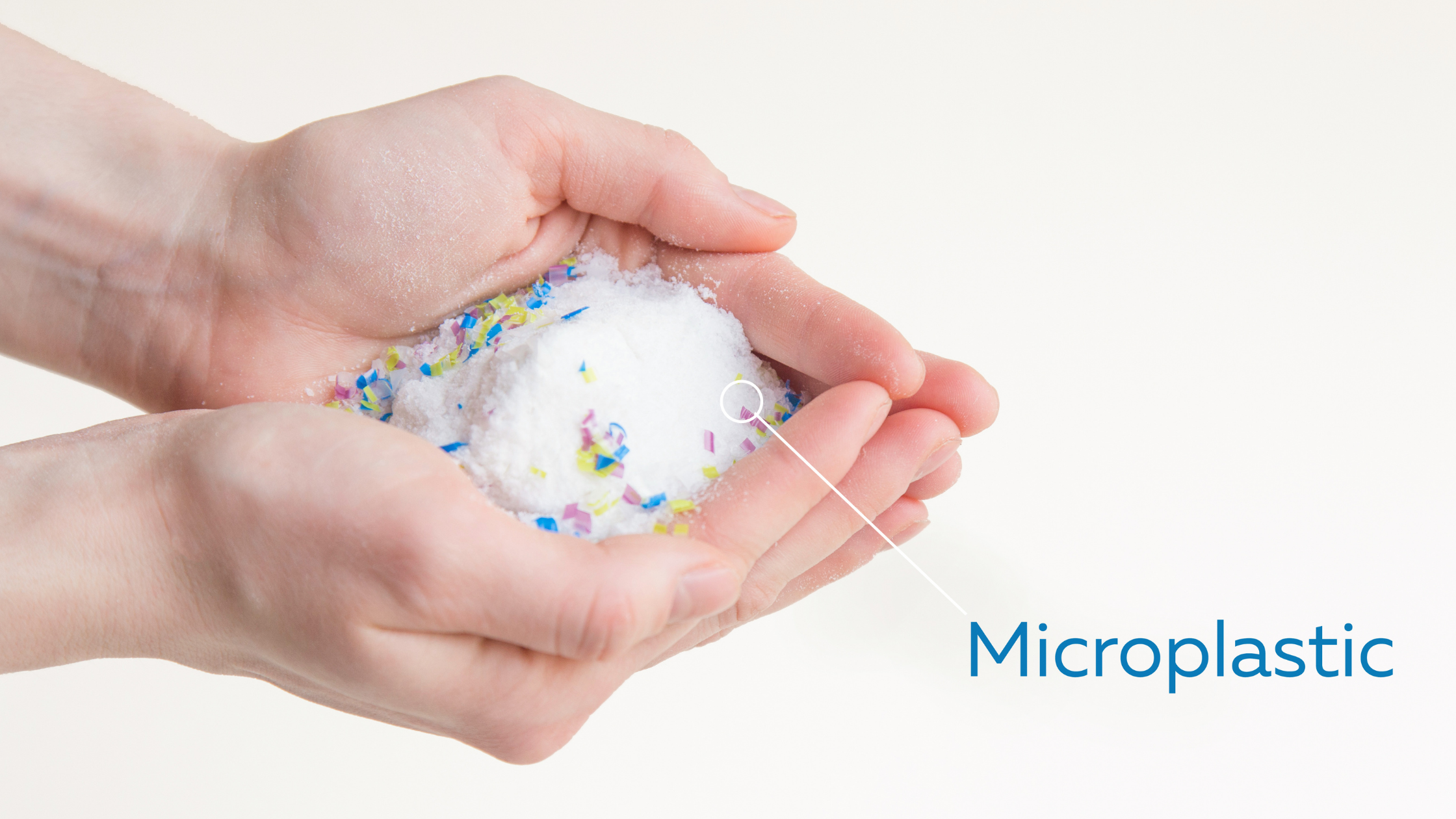
Most disposable water bottles are made from polyethylene terephthalate, commonly called PET. Plastic is durable precisely because it does not readily break down and disappear. Instead, over time it fragments into smaller and smaller pieces. Larger fragments eventually become microplastics, generally defined as plastic particles smaller than 5 millimeters, while even smaller particles are referred to as nanoplastics.
These particles are now being found throughout the environment, including oceans, rivers, soil, air, food, tap water, and bottled water. And as our technology becomes better at detecting them, we are realizing just how much may be there.
In 2024, researchers used a newer imaging technique to examine three popular bottled-water brands and found an average of approximately 240,000 detectable plastic particles in a single liter of bottled water. What was even more striking was the size of those particles: about 90% were nanoplastics, much smaller than the microplastics researchers had been able to measure well in earlier studies.
For years, the conversation around plastic bottles was mostly about chemicals that might leach out of the plastic. Now we also have to think about pieces of the plastic itself ending up in the water.
Where are all of these particles coming from?
Some of those particles appear to come from the bottle itself. PET, the plastic commonly used to manufacture disposable water bottles, was among the materials identified in the 2024 study.
Interestingly, though, the most commonly identified plastic was actually polyamide, a type of nylon that can be used in water purification and filtration systems. Researchers also detected other plastics, including PVC, polystyrene, and polymethyl methacrylate.
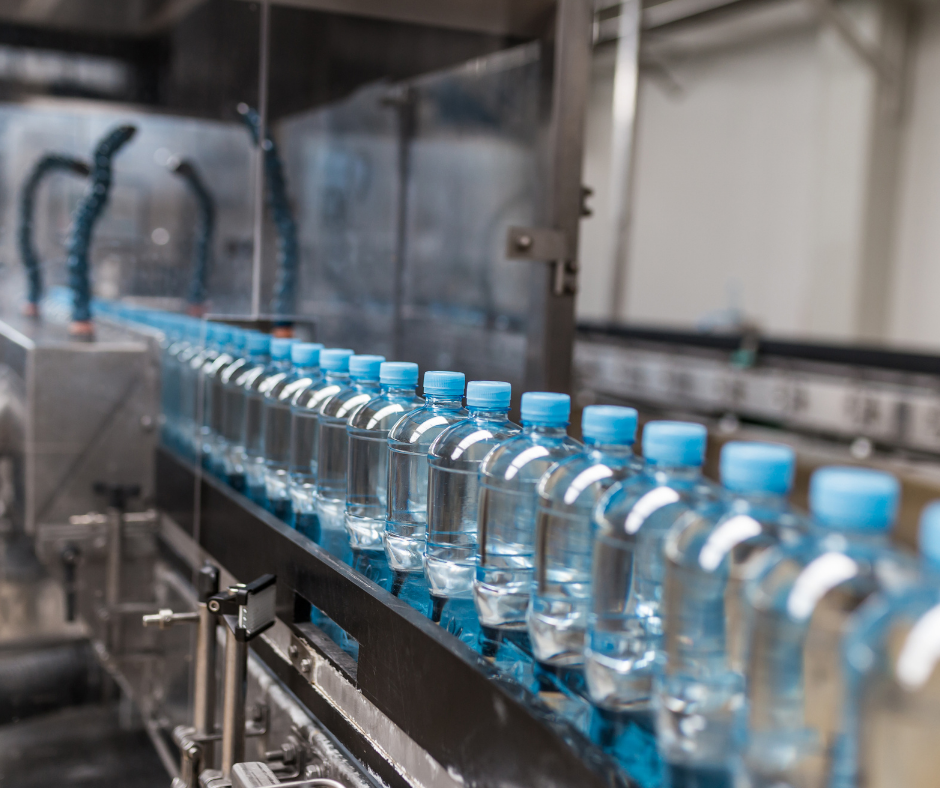
That is an important reminder that bottled water has an entire production process behind it. The source water matters. The filtration system matters. The bottling equipment matters. The plastic container matters. How the bottles are transported and stored matters.
A sealed bottle may look like a perfectly controlled environment, but that does not necessarily mean the water inside has been isolated from processing or packaging exposures.

Heat and storage matter too
This is another reason I do not love relying on single-use plastic bottles as a family’s primary drinking-water source.
Plastic packaging is not completely inert. Temperature, storage time, UV exposure, and physical stress can all influence the movement of chemicals or particles from packaging into food and beverages.
Think about what bottled water may go through before it reaches your kitchen. It may sit in a warehouse, ride in the back of a truck, spend time outside during loading and unloading, or sit in a hot garage or car after you bring it home.
And living in Texas, I especially think about heat. The inside of a parked car in the summer can become incredibly hot, and I personally do not want cases of plastic water bottles sitting in those conditions and then becoming my family’s everyday source of water.
That does not mean drinking one warm bottle of water from your car is going to make you sick. This is not about one isolated exposure. It is about what we choose repeatedly, day after day. When there are simple ways to reduce an exposure we encounter that often, I think it is worth doing.
Microplastics are not just staying in the digestive tract
When I originally wrote this article, one of the big questions was whether microplastics simply passed through the digestive system or whether they could actually enter the body.
We know much more now.
Microplastics and nanoplastics have been detected in human tissues and biological samples, and researchers are continuing to investigate how these particles may cross biological barriers and where they may accumulate.
One particularly interesting study published in the New England Journal of Medicine in 2024 looked at people undergoing surgery for carotid artery disease. Researchers detected polyethylene in carotid artery plaque from 58.4% of the patients studied, and some samples also contained PVC. During roughly three years of follow-up, the people whose plaque contained microplastics or nanoplastics experienced a higher rate of heart attack, stroke, or death than those whose plaque did not contain detectable plastic particles.
That study does not prove that microplastics caused those cardiovascular events. It was observational, and there are still important questions about things like measurement, contamination, and other factors that could have influenced the results.
But I do think it is significant that the conversation has shifted. We are no longer only asking, “Do these particles even get into us?” We are finding them in human tissues and beginning to ask a much bigger question: “What might they be doing once they are there?”
What do we actually know about the health effects?
Microplastics are widespread, and human exposure is clearly happening. But we still do not know exactly what long-term exposure means for human health.
The World Health Organization has identified several potential areas of concern, including the physical effects of the particles themselves, the chemicals associated with plastics, and microorganisms that may attach to plastic particles. Animal and laboratory studies have also raised questions about inflammation, oxidative stress, immune effects, and other biological changes.
Those studies matter, but they are not the same thing as proving that the amount of microplastics someone consumes from drinking water causes a specific disease in humans.
The FDA’s current position is that the available evidence does not yet demonstrate that the levels of microplastics and nanoplastics found in food or water pose a known human health risk. At the same time, these particles are being found in both bottled and tap water, and research is still evolving.
So where does that leave us?
For me, it comes back to the same principle we talked about in Part 1: if an exposure is unnecessary, repeated every day, and relatively easy to reduce, I do not need to wait for decades of definitive human data before deciding that I would rather minimize it.
That is very different from saying microplastics have been proven to cause a particular disease. It simply means I think it is reasonable to reduce an exposure when doing so is practical.

Bottled water is not necessarily cleaner than tap water
This is probably the most important point I want people to understand from this article.
The choice is not simply tap water equals contaminated and bottled water equals clean.
Bottled water has to meet FDA safety standards, and some bottled water goes through extensive treatment such as reverse osmosis or distillation. But bottled water still starts somewhere. Some products begin with municipal water and are treated before bottling, while others come from springs, wells, or underground aquifers.
Then that water is placed inside a plastic container.
So even if the water itself has been extensively purified, the packaging becomes another part of the equation. That is why I personally do not view disposable bottled water as the ideal long-term solution to concerns about tap water.
It can absolutely be useful when traveling, during emergencies, or when clean filtered water is not available. But for everyday use at home, I would rather filter our water appropriately and store it in glass or stainless steel whenever practical.
The environmental side is hard to ignore too
There is also a much larger environmental problem behind disposable bottled water.
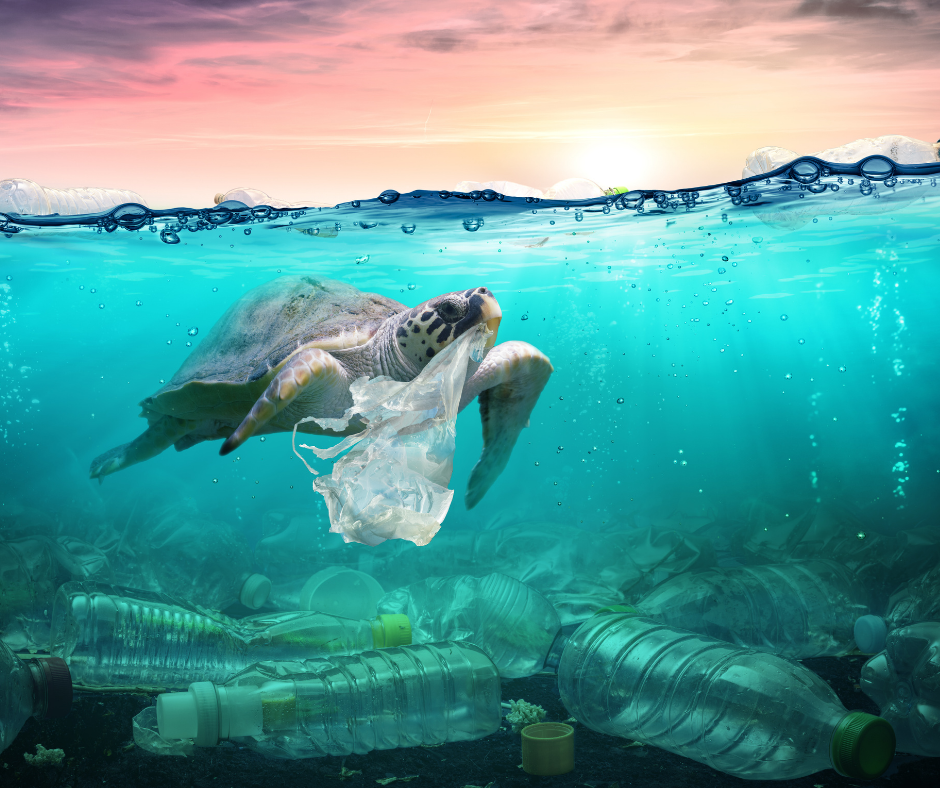
Producing plastic bottles requires fossil fuels and energy. Those bottles then have to be filled, packaged, transported, stored, purchased, and eventually thrown away or recycled. And despite recycling programs, enormous amounts of plastic still end up in landfills and the environment.
Over time, that plastic does exactly what we have been talking about throughout this article: it breaks into smaller and smaller pieces. Those particles enter soil and waterways, and eventually some of them make their way back into our food and water supply.
It becomes a cycle that is difficult to ignore, especially when better reusable options are available for everyday drinking water.

So should you never drink bottled water again?
No. That is not the takeaway.
There will absolutely be times when bottled water is the easiest or safest option. If I am traveling and the alternative is becoming dehydrated, I am going to drink the bottled water. During a water emergency or boil notice, bottled water may be incredibly important. If you are somewhere without access to trusted filtered water, use the best option you have.
This is not about perfection. It is about what we choose as our default.
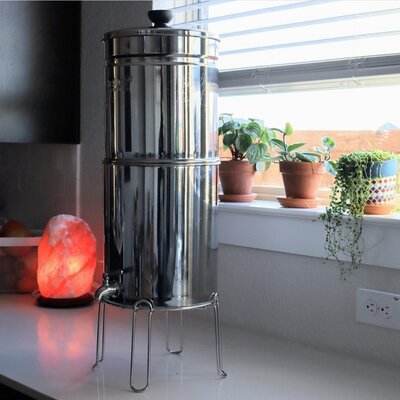
For everyday use, I prefer not to make single-use plastic bottled water our family’s primary drinking-water source when we have other options. I would rather understand what is in our tap water, use filtration that addresses the contaminants we are concerned about, and drink that water from glass or stainless steel.
So if tap water is not ideal and bottled water is not the perfect answer, what do we drink?
That brings us to Part 3.
Once you start looking at contaminants in tap water and then learn about microplastics in bottled water, it can feel like every option has a downside. But this is where the conversation becomes practical.
Water filtration gives us a way to take the water already coming into our homes and reduce many of the contaminants we would rather not consume. The key is knowing that not all water filters are created equal.
Some systems primarily improve taste and reduce chlorine. Others can remove lead, reduce fluoride, or address PFAS. Some are designed to remove a much broader range of contaminants than others.
In Part 3: Water Filtration at Home, we will look at the different filtration options, what they are designed to remove, and how to decide what makes the most sense for your family.
Because the goal is not to become afraid of water. The goal is to make the water you drink every day as clean as you reasonably can.
Continue the Clean Water Series
Part 1: How Clean Is Your Drinking Water? What to Know About Common Tap Water Contaminants
Start here if you want to understand chlorine byproducts, fluoride, lead, PFAS, plumbing, and why clear tap water is not necessarily contaminant free.
Part 2: A Look at Bottled Water and Microplastics
This article looks at why bottled water is not automatically the cleaner option, what researchers are finding about microplastics and nanoplastics, and why plastic packaging itself deserves attention.
Part 3: Water Filtration at Home
Part 3 brings everything together by looking at filtration options, what different systems remove, and how to choose the right approach for your home.