

Is a Homeschool Cruise Worth It? An Honest Family Guide
October 17, 2026
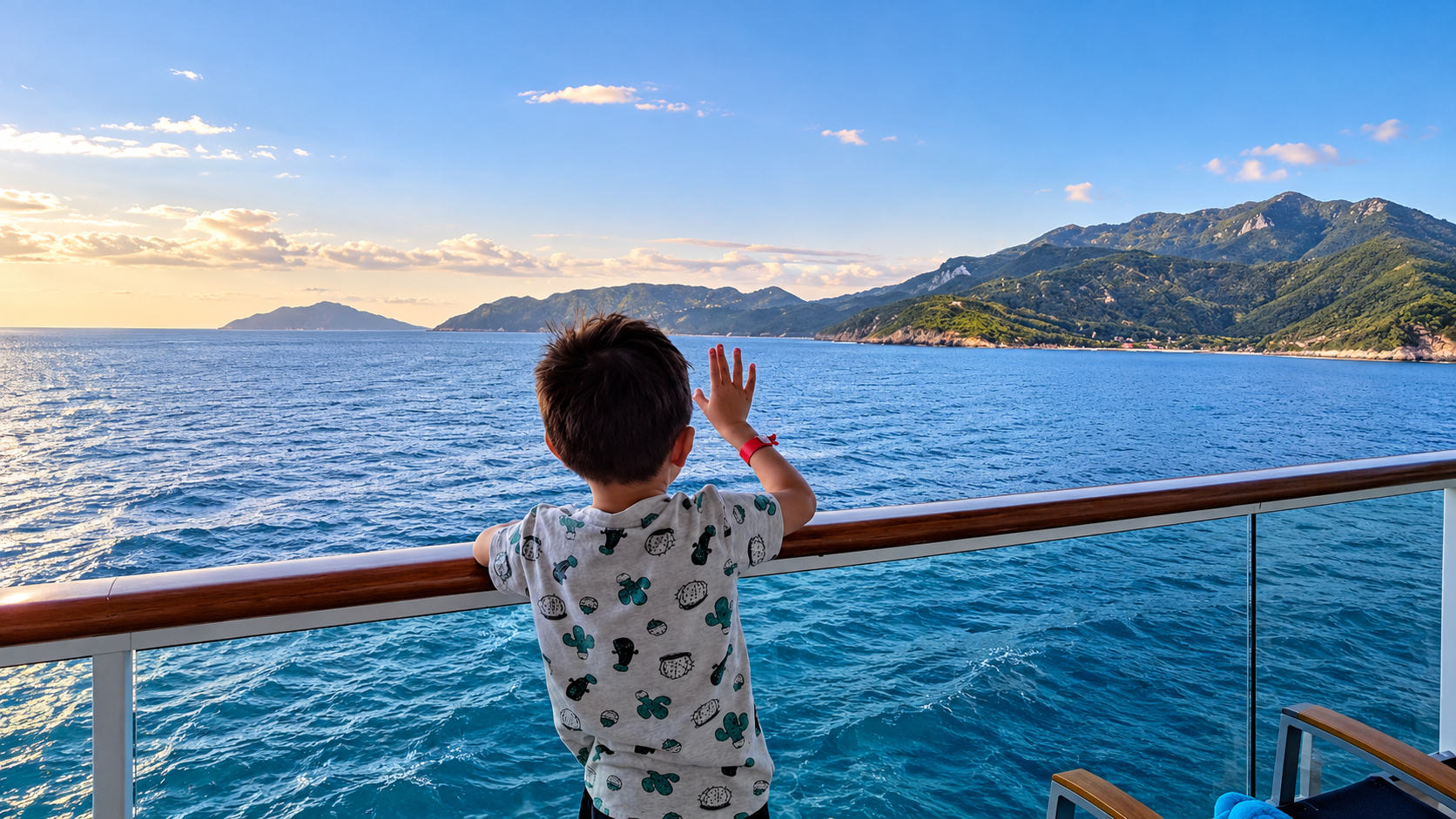
Have you ever planned a big family trip, gotten home, and realized the kids mostly remember the pool and the ice cream machine? It was fun. It just wasn’t what you hoped they’d carry home.
That’s usually the real question behind “is a homeschool cruise worth it?” Not “will we have fun,” but “will this actually mean something?” I asked myself the same thing before planning our first Growing Up Nourished Experience, Taste + Traditions: Mexico. So here’s my honest answer, including the parts that might mean it isn’t the right fit for your family this year.
What a homeschool cruise actually is
A homeschool cruise is a regular cruise with a learning plan built around it. The ship gets everyone there, feeds everyone, and gives you a home base. The learning comes from the places you visit and the people you meet, with a little guided time to connect the dots.
Homeschool cruises come in a lot of shapes, from large conference-style sailings to small family groups. Ours is a small group of families following one story through real places. Think of the ship as the school bus, not the classroom. The classroom is Mexico.
Taste + Traditions: Mexico at a glance
- Ship: Royal Caribbean, Liberty of the Seas
- Dates: April 26 to May 1, 2027 (5 nights)
- Departs: Galveston, Texas
- Ports: Costa Maya and Cozumel, Mexico, plus 2 sea days
- Group: about 10 to 12 families
- The story: cacao, maize, and the Melipona bee, tied together by Meli, a little bee searching for her purpose
For the day-by-day plan, read our family guide to the trip.
The honest pros: why it can be worth it
You unpack once. A cruise takes care of the parts of family travel that wear parents out: packing up every morning, figuring out the next meal, and driving between stops. Meals are handled, and you wake up somewhere new. That leaves your energy for the good stuff.
The learning lives in the places, not in a binder. Your kids won’t be doing school all week. Guided learning is about one hour on the first sea day, plus a closing session on the second sea day. The rest of the teaching happens at the ruins, at the fruit stand, and with their hands in the cacao.
It’s hands-on, not just look and listen. In Costa Maya, we explore Maya ruins with dedicated guides and stop to taste fresh tropical fruit. In Cozumel, at Tierra Maya, kids grind cacao the traditional way and make chocolate, press tortillas from maize, make fire-roasted salsa, meet Melipona stingless bees, taste their honey, and make a beeswax candle to take home.
There’s a story holding it all together. Kids remember stories. Meli’s story starts at home before we sail, builds through the week, and saves its ending for Cozumel. That’s the difference between “we saw some ruins” and “I know WHY that little bee matters.”
The group is small on purpose. With about 10 to 12 families, your kids aren’t lost in a crowd. They make friends, parents get to know each other, and it feels like traveling with people you know.
Someone else handles the travel details. Our travel coordinator, Alicia Mitchell of Dreaming About Vacations, books every cabin and arranges our private group excursions. I focus on the learning. You get to focus on your family.
The honest cons: when it might not be worth it
I’d rather you hear these from me now than discover them on the ship.
It’s a real investment. Cabins start at $1,147 per room for an Interior cabin (double occupancy), and the $199 per family Experience fee is on top of that. Add airfare or the drive to Galveston, port parking, excursions, and gratuities, and it adds up. If it would stretch your family past comfortable, it’s okay to wait for a future trip.
Port days give you a taste, not the whole meal. A cruise visits each port for part of a day. We arrive in Costa Maya around noon, so that day stays focused on the ruins and the fruit stop. If your dream is slow travel in one village for weeks, a cruise won’t give you that kind of depth.
It falls during the school year. For homeschool families, that’s part of the appeal, because the trip can be your school week. If your kids attend a traditional school, check what a few missed days would mean for them.
Cruising isn’t every family’s style. Some kids (and grown-ups) feel the motion of the ship, and a big ship can feel busy. If your family recharges best somewhere quiet and slow, be honest with yourself about that. The good news? I’ll be offering land trips in the future too, so if cruising isn’t your thing, there will be another way to join us.
It takes some planning ahead. Every traveler needs a valid passport. Our group rates and cabins are held until December 25, 2026. After that, prices and availability are based on the ship’s current pricing and availability, so it helps to start the conversation early.
What it really costs
| Item | Details |
|---|---|
| Cabin (per room, double occupancy) | Interior from $1,147, Ocean View from $1,363, Balcony from $1,687 |
| Experience fee | $199 per family, paid to me before your cruise deposit |
| Included in the cruise fare | Your cabin, most onboard meals, port fees and taxes |
| Not included | Airfare, port parking, travel insurance, group shore excursions, specialty dining, drink packages, Wi-Fi, gratuities |
These group rates and our reserved cabins are held until December 25, 2026. After that date, prices and availability are based on the ship’s current pricing and availability. More people in a cabin changes the price, and additional family promotions are available for cabins accommodating three, four, or five guests. Alicia will send your family a current quote.
The Experience fee covers the Growing Up Nourished learning experience, pre-trip resources, and our community and onboard meetups.
A family cruise on your own vs. a Growing Up Nourished Experience
A family cruise on your own is a beautiful week together, and there’s nothing wrong with that. Here’s what the Experience adds.
| Family cruise on your own | Taste + Traditions: Mexico | |
|---|---|---|
| Before you go | You plan it | Pre-trip story and lessons for your kids |
| Port days | You choose and book | Private group excursions built around the story |
| Learning | Whatever you bring | About an hour of guided learning on the first sea day, plus a closing session |
| Community | Your family | About 10 to 12 families learning together |
| Cost | Cruise fare | Cruise fare plus $199 per family |

So, is it worth it for your family?
It’s probably a great fit if:
- You want your kids to see it, taste it, make it, explore it, and meet the people behind it
- You’d love traveling with a small group of families
- You want learning built into the trip without turning vacation into school
- You’d love faith woven gently through the week
It might be better to wait if:
- The cost would stretch your family too far right now
- Your family travels best slowly, in one place
- A ship and passports feel like too much for this season
There’s no wrong answer here. Waiting for the right season is a good decision too.
How to join
- Join the interest list on the Taste + Traditions: Mexico page.
- I’ll connect your family with Alicia for a current cabin quote.
- Alicia places a hold on your cabin.
- You pay the $199 Experience fee to me.
- You pay your cruise deposit to Alicia.
Your family needs both pieces, the Experience fee and a cabin booked through Alicia, to join the group activities.
Frequently asked questions
Do we have to homeschool to join?
No. Any family is welcome. We talk most about homeschool families because the trip falls during the school year.
What ages is it for?
Kids of any age, and grandparents are welcome too. It’s designed for families learning together, with different depths for different ages.
Will my kids be doing school the whole trip?
No. Guided learning is about one hour on the first sea day plus a closing session on the second. The places do most of the teaching.
Can we book the cruise on our own and still join?
To join the group activities, your family books your cabin through Alicia and pays the Experience fee. Families who book the cruise on their own can’t join the group activities.
Do we need passports?
Yes. Every traveler needs a valid passport.
Is it a Christian trip?
Faith is woven into Meli’s story and our time together, and families of every background are welcome.

The honest bottom line
A homeschool cruise is worth it when your kids come home with something besides souvenirs. For us, that’s the taste of honey from a bee most people have never heard of, the feel of cacao under their hands, and a story about purpose they’ll keep thinking about long after we dock.
I can’t promise calm seas or that nobody will lose a flip-flop… but I can promise we’ve built this week so the learning sticks because they lived it.
If that sounds like your family, visit the Taste + Traditions: Mexico page and join the interest list. What would make a trip like this worth it for your family? I’d love to hear. Send me a note at my contact form.
With love,
Amy Gonzalez, RD, FNTP


